2026 Top Screw Type Compressor Innovations and Trends to Watch?
As industries evolve, so do the technologies driving them. In the air compression sector, Screw Type Compressors stand out due to their efficiency and reliability. A recent report from MarketsandMarkets indicates that the global screw compressor market is projected to reach USD 15.8 billion by 2026, growing at a CAGR of 4.5%. This growth reflects increasing demand for energy-efficient solutions across various sectors.
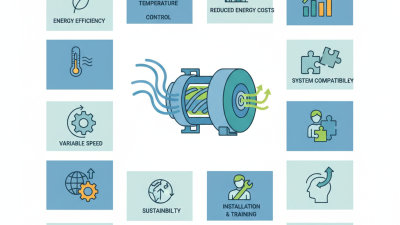
Innovations in Screw Type Compressors are focusing on enhanced energy efficiency and reduced noise levels. Reports from the International Compressor Manufacturers Association show that modern compressors can save up to 20% more energy compared to their predecessors. However, challenges remain in terms of maintaining optimal performance and minimizing operational costs. As manufacturers push the boundaries of technology, it’s essential to evaluate whether these innovations truly meet industry needs.
The future of Screw Type Compressors also hinges on automation and smart technology. Industry experts suggest integrating IoT capabilities will enhance predictive maintenance and operational oversight. Nonetheless, the transition to smarter systems requires addressing workforce training and system compatibility. Assessing these developments will be crucial as we move toward 2026.

Emerging Technologies in Screw Type Compressors for 2026
The landscape of screw type compressors is rapidly evolving. In 2026, we anticipate a surge in innovative technologies that enhance performance and energy efficiency. New materials are being explored, pushing traditional boundaries. Lightweight alloys and advanced composites improve durability while reducing weight.
IoT integration is another emerging trend. Smart screw compressors will monitor performance in real-time. Data analytics can lead to predictive maintenance. Companies can avoid downtime and improve efficiency. However, understanding this technology can be a challenge for some users.
Furthermore, emissions reduction is crucial. Future compressors must meet stricter environmental standards. Innovations in design will lead to quieter, more efficient operations. As manufacturers strive for sustainability, the industry may need to rethink some existing practices. Balancing performance and environmental responsibility will require careful consideration.
Efficiency Improvements in Compressor Designs and Materials
The landscape of screw type compressors is evolving rapidly. Innovations in design and materials are driving efficiency improvements. Modern compressors are becoming lighter yet stronger, utilizing advanced alloys and composites. These materials enhance durability while reducing energy consumption. It is crucial for manufacturers to balance strength and weight effectively.
Recent trends show that noise reduction is a priority too. Designs are now focusing on minimizing vibrations. This involves not just structural changes, but also the integration of sound-absorbing materials. Challenges remain, such as maintaining efficiency while reducing noise levels. Engineers often face trade-offs that require careful consideration of both performance and user comfort.
Continuous advancements are expected as industries push for greener solutions. This aligns with global sustainability goals. However, achieving maximum efficiency with minimum environmental impact is complex. Many innovations still need real-world testing to prove their effectiveness. Future trends will likely depend on collaboration among engineers and researchers. This cooperative spirit is necessary to tackle ongoing challenges and refine designs.
2026 Top Screw Type Compressor Innovations and Trends to Watch
| Innovation/Trend |
Description |
Expected Impact |
Year of Adoption |
| Advanced Material Use |
Introducing lightweight, durable materials that enhance performance. |
Increased efficiency and reduced energy consumption. |
2026 |
| Smart Compressor Technology |
Integration of IoT and AI for predictive maintenance. |
Reduction in downtime and maintenance costs. |
2025 |
| Variable Speed Drives (VSD) |
Usage of VSD to optimize motor speed according to demand. |
Significant energy savings and lower operational costs. |
2026 |
| Enhanced Cooling Systems |
Innovative designs to improve thermal management and cooling efficiency. |
Better performance at higher ambient temperatures. |
2026 |
| Environmentally Friendly Refrigerants |
Transition to low-GWP (Global Warming Potential) refrigerants. |
Reduced environmental impact and compliance with regulations. |
2025 |
Integration of Smart Technologies in Compressor Systems
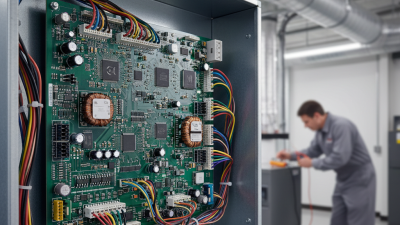
The integration of smart technologies in screw-type compressor systems is revolutionizing the industry. Modern compressors now feature advanced sensors and IoT connectivity. These improvements enable real-time monitoring of performance metrics. Operators can track energy consumption and operational efficiency easily.
Data analytics plays a crucial role in these systems. By analyzing historical performance, compressors can optimize their operations. This also helps in predicting maintenance needs before breakdowns occur. However, not all companies have access to these technologies. Smaller operators often find implementation challenging. They may struggle to maximize the benefits of smart systems.
The reliability of data collected is also a concern. Poor sensor performance can lead to inaccurate readings. This can result in unplanned downtime and increased costs. Ensuring the integrity of these sensors is vital for the system's overall efficacy. Organizations must invest in training and resources to realize the full potential of smart compressor technologies.
2026 Innovations and Trends in Screw Type Compressors
Market Analysis of Screw Type Compressors: Demand and Growth Forecasts
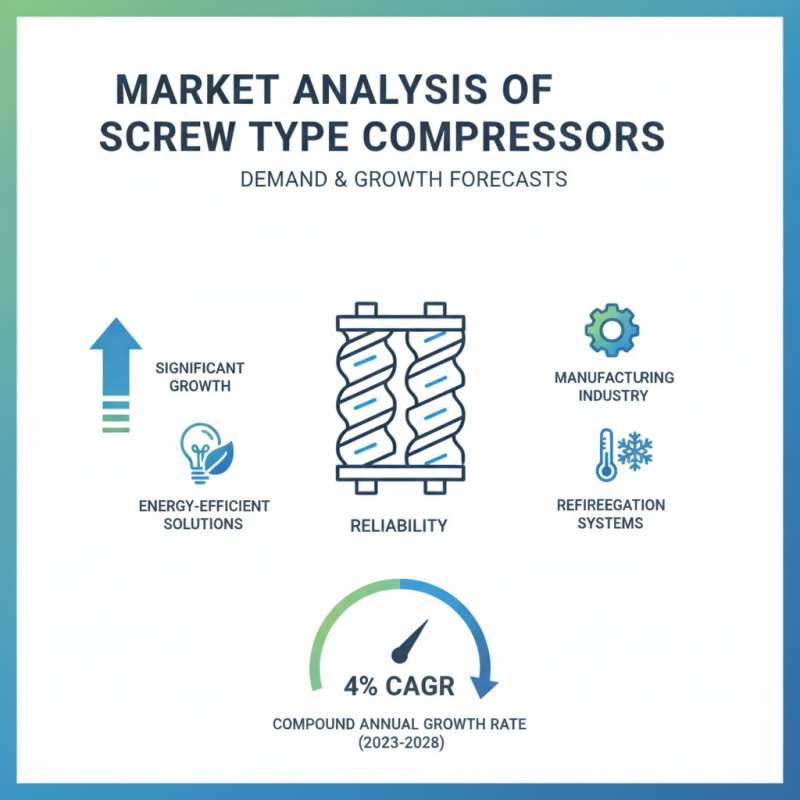
The screw type compressor market is witnessing significant growth. Increasing demand for energy-efficient solutions drives innovation. Industries like manufacturing and refrigeration adopt these systems for their reliability. The market expects a compound annual growth rate of around 4% over the next few years.
Emerging trends include advancements in technology. Notably, variable speed drives enhance efficiency. This innovation allows compressors to adapt to varying load conditions. However, challenges remain in maintaining optimal performance. Users must prioritize proper maintenance routines to ensure longevity.
Additionally, sustainability plays a crucial role in shaping market dynamics. As regulations tighten, eco-friendly refrigerants are gaining traction. This shift requires manufacturers to innovate while adhering to environmental standards. Overall, the future of screw type compressors looks promising, but stakeholders must be mindful of emerging hurdles.