How to Choose the Right Air Conditioning Compressor for Your Home?
Choosing the right Air Conditioning Compressor is crucial for optimal home cooling. An efficient compressor can enhance your system’s performance. It directly impacts your energy bills and comfort levels.
When selecting a compressor, consider your home’s size and layout. A properly sized compressor ensures effective temperature control. An oversized unit can lead to short cycling, wasting energy and increasing wear and tear. Conversely, an undersized compressor may struggle to cool the space adequately.
In addition to sizing, brand reputation matters. Research reputable manufacturers known for reliability and durability. Read reviews to gauge user experiences. Often, homeowners overlook warranty options, which can provide peace of mind. The right Air Conditioning Compressor is more than just a part; it ensures comfort during hot months and contributes to long-term savings.
Understanding the Importance of an Air Conditioning Compressor in HVAC Systems
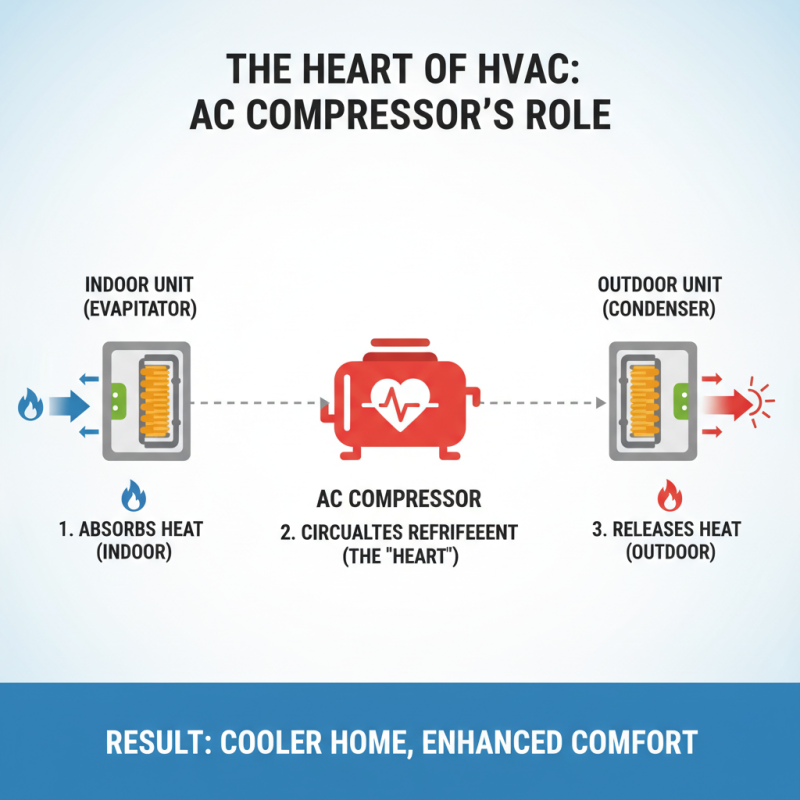
The air conditioning compressor is a vital component in HVAC systems. It acts as the heart of the cooling system, responsible for circulating refrigerant. This process absorbs heat from inside your home and releases it outside. Understanding this mechanism is crucial for any homeowner looking to enhance comfort.
Selecting the right compressor can significantly affect energy efficiency. A poorly chosen unit may lead to increased bills and inconsistent cooling. It's important to consider factors like size, efficiency ratings, and the specific cooling needs of your space. Many people overlook these details, leading to expensive mistakes.
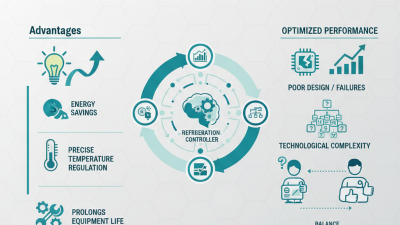
Installation also matters. An improperly installed compressor can lead to premature failure. Regular maintenance is essential for longevity. Neglecting this can result in costly repairs or replacements. Balancing performance and reliability is key to achieving the best indoor climate.
Key Factors to Consider in Choosing a Compressor for Your Home
When selecting an air conditioning compressor, several key factors need consideration. One of the most important is the size of your home. A larger space requires a compressor with a higher capacity. Conversely, a smaller home needs a unit with less power. Over-sizing or under-sizing can lead to inefficient cooling.
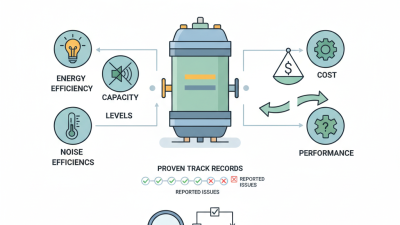
Another essential factor is energy efficiency. Look for compressors that are labeled with a high energy efficiency ratio (EER). A more efficient model not only cools your home better but also saves on energy bills. It's also crucial to consider the noise level. A quieter unit may cost a bit more but can significantly enhance comfort.
Tips: Evaluate your home’s insulation. Poor insulation can impact cooling effectiveness. A professional assessment can help identify how much cooling capacity you actually need. Consider the warranty and support from manufacturers. A well-supported product indicates reliability and can save you from future headaches. Overall, careful evaluation of these factors ensures you choose the best compressor for your needs.
How to Choose the Right Air Conditioning Compressor for Your Home?
Types of Air Conditioning Compressors and Their Applications in Residential Settings
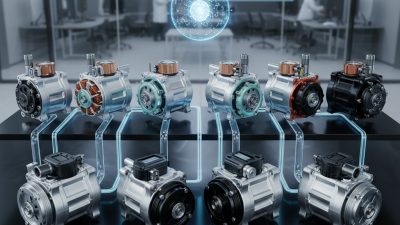
Choosing the right air conditioning compressor is crucial for maintaining comfort in your home. Different types of compressors serve various purposes in residential settings. The most common options include reciprocating compressors, scroll compressors, and rotary compressors. Each has its own benefits and drawbacks, impacting energy efficiency and noise levels.
Reciprocating compressors are often used in older systems. They are reliable but can be noisy. On the other hand, scroll compressors are quieter and more energy-efficient, making them popular for modern units. They also tend to require less maintenance. Rotary compressors, although less common, are compact and can effectively cool smaller spaces, yet they might not be suitable for larger homes.
When selecting a compressor, consider your home's size, climate, and energy needs. Don't forget to contemplate maintenance needs. Improper installation can lead to frequent repairs. Reflect on these factors to make an informed decision. A compressor that suits your requirements will enhance comfort and prolong the lifecycle of your air conditioning system.
Evaluating the Size and Efficiency Ratings for Optimal Cooling Performance
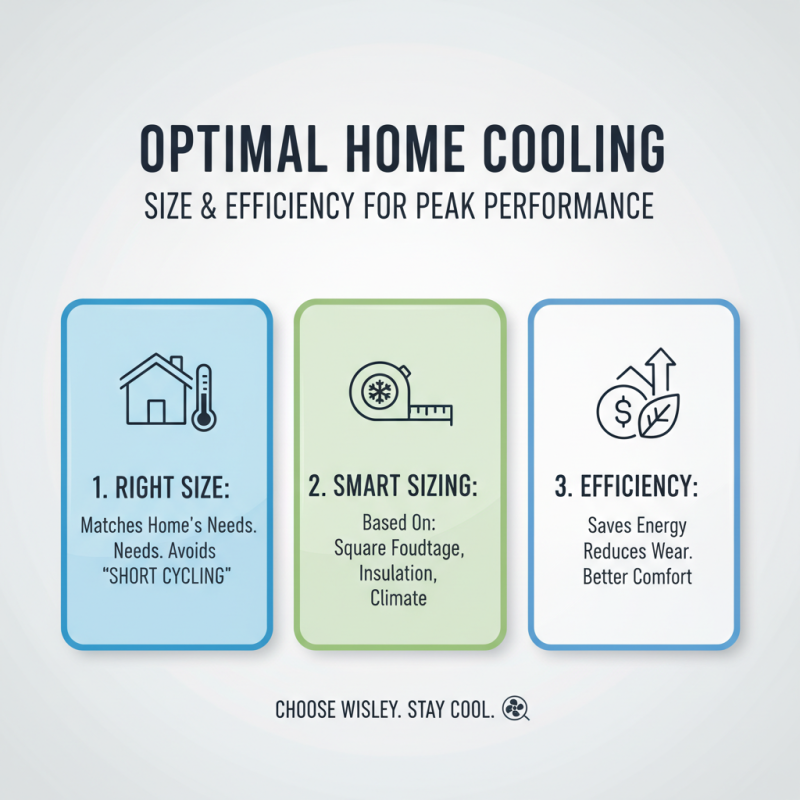
Choosing the right air conditioning compressor can significantly impact your home's cooling performance. The size of the compressor is crucial. It must match your home’s cooling load. An oversized unit can lead to short cycling. This causes wear and tear on the system. A unit that is too small will struggle to cool your space effectively. Accurate sizing is often based on square footage, insulation quality, and local climate conditions.
Efficiency ratings are another important factor. Look for a compressor with a high Seasonal Energy Efficiency Ratio (SEER) rating. This rating indicates how efficiently the system will operate over a season. Higher SEER ratings mean lower energy bills and better cooling performance. Additionally, consider models with variable speed technology. These models adjust their cooling output, enhancing comfort and efficiency.
Selecting the right compressor isn't always straightforward. Mistakes can happen, such as underestimating your cooling needs. Always evaluate your home accurately. Consulting with a professional can offer valuable insights. Their expertise can guide you toward a solution that minimizes energy usage while maximizing cooling satisfaction. Reflect on your choices carefully for a more effective air conditioning system.
Maintenance Tips for Extending the Lifespan of Your Air Conditioning Compressor
Air conditioning compressors play a vital role in keeping your home comfortable. Proper maintenance is crucial for extending their lifespan. One basic yet effective step is to regularly check and replace the air filter. A clogged filter forces the compressor to work harder. This extra strain can lead to premature failure. Aim to replace the filter every one to three months.
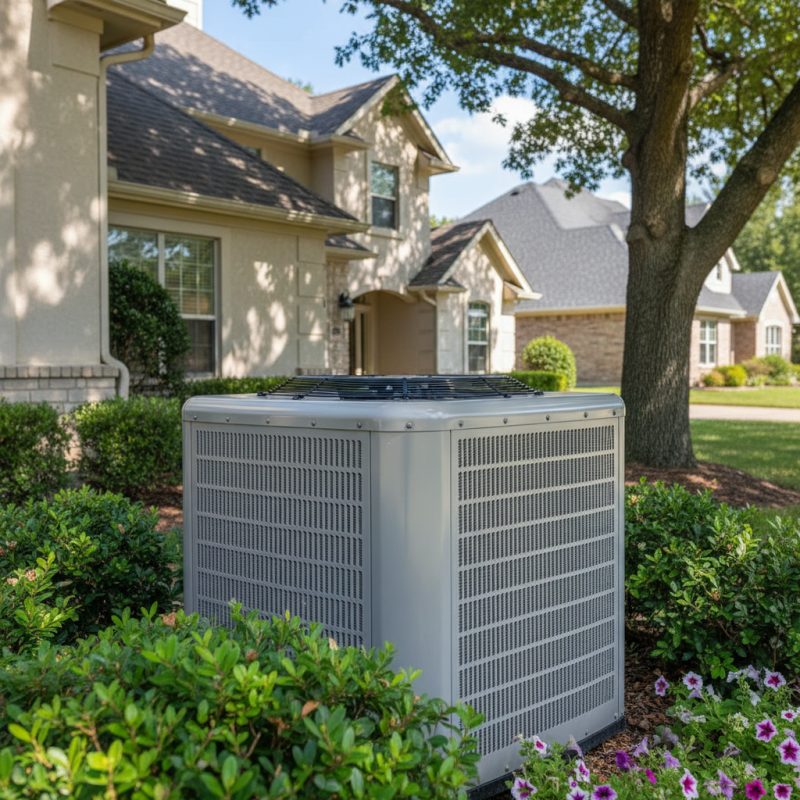
Cleaning the outdoor unit is another important task. Dirt and debris accumulate over time, reducing efficiency. Use a soft brush to gently remove dust from the fins. Also, ensure that there’s at least two feet of clearance around the unit. This promotes good airflow, allowing it to function better.
Listening to unusual sounds is key. If you hear grinding or rattling noises, it may indicate a problem. Ignoring these signs can lead to costly repairs. Keeping an eye on the unit's performance can prevent bigger issues. Regular professional check-ups can also help identify potential problems early.