What is a Hanbell Compressor and How Does it Work?
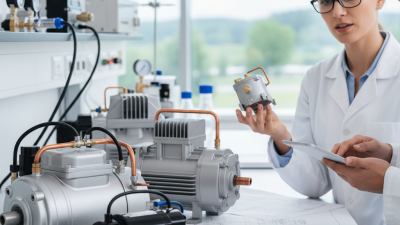
The Hanbell Compressor is a significant innovation in the world of refrigeration and air conditioning. Known for its reliability and efficiency, this compressor plays a crucial role in various industrial applications. By utilizing a unique design and advanced technology, it compresses refrigerants effectively, ensuring optimal performance in cooling systems.
Understanding how a Hanbell Compressor operates is essential for engineers and technicians alike. It combines a strong motor with a rotating mechanism that generates high pressure. This process compresses the refrigerant gas, allowing it to release heat and cool air in a controlled manner. The design ensures a balance of power and energy efficiency.
Despite its advantages, users must remain vigilant about potential issues. Regular maintenance is necessary to prevent wear and tear. A lack of care can lead to inefficiencies or breakdowns. Additionally, understanding the operational limits of a Hanbell Compressor can help avert costly repairs. Engaging with knowledgeable technicians can further enhance its life cycle and productivity.
What is a Hanbell Compressor?
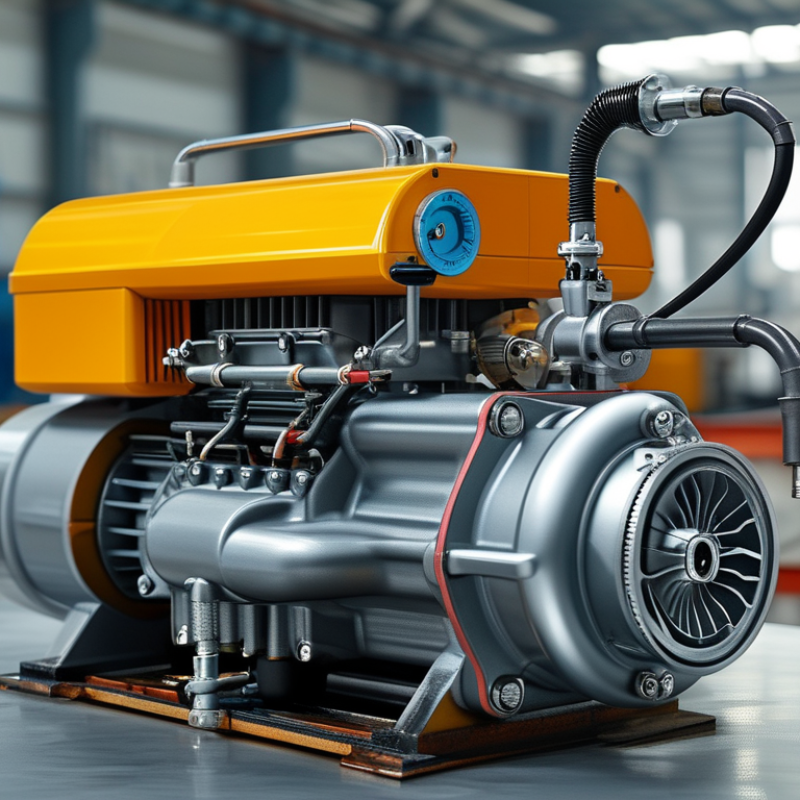
A Hanbell compressor is a type of rotary screw compressor. These devices are widely used in various industries for their efficiency and reliability. They utilize a unique mechanism to compress air or gas. The process involves two rotors that rotate in opposite directions. This rotation creates a vacuum that draws in the air.
One of the key features of Hanbell compressors is their ability to maintain constant pressure. This characteristic makes them suitable for applications that require steady performance. They are often chosen for larger systems where energy efficiency is critical. Operators appreciate their quiet operation and minimal vibration.
Despite their advantages, potential users should note that regular maintenance is essential. Neglecting upkeep can lead to efficiency losses. Understanding the compressor’s operation is helpful for users. They should consider the right sizing for their needs. A poorly sized compressor may lead to wasted energy and increased costs. Users can optimize performance by regularly monitoring system parameters.
Key Features of Hanbell Compressors
Hanbell compressors are known for their efficiency and advanced design. Key features of these compressors set them apart in the industry.
One highlight is their unique screw mechanism. This technology enhances performance and reduces energy consumption. Users often find them reliable for various applications.
Another significant feature is the compact design. Their smaller footprint allows for easy installation in tight spaces. This is particularly beneficial in urban settings where space is limited.
Additionally, Hanbell compressors often include smart control systems. These systems optimize performance and monitor efficiency in real-time.
Maintenance is essential for any compressor. Despite their robustness, these units require regular checks. Users should not overlook wear and tear on components.
Proper maintenance prolongs lifespan and maintains efficiency. The balance between advanced features and standard upkeep can be challenging. Thus, understanding both is crucial for optimal operation.
Operating Principles of Hanbell Compressors
Hanbell compressors are widely recognized in the industrial sector for their efficiency and reliability. These machines operate based on a unique mechanism that significantly influences their performance. Primarily, the operating principle revolves around positive displacement. The compression process involves drawing in refrigerant gas, reducing its volume, and subsequently delivering it at a higher pressure. This ensures optimal circulation in HVAC systems, making them essential for climate control in various applications.
Data from the International Institute of Refrigeration indicates that systems employing positive displacement compressors can achieve efficiency rates exceeding 90%. This phenomenal efficiency can lead to substantial energy savings, with statistics showing a decrease in energy consumption by up to 30% when using advanced compressor technologies. However, potential drawbacks exist, such as maintenance demands and initial costs. In practice, many operators report underestimating the upkeep required for optimal performance.
Furthermore, the versatility of Hanbell compressors can lead to some confusion regarding their application. While they are lauded for robustness and adaptability, misapplication can result in inefficiencies. It's crucial for users to be well-informed about their specific needs to avoid operational pitfalls. Considering these factors can greatly influence the overall effectiveness and longevity of the compressor in various industrial environments.
Overview of Hanbell Compressor Specifications
| Specification |
Details |
| Type |
Scroll Compressor |
| Cooling Capacity |
5 - 100 HP |
| Refrigerant Type |
R22, R134A, R410A |
| Efficiency Rating |
Up to 90% |
| Noise Level |
60 - 75 dB |
| Application Areas |
HVAC, Refrigeration, Industrial Processing |
| Maintenance Interval |
Every 6 months |
| Weight |
150 - 500 lbs |
Applications of Hanbell Compressors in Various Industries
Hanbell compressors play a crucial role across many industries. These machines efficiently compress gases, making them ideal for refrigeration and HVAC applications. In food processing, they help maintain temperature controls, ensuring safety and quality. Their compact design allows for easy integration into existing systems.
In chemical engineering, Hanbell compressors are valued for their reliability. They handle various gases, providing consistent performance. This adaptability makes them essential in processes like gas recovery and waste management. Even in manufacturing, they contribute to efficient production cycles.
Challenges exist, too. Maintenance can sometimes be overlooked, leading to inefficiencies. Users may not always recognize the signs that a compressor requires servicing. Regular check-ups are necessary for optimal function. Understanding these machines and their applications deepens industry professionals' expertise, benefiting their operations.
Maintenance Tips for Hanbell Compressors
Regular maintenance is crucial for ensuring optimal performance of Hanbell compressors. Neglecting maintenance can lead to reduced efficiency and unexpected breakdowns. According to industry reports, equipment that undergoes regular checks experiences a 25% lower rate of failures. Routine checks should include cleaning filters, checking oil levels, and inspecting for leaks. Each of these tasks can significantly extend the operational lifespan of the compressor.
Another vital aspect is monitoring temperature and pressure levels. Inconsistent levels may indicate underlying issues that require immediate attention. Regular monitoring can help detect problems early. Studies show that proactive maintenance can increase efficiency by up to 15%. Keeping a log of maintenance activities and performance metrics can also help identify trends. When inconsistencies appear, it's essential to evaluate the system's overall health.
Training staff on proper operational procedures is equally important. Workers often overlook small tasks, assuming they aren't critical. However, neglecting these details can lead to more significant issues later. Regular training sessions can reinforce the importance of maintenance. Industry statistics reveal that companies investing in employee training see a notable improvement in machine performance. Taking these steps fosters not only reliability but also efficiency in operations.