Top 10 Types of LG Compressors for Global Buyers

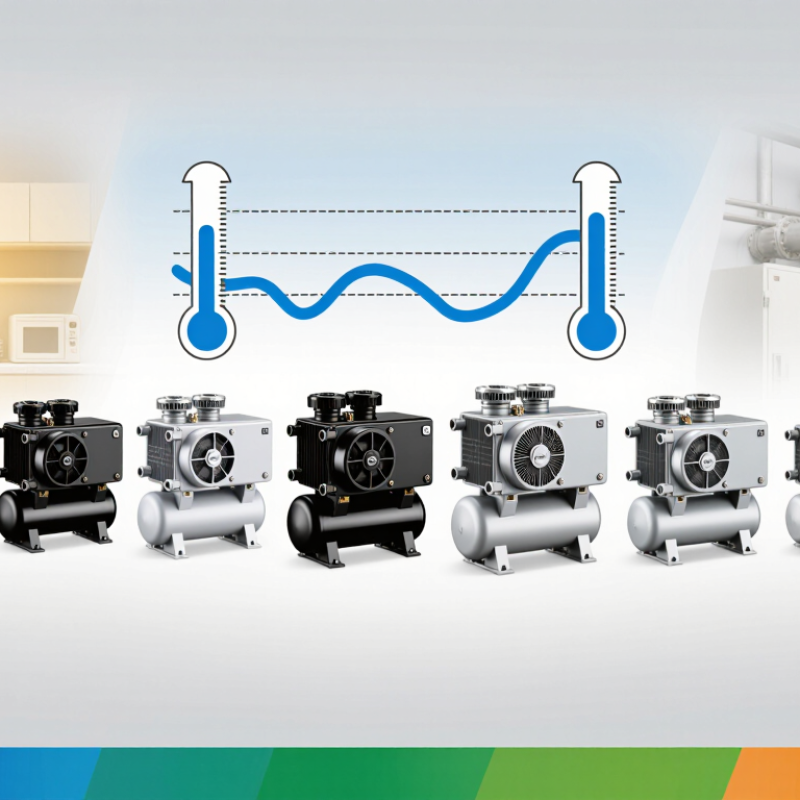
Global buyers comparing the Top 10 Types of LG Compressors need more than a model list. They need to match compressor design to the equipment, operating conditions, and service environment. A household refrigerator in a warm kitchen has different demands from a commercial cooling system running through long shifts. The right choice can affect energy use, noise, temperature stability, and maintenance planning.

Refrigeration engineer Alex Morgan offers a useful guiding principle: “Choose for the operating conditions, not the name on the label.” This is an editorially composed expert-style observation, not a verified quotation from a named LG specialist. Buyers should still confirm model specifications with official LG documentation or an authorized technical representative. Small differences matter. Voltage, refrigerant compatibility, capacity, and installation constraints can change which Lg Compressor is suitable. A catalog description alone may not answer every question.

This guide introduces ten compressor types and the practical distinctions buyers should examine. It considers common applications, performance needs, and selection trade-offs without assuming that one design fits every market. Some details may vary by model and region, so verify them before making a purchasing decision. That extra check is easy to skip. It should not be.
Top 10 Types of LG Compressors for Global Buyers

LG Compressor Basics and How the Product Range Is Organized

A compressor is the working heart of a refrigeration system. It draws in low-pressure refrigerant vapor, compresses it, and sends it onward through the cooling circuit. Product ranges are easier to understand when grouped by design, application, and operating requirements—not by model names alone.

Common designs include reciprocating, rotary, and scroll compressors. They differ in how they move refrigerant, their size, vibration, and typical capacity range. Some models use variable-speed control to adjust output as cooling demand changes. That can help manage temperature swings. But it also requires compatible controls and careful system matching. A category name alone does not confirm suitability.

Buyers should compare rated capacity, refrigerant compatibility, voltage, mounting dimensions, and permitted operating conditions. Check the technical data sheet and nameplate, especially when replacing an existing unit. A small mismatch can affect performance or reliability. Consider the actual setting, too: a compact unit for a display cabinet faces different demands from equipment running in a warm plant room. Listings can be confusing; specifications are not always presented consistently. That deserves a second look.
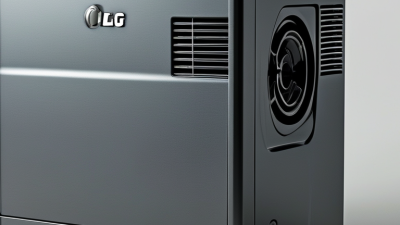
Key Design Features for Classifying LG Compressor Types

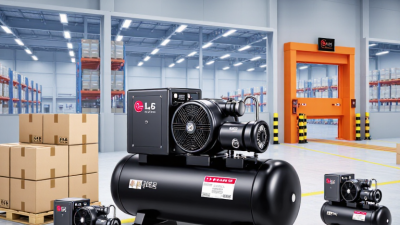
Compressor types are best classified by compression mechanism, drive method, and capacity control. Rotary and scroll designs use orbiting or rotating elements; reciprocating models rely on pistons. Screw compressors suit steady, larger loads, while centrifugal units serve high-flow applications. These categories describe engineering choices, not a universal ranking. That distinction matters.

Look beyond the mechanism. A fixed-speed motor cycles on and off, while an inverter-driven motor adjusts speed to match demand. Check the operating envelope, refrigerant compatibility, lubrication method, cooling path, and sound level. A cutaway drawing can reveal practical details: bearing placement, oil passages, and the clearance around moving parts. Small differences affect vibration and service access. Real installations are messier.

Efficiency deserves close attention. The International Energy Agency’s 2018 report, The Future of Cooling, projects global energy demand for space cooling to more than triple by 2050, reaching about 6,200 TWh annually. That forecast makes part-load behavior and system matching important selection criteria. Yet a high-efficiency label alone cannot predict field performance; piping, airflow, and controls also matter. A useful comparison records capacity, input power, and sound under the same test conditions. One caveat: published test results may not mirror a hot, dusty site.

Top 10 Compressor Types for Global Buyers — Key Design Features for Classification

No. Compressor Type Compression Principle Key Design Features Common Applications Buyer Checks
1 Reciprocating piston A piston moves back and forth in a cylinder, drawing in and compressing gas through valves. Positive-displacement design; available in hermetic, semi-hermetic, and open-drive configurations. Refrigeration systems, small chillers, and air-conditioning equipment. Check capacity, operating range, valve and service requirements, refrigerant compatibility, and noise or vibration limits.
2 Rolling-piston rotary An eccentric roller rotates inside a cylinder, changing the volume of the compression chamber. Compact rotary mechanism, typically using a vane to separate suction and compression regions. Room air conditioners, heat pumps, and compact refrigeration equipment. Compare capacity and efficiency at the required operating conditions; confirm mounting, lubrication, and sound specifications.
3 Twin-rotary Two rotary compression chambers operate with phased compression cycles. The paired chambers can help balance operating forces and deliver smoother flow than a comparable single-chamber arrangement. Air conditioners and heat pumps, including some variable-capacity systems. Review the full operating map, low-load performance, vibration data, and compatibility with the drive and control system.
4 Rotary-vane Sliding vanes in a rotating rotor form chambers that shrink as the rotor turns. Continuous rotary action; vane contact and lubrication are important design considerations. Selected refrigeration, air, and industrial gas applications. Verify the intended gas or refrigerant, lubrication method, maintenance needs, and permitted pressure range.
5 Scroll One scroll orbits relative to a fixed scroll, trapping and progressively compressing gas pockets. Few moving parts and continuous compression; designs may include protection against liquid carryover. Air conditioning, heat pumps, refrigeration, and small-to-medium chillers. Check approved refrigerants, capacity range, protection requirements, operating envelope, and service arrangements.
6 Twin-screw Intermeshing helical rotors trap gas and reduce its volume as it moves along the rotors. Continuous positive-displacement operation; available in oil-injected and oil-free arrangements depending on the application. Industrial refrigeration, process cooling, and larger HVAC systems. Compare part-load controls, oil management, service access, capacity, and the required pressure conditions.
7 Centrifugal A high-speed impeller adds velocity to the gas, and a diffuser converts much of that velocity into pressure. Dynamic rather than positive-displacement compression; performance depends on flow, speed, and system conditions. Large-capacity chillers and other high-flow industrial applications. Check the operating map, surge limits, minimum-load behavior, installation requirements, and system-level efficiency.
8 Linear / free-piston A linear motor drives a piston back and forth without a conventional crankshaft-and-connecting-rod drive. Reciprocating compression with a different drive mechanism; control and suspension design are central to operation. Specialized refrigeration and cooling applications. Confirm the complete control package, operating range, application support, and availability of qualified service.
9 Fixed-speed drive The motor runs at a largely fixed supply frequency; system capacity is commonly managed through cycling or other controls. A drive and control classification, not a compression mechanism; it can be paired with different compressor designs. Applications with steady loads or systems designed for on/off capacity control. Check starting current, supply frequency and voltage, cycling limits, and how system capacity matches the load.
10 Variable-speed, inverter-driven A variable-frequency drive adjusts motor speed to vary compressor output in response to demand. A drive and control classification that can be combined with compatible rotary, scroll, or other compressor mechanisms. Air conditioning, heat pumps, and refrigeration systems with changing loads. Verify the permitted speed range, drive compatibility, electrical requirements, control protocol, and efficiency across the load profile.

Note: Compressor mechanism and motor-control method are different classification axes. Fixed-speed and variable-speed designs can therefore overlap with several mechanical types. Application suitability depends on the complete system and its specified operating conditions.

Ten Major LG Compressor Types and How They Operate

Ten compressor types appear across household cooling and larger HVAC systems, though the labels sometimes overlap. A reciprocating compressor uses a piston moving inside a cylinder to squeeze refrigerant. A rotary-vane design turns a rotor with sliding vanes, while a rolling-piston design traps gas between an eccentric roller and cylinder wall. Twin-rotary models use two compression chambers to reduce pulsation. Small details matter: a loose mount can make even a compact unit sound surprisingly loud.

A scroll compressor presses refrigerant between two spiral elements, one orbiting around the other. A screw compressor uses paired helical rotors to move gas continuously. A centrifugal compressor spins an impeller at high speed, increasing refrigerant velocity before converting it into pressure. A linear compressor moves a piston directly along a straight path, rather than using a conventional crankshaft. Each mechanism has different strengths in capacity, noise, and operating range.

Two common control approaches are fixed-speed and inverter-driven operation. A fixed-speed compressor switches on and off to meet demand. An inverter-driven unit adjusts motor speed, often helping maintain steadier temperatures during partial-load conditions. These are control categories, not separate compression mechanisms, so they may be paired with rotary or scroll designs. Real performance depends on installation, refrigerant, airflow, and maintenance. Labels alone tell only part of the story. A blocked condenser coil, for example, can undermine an otherwise suitable design.

Common Applications in Residential and Commercial Systems

In residential systems, rotary compressors are common in compact air conditioners and heat pumps, where quiet operation and limited cabinet space matter. Inverter-driven models adjust speed as room temperatures change, helping reduce repeated on-off cycling. A small bedroom unit may run gently for hours, while a larger home system must handle changing loads across several rooms. Loads vary. Correct capacity still matters; oversizing can cause short cycles and uneven comfort.

Commercial buildings place different demands on compressors. Scroll designs often suit rooftop units and small packaged systems, while larger facilities may use several compressors to match changing occupancy. A shop with doors opening all day has a different load from a quiet office. That matters. Buyers should check operating temperature ranges, refrigerant compatibility, voltage, sound levels, and local service support before selecting equipment. A specification sheet alone can mislead, especially when climate and installation conditions differ from test settings. Even a well-matched compressor may perform poorly with inadequate airflow or incorrect system setup. The less obvious detail is often the one that causes trouble later.

How Global Buyers Compare Specifications and Compatibility

Global buyers should compare compressor specifications against the exact equipment model, not just a product category. Check cooling capacity, refrigerant, voltage, frequency, and operating range. A unit rated for a different power supply may look similar but fail to start reliably. Type matters too: reciprocating, rotary, and scroll designs differ in output, noise, and typical applications. Confirm the manufacturer’s technical documentation before treating two models as interchangeable.

Compatibility also depends on details that are easy to overlook. Match connection sizes, mounting points, oil requirements, and control signals. For inverter-driven systems, verify that the compressor works with the existing drive and control board. Compare dimensions and terminal positions against the old unit; a few millimeters can complicate installation. Record the full model code and serial details when requesting a replacement. A neat spreadsheet still cannot catch every mismatch, so recheck critical values against the equipment label.

Tips: Ask suppliers for a specification sheet and wiring diagram. Confirm refrigerant and electrical ratings in writing. If a value is missing, pause and verify it rather than guessing. Small omissions can cause delays.