2026 Top Air Conditioning Compressor Buying Guide for Global Suppliers?
The air conditioning compressor market is poised for significant growth in the coming years. According to a recent report by Market Research Future, the global air conditioning compressor market was valued at over $20 billion in 2022, with a projected compound annual growth rate (CAGR) of 5.5% from 2023 to 2030. This growth is driven by increasing demand for energy-efficient cooling solutions in both residential and commercial sectors.
Industry expert Dr. Alice Henderson emphasizes the importance of selecting the right air conditioning compressor. She states, "A well-chosen compressor not only enhances system performance but also contributes to energy savings." As technology advances, suppliers must consider variables such as efficiency ratings, reliability, and compatibility with evolving refrigerants.
Navigating this complex landscape requires careful evaluation. Buyers must pay attention to supplier credibility and product certifications. With numerous options available, many suppliers face challenges in distinguishing their products. It’s crucial to base decisions on thorough market research and expert insights rather than superficial attributes. Ultimately, the right choice can profoundly impact both comfort levels and energy costs.

Understanding the Importance of Air Conditioning Compressors in HVAC Systems
Air conditioning compressors serve as the heart of HVAC systems, playing a pivotal role in temperature regulation. These components work by compressing refrigerant, allowing the system to absorb heat from indoor air and release it outside. According to the 2023 Global HVAC Market Report, compressors account for approximately 40% of the energy consumption in cooling systems. This highlights their significance in overall system efficiency.
However, not all compressors are created equal. Factors such as type, capacity, and energy efficiency ratings greatly impact performance. A recent study indicated that variable speed compressors can operate more efficiently, reducing energy consumption by up to 30%. This potential for savings is crucial for businesses focusing on sustainability. Despite this, some manufacturers still rely on outdated technology, leading to inefficiencies and increased carbon footprints.
The selection process can often be challenging due to the myriad of choices available. Poor selection can result in system failures or suboptimal performance. Many consumers overlook the importance of proper sizing and compatibility with existing systems. These decisions can have lasting effects on energy costs and system longevity. Awareness and education are necessary as the HVAC landscape continues to evolve.
Key Factors to Consider When Buying Air Conditioning Compressors
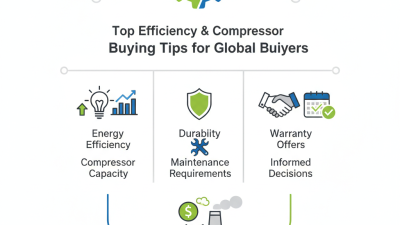
When considering air conditioning compressors, several key factors come into play. One vital aspect is energy efficiency. According to the International Energy Agency, cooling appliances account for approximately 10% of global electricity consumption. Choosing compressors with high seasonal energy efficiency ratios (SEER) can lead to significant savings in energy costs over time. This is especially crucial as energy prices fluctuate.
Durability and maintenance requirements are equally important. Reports indicate that a well-maintained compressor can last between 10 to 15 years. However, if a compressor is prone to frequent breakdowns, the long-term costs can escalate quickly. Selecting compressors that offer extended warranties and require minimal maintenance can mitigate these unexpected expenses.
Another consideration is the environmental impact. The industry is moving towards more eco-friendly refrigerants. Recent studies show that compressors using R-32 refrigerant can reduce global warming potential by up to 70% compared to traditional options. As regulations tighten globally, opting for environmentally conscious compressors becomes a more pressing necessity. Each of these factors influences the overall effectiveness and sustainability of air conditioning systems in varied applications.
Types of Air Conditioning Compressors and Their Applications
When selecting air conditioning compressors, understanding the types and their applications is essential. Various compressor types include reciprocating, scroll, screw, and centrifugal models. Each type serves different needs across industries. According to a 2022 report by MarketsandMarkets, the global market for air conditioning compressors is projected to reach $30.2 billion by 2025, reflecting diverse applications in residential, commercial, and industrial sectors.
Reciprocating compressors are widely used for their adaptability. They are common in home air conditioning systems. Their simple design makes them cost-effective yet reliable. Scroll compressors, on the other hand, are known for their efficiency and quieter operation. A study by ResearchAndMarkets highlighted that scroll compressors could save up to 20% in energy consumption compared to reciprocating models. This efficiency often makes them preferable for modern HVAC systems.
Centrifugal compressors excel in large-scale applications. They provide high capacity, making them suitable for commercial buildings and industrial setups. However, their installation and maintenance can be complex. Screw compressors are utilized in industrial settings due to their robustness. They handle varying loads but require more comprehensive maintenance. This diversity in compressor types means suppliers must stay informed and consider the specific application needs before making a selection.
2026 Top Air Conditioning Compressor Buying Guide for Global Suppliers
| Type of Compressor |
Applications |
Efficiency Rating |
Cost Range (USD) |
Noise Level (dB) |
| Reciprocating Compressor |
Residential systems, chillers |
High |
$300 - $700 |
60 - 70 |
| Scroll Compressor |
Commercial HVAC, heat pumps |
Very High |
$500 - $1500 |
55 - 65 |
| Screw Compressor |
Industrial refrigeration, large systems |
High |
$2000 - $5000 |
70 - 80 |
| Centrifugal Compressor |
Large commercial systems, chillers |
Very High |
$5000 - $15000 |
75 - 85 |
| Variable Speed Compressor |
Smart HVAC systems |
Very High |
$600 - $2000 |
50 - 60 |
Evaluating Supplier Credentials and Product Quality in the Global Market
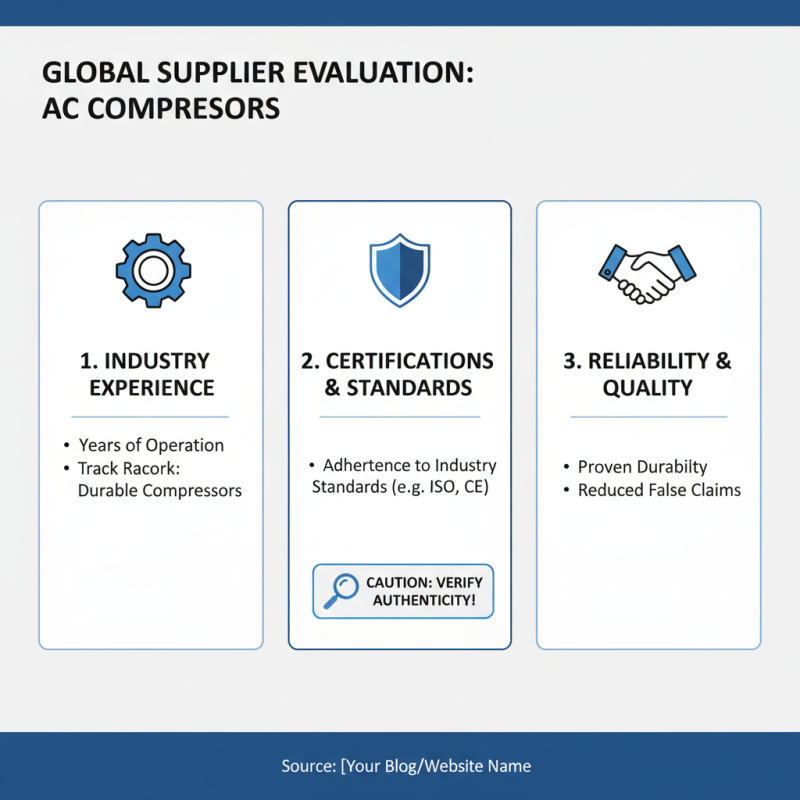
When evaluating suppliers for air conditioning compressors, it’s critical to assess their credentials and product quality. A reliable supplier should exhibit extensive industry experience. Look for years of operation and a track record in producing durable compressors. Certifications can also indicate adherence to industry standards. However, it is essential to question the authenticity of these certifications. Some companies may present false claims.
Product quality is crucial in avoiding frequent replacements and repairs. Request detailed product specifications and seek samples before making bulk purchases. Inspect the materials used in construction. High-quality compressors typically use robust components designed for longevity. However, not all high-priced products guarantee superior quality.
Customer reviews offer insightful feedback but may not always be trustworthy. Pay attention to both positive and negative comments. Discrepancies in reviews can signal potential issues. Utilize trade platforms to compare various suppliers. Conducting price comparisons is essential, too, but don’t prioritize cost above quality. Finding the right balance can enhance the reliability of your supplier network in the global market.
Cost Analysis: Budgeting for Air Conditioning Compressors in 2026
As the demand for air conditioning systems continues to grow, understanding cost dynamics is crucial for suppliers. In 2026, pricing factors such as raw materials, labor, and technology will significantly influence compressor costs. Budgeting effectively requires a deep dive into these aspects. Suppliers should analyze market trends and economic conditions regularly. Using tools like cost analysis reports can enhance decision-making.
An efficient budget for air conditioning compressors must account for unexpected expenses. Suppliers should prepare for fluctuations in material prices and labor costs. It’s not uncommon to encounter variations that can impact overall spending. One aspect to consider is the integration of advanced technology. While the upfront costs may be higher, long-term energy savings can yield a better return.
Many suppliers underestimate the importance of maintenance costs. Regular upkeep is essential for prolonging the lifespan of compressors. Investing in training for technicians can reduce these costs over time. Additionally, misunderstanding procurement processes can lead to overspending. Being informed and adaptive will help suppliers navigate financial challenges in 2026.