Top Rotary Compressor Buying Tips for Global Buyers
When considering the purchase of a Rotary Compressor, understanding the nuances of the industry is critical. John Smith, a seasoned expert in the HVAC field, emphasizes, "Choosing the right Rotary Compressor can greatly affect efficiency and longevity." This statement encapsulates the weight of the decision faced by global buyers.
The market offers numerous options, but not all compressors are equal. Buyers must evaluate energy efficiency, compressor capacity, and durability. These features dictate both performance and operational costs over time. A reliable Rotary Compressor is not a mere piece of equipment; it can enhance productivity and lower energy expenses significantly.
Potential buyers often overlook details like maintenance requirements and warranty offers. Ignoring these factors can lead to regret down the line. Investing time in research can yield rewarding results. Understanding the landscape will empower buyers to make informed decisions. In the end, the right Rotary Compressor will not only meet needs but also provide peace of mind.

Key Factors to Consider When Choosing a Rotary Compressor
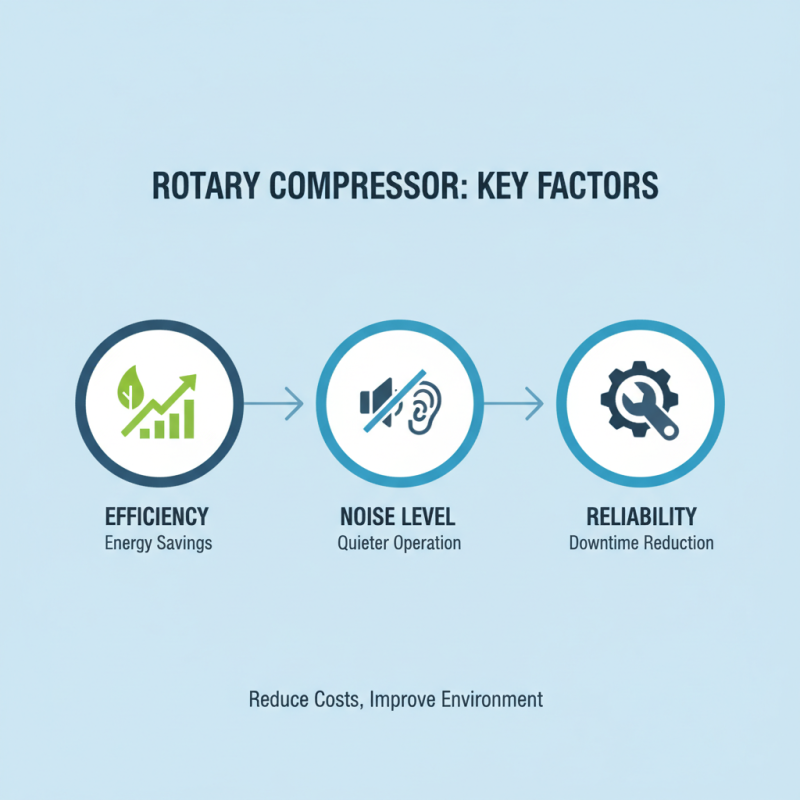
Choosing the right rotary compressor requires careful consideration of several factors. Efficiency is crucial. Look for models that offer high energy efficiency ratings. This can significantly reduce operational costs over time. Additionally, noise level matters. A quieter compressor can improve the work environment and reduce disruption.
Another important aspect is capacity. Ensure the compressor can handle your specific cooling or heating needs. Oversized units waste energy, while undersized ones may struggle to maintain performance. Maintenance is often overlooked. Opt for models designed for easy service to minimize downtime.
Finally, consider the warranty and customer support. A solid warranty can provide peace of mind and confidence in your purchase. Reflect on your particular situation. Each user’s needs can vary widely based on application and environment. Take the time to assess your requirements thoroughly.
Understanding Rotary Compressor Efficiency Ratings and Classifications
When purchasing rotary compressors, understanding efficiency ratings is crucial. Efficiency ratings are usually classified into several categories. The most common include Energy Efficiency Ratio (EER) and Coefficient of Performance (COP). EER provides insights into how much cooling a compressor can provide per unit of energy consumed. COP measures the efficiency of the compressor in heating applications. Reports suggest that a unit with an EER over 12 is considered highly efficient.
In evaluating these ratings, it is important to review key factors affecting performance. Seasonal Energy Efficiency Ratio (SEER) can also provide valuable information. SEER reflects the efficiency of an air conditioning system over an entire cooling season. Units with a SEER rating above 14 can significantly reduce energy costs. However, a higher rating doesn't always guarantee the best choice, as installation and maintenance also play roles in long-term efficiency.
The classifications can sometimes be misleading. Manufacturers may present data that favors their products. It’s essential for buyers to look beyond the ratings and assess the whole system. User reviews and industry studies can shed light on real-world performance. Consulting with experts can clarify these metrics and help make informed decisions. Efficiency is not just a number; it's about understanding how it translates into savings and environmental impact.
Rotary Compressor Efficiency Ratings
This chart displays the efficiency ratings of rotary compressors categorized into different classes. Class A represents the highest efficiency, while Class E has the lowest. Understanding these ratings is crucial for buyers looking to make informed decisions when purchasing rotary compressors.
Analyzing Noise Levels and Their Impact on Rotary Compressor Selection
When selecting a rotary compressor, noise levels play a crucial role in the decision-making process. A study from the International Institute of Refrigeration reveals that compressors often operate between 50-75 dB. This significant variation highlights the need for buyers to prioritize noise reduction features. For instance, a 70 dB compressor is roughly as loud as a vacuum cleaner, which could be disruptive in residential settings.
Buyers should also consider the impact of noise on operational efficiency. Higher noise levels can indicate underlying issues with mechanical components. According to industry reports, compressors that operate quietly, around 50 dB, can enhance comfort and productivity in workplaces. This level is akin to a quiet library. Reduced noise often correlates with better design and materials, which can lead to increased reliability and longevity.
Investing in quieter rotary compressors can substantially affect performance. While these models may come with a higher upfront cost, they can save long-term expenses linked to maintenance and energy consumption. It is essential to weigh these factors against budget constraints and operational needs. Buyers must reflect on their priorities, making informed choices rather than settling for the noisiest options available.
Evaluating the Importance of Compressor Size and Cooling Capacity
When choosing a rotary compressor, size plays a crucial role. A correctly sized compressor ensures optimal performance and energy efficiency. Selecting one that is too small can lead to overworking the unit, resulting in frequent breakdowns. An oversized compressor may cool the space quickly but can cause constant on-off cycling, leading to inefficiencies and higher energy bills.
Cooling capacity is another key factor. It is determined by the compressor's ability to remove heat from the environment. Buyers should calculate their cooling needs based on room size and typical usage. Inadequate cooling can lead to discomfort, while excessive cooling can waste energy. Balancing these aspects is vital but often overlooked, leading to dissatisfaction later on.
Not all manufacturers provide clear information about sizing and capacity. Sometimes, buyers receive confusing specifications or vague guidelines. This can cause significant issues if not addressed during the purchasing phase. Take time to consult with knowledgeable professionals or use reliable tools for calculation. A thoughtful approach to selecting the right size and capacity can lead to a more satisfying experience with your rotary compressor.
Top Rotary Compressor Buying Tips for Global Buyers - Evaluating the Importance of Compressor Size and Cooling Capacity
| Compressor Model |
Cooling Capacity (BTU/h) |
Compressor Size (Cubic Feet) |
Power Consumption (kW) |
Efficiency Rating |
| Model A1 |
10,000 |
1.5 |
1.2 |
SEER 16 |
| Model B2 |
12,000 |
2.0 |
1.5 |
SEER 14 |
| Model C3 |
15,000 |
2.5 |
1.8 |
SEER 18 |
| Model D4 |
20,000 |
3.0 |
2.1 |
SEER 15 |
| Model E5 |
25,000 |
4.0 |
2.5 |
SEER 20 |