7 Best Daikin Compressor Suppliers for Global Buyers?
Choosing a Daikin Compressor supplier is not simply a pricing exercise. It affects cooling performance, energy use, maintenance response, and equipment life. Global buyers need evidence, not attractive product lists.
Stephen Yurek, a respected HVACR industry expert and former AHRI president, said, “The HVACR industry is essential to the health, safety, and comfort of people.” That principle matters when evaluating suppliers. A reliable partner should provide genuine compressor models, clear serial-number records, refrigerant compatibility, oil specifications, and traceable documentation. Warranty terms should be written plainly. Support should continue after delivery.
This guide examines seven Daikin Compressor suppliers serving international buyers. It considers authorized distribution, technical knowledge, inventory depth, export experience, delivery reliability, and after-sales service. It also reviews practical details, such as protective packaging, voltage requirements, model matching, and replacement lead times.
Small details matter.
A damaged terminal cover can delay installation. An incorrect oil type can create expensive system problems. A low quotation may hide weak technical support or uncertain product origin. No supplier is perfect, and availability can change with regional demand. Buyers should still verify current authorization, stock status, and warranty coverage before placing an order.
The shortlist is designed for contractors, wholesalers, OEMs, and facility managers. It offers a useful starting point, not a substitute for engineering review. Procurement decisions deserve careful checking.
Daikin Compressor Basics and Global Market Applications
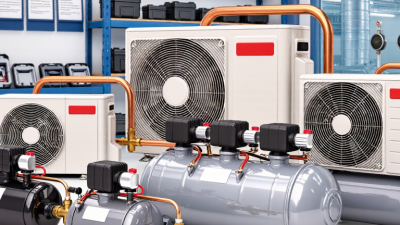
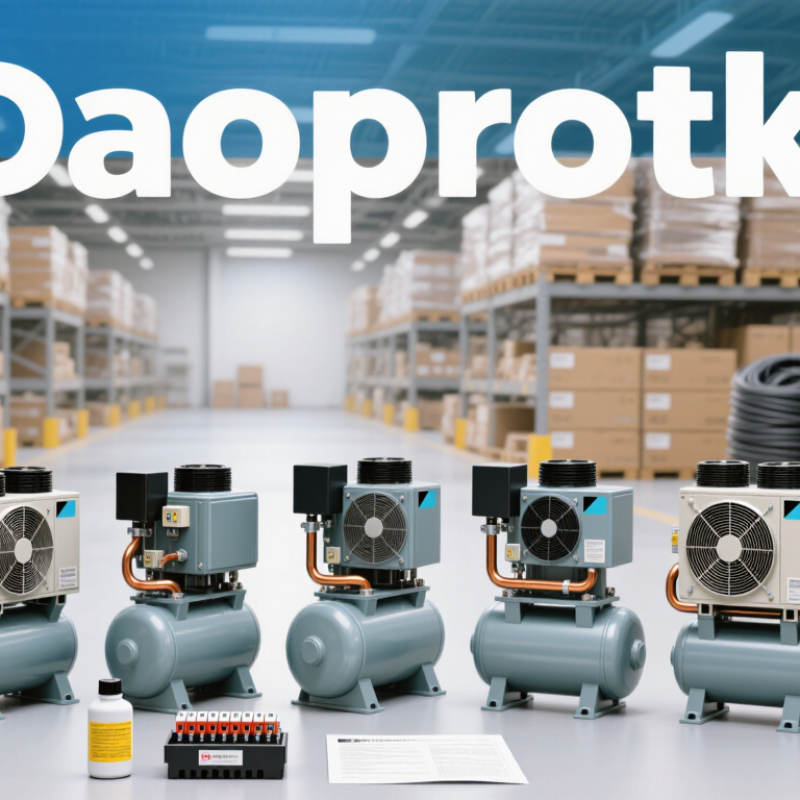
Daikin compressor systems support many cooling applications, from supermarket cabinets to industrial chillers and residential heat pumps. Their core task is simple: compress low-pressure refrigerant vapor and move heat through the cycle. Scroll, reciprocating, rotary, and screw designs suit different capacities. Variable-speed models can adjust output more precisely, reducing frequent starts and energy waste.
The International Energy Agency reported in The Future of Cooling that space-cooling electricity demand could more than triple by 2050. This growth increases demand for efficient compressors in offices, data centers, cold chains, and transport refrigeration. UNEP’s 2022 Cooling Emissions and Policy Synthesis Report also links cooling growth with rising electricity use and refrigerant-management challenges. A dependable global supplier should provide performance curves, voltage options, refrigerant compatibility, acoustic data, and traceable spare parts. Field experience matters. A catalog alone is not enough.
Tips: Ask for tested capacity at your actual evaporating and condensing temperatures. Check oil compatibility, starting current, inverter limits, and warranty response times. Compare seasonal efficiency, not only rated capacity. A low purchase price may create higher service costs later. I may overvalue laboratory efficiency here; dusty sites, unstable power, and poor installation can change results quickly. Suppliers should disclose those operating limits clearly.
Daikin Compressor Basics: Typical Evaporating Temperatures by Global Application
Compressor selection is closely linked to the evaporating temperature required by the application. Higher-temperature systems are common in comfort cooling, while low-temperature systems are used for frozen-food storage and industrial refrigeration.
Values represent commonly used design-point evaporating temperatures; actual conditions vary by refrigerant, system design, ambient temperature, and required product temperature.
How to Evaluate Daikin Compressor Suppliers Worldwide
Choosing a compressor supplier requires more than comparing online prices. Verify the supplier’s operating history, technical staff, and service coverage. Ask for traceable product records, factory inspection reports, and recent customer references. A polished website proves very little.
Check model compatibility carefully. Confirm refrigerant type, voltage, displacement, cooling capacity, oil requirements, and operating limits. Request performance data at realistic temperatures, not only laboratory conditions. Reliable suppliers provide serial-number verification, installation guidance, spare-parts access, and clear warranty terms. Their documents should match the shipped equipment. Small inconsistencies deserve attention.
Global purchasing adds practical risks. Review export experience, packaging standards, lead times, customs documents, and insurance responsibilities. Ask how the supplier handles damaged goods and urgent technical complaints across time zones. Independent quality inspections can reveal weak packaging, incorrect labels, or moisture exposure before shipment. Payment terms also matter; avoid choosing a supplier only because it offers the lowest quotation.
A useful evaluation method is a weighted scorecard. Compare technical support, quality evidence, delivery performance, communication, and total ownership cost. Price should not dominate the decision. In field assessments, even established suppliers can make mistakes. No checklist is perfect. Recheck critical details before payment, especially serial numbers and application data. One overlooked specification can create expensive downtime months later.
7 Best Daikin Compressor Suppliers for Global Buyers? - How to Evaluate Daikin Compressor Suppliers Worldwide
| Supplier ID |
Primary Sourcing Region |
Manufacturer Authorization |
ISO 9001 Evidence |
Product Traceability |
Warranty Terms |
Export Documentation |
Technical Support |
Recommended Evaluation Score |
| Supplier 01 |
Japan and East Asia |
Verify with manufacturer |
Certificate and scope required |
Serial number and factory records |
Written coverage required |
Invoice, packing list, COO, transport documents |
Application and commissioning assistance |
Score after verification |
| Supplier 02 |
Southeast Asia |
Verify authorized channel status |
Current certificate preferred |
Serial and purchase-source records |
Parts and labor terms required |
Commercial and customs documents |
Remote troubleshooting capability |
Score after verification |
| Supplier 03 |
China |
Confirm authorization in writing |
Certificate validity to be checked |
Factory label and serial verification |
Minimum warranty period stated in contract |
Export declaration and origin documents |
Replacement-parts availability |
Score after verification |
| Supplier 04 |
Europe |
Check regional distribution rights |
Independent confirmation preferred |
Serial, batch, and delivery records |
EU contractual terms if applicable |
VAT, customs, and conformity documents |
Local-language technical support |
Score after verification |
| Supplier 05 |
North America |
Confirm authorized reseller status |
Current certificate or audit report |
Serial and distribution-chain records |
Clear return and warranty process |
Commercial invoice and freight documents |
Field-service network preferred |
Score after verification |
| Supplier 06 |
Middle East |
Validate territory and channel authority |
Quality-management evidence required |
Original serial and inspection records |
Climate and installation conditions addressed |
Origin, customs, and insurance documents |
High-ambient application support |
Score after verification |
| Supplier 07 |
Latin America and Caribbean |
Confirm local distribution authorization |
Certificate or supplier audit evidence |
Serial and invoice matching |
Written warranty and claims procedure |
Spanish or Portuguese documents if needed |
Regional spare-parts support |
Score after verification |
Evaluation note: Supplier identities, authorization status, certifications, prices, stock, lead times, and warranty coverage must be independently verified before purchase. A regional location alone does not establish supplier quality or manufacturer authorization.