Why Choose Copeland Semi-Hermetic Piston Compressor for Your Needs?
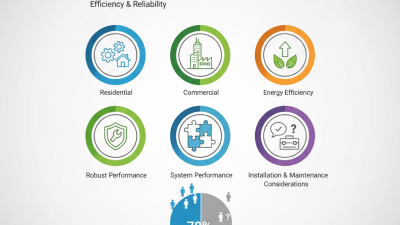
In the competitive landscape of refrigeration and air conditioning, the choice of compressor significantly impacts system efficiency and reliability. The Copeland Semi-Hermetic Piston Compressor has earned a reputation for excellence in this field. According to a report by Market Research Future, the global compressor market is projected to reach $40 billion by 2025, with piston compressors playing a critical role in this growth.
This particular compressor design offers a blend of durability and operational efficiency. It is engineered for low noise and vibration, making it suitable for diverse applications. However, companies must analyze their specific needs before investing. Not every project may benefit equally from this choice.
Research from the International Energy Agency indicates significant energy savings can be achieved through the application of advanced compressor technologies. The Copeland Semi-Hermetic Piston Compressor exemplifies such technological advancement, though its suitability depends on the conditions of actual use. Buyers should consider the long-term operational costs against the compressor's initial price.
Overview of Copeland Semi-Hermetic Piston Compressors
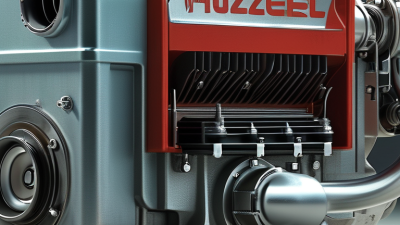
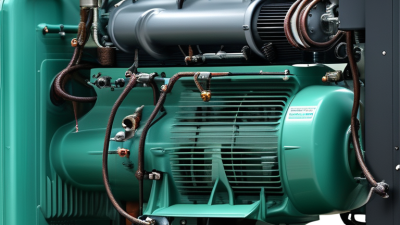
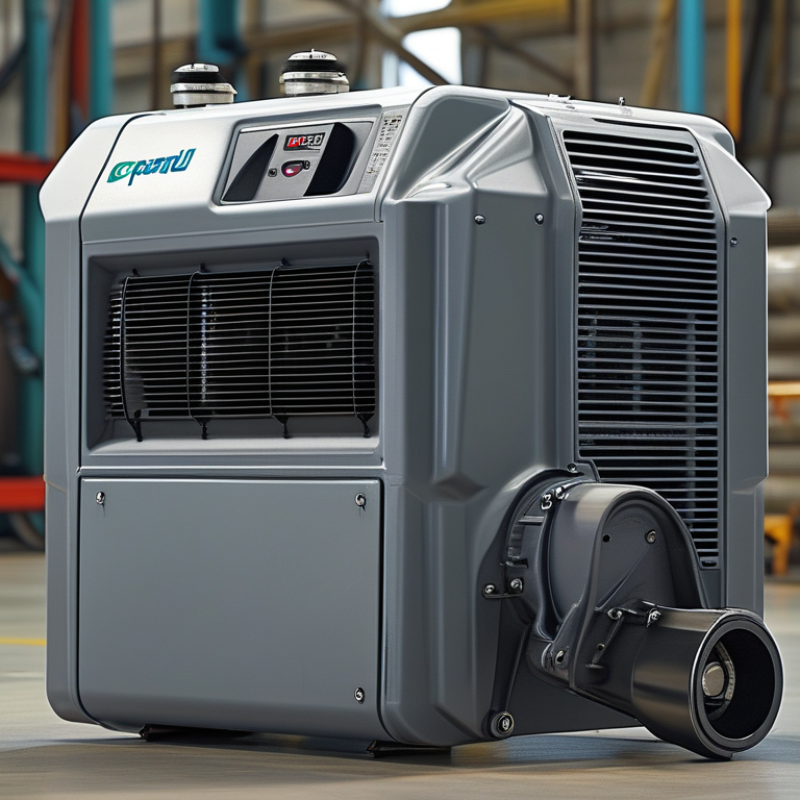
Copeland semi-hermetic piston compressors are gaining traction in various industries due to their robust design. These compressors feature a unique sealed construction that effectively protects internal components from external elements, prolonging their lifespan. Users often find their performance reliable under varying loads. However, regular maintenance is crucial for optimal efficiency.
These compressors are versatile, able to handle a range of refrigerants. Industries such as food processing and HVAC benefit significantly from their application. Users report improved energy efficiency, which is essential in today's competitive markets. Yet, there are challenges; installation can be complex and may require professional expertise, leading to potential downtime.
The noise levels of semi-hermetic compressors can be a concern. Some users find them louder compared to other types. It's important to assess noise reduction options, especially in sensitive environments. Reflecting on these factors can help in making an informed decision when choosing a compressor that fits specific operational needs.
Key Advantages of Using Semi-Hermetic Piston Compressors
Semi-hermetic piston compressors offer several advantages that make them a popular choice in various applications. One significant benefit is their efficiency. Industry studies indicate that these compressors can achieve up to 30% higher efficiency compared to traditional open models. This is primarily due to their enclosed design, which minimizes heat loss and enhances performance under varying load conditions.
Reliability is another critical factor. Semi-hermetic compressors are designed for durability, often with components that are robust and quite resilient to wear. The compressors typically have a lower failure rate, which reduces maintenance costs. Reports suggest that maintenance expenses can account for around 15-20% of the total operational costs of HVAC systems. The longevity of semi-hermetic compressors can therefore lead to significant savings over time.
Moreover, noise reduction is a notable aspect. These units operate more quietly than their open counterparts, making them suitable for installations in noise-sensitive environments, such as hospitals or residential areas. However, it's essential to remember that proper installation and maintenance remain crucial. A failure to adhere to environmental guidelines can diminish these benefits, underscoring the importance of professional expertise in the selection and upkeep of the system.
Why Choose Copeland Semi-Hermetic Piston Compressor for Your Needs? - Key Advantages of Using Semi-Hermetic Piston Compressors
| Advantages |
Description |
Applications |
Efficiency Rating |
| Energy Efficiency |
Optimized design for lower power consumption, reducing operational costs. |
Commercial refrigeration, industrial HVAC |
High |
| Reliability |
Durable construction that withstands harsh operating conditions. |
Chilled water systems, heat pumps |
Excellent |
| Noise Reduction |
Designed for quieter operation compared to traditional compressors. |
Residential HVAC, commercial applications |
Moderate |
| Serviceability |
Easier access to components for maintenance and repairs. |
Facility management, food preservation |
Good |
| Versatility |
Suitable for various refrigerants and applications. |
Various cooling systems, process cooling |
Very High |
Applications of Copeland Compressors in Various Industries
Copeland compressors are widely used across various industries due to their reliability and efficiency. In the refrigeration sector, these compressors excel in maintaining optimal temperatures in commercial units. Restaurants and supermarkets benefit significantly. They rely on these compressors for consistent cooling, ensuring food safety and freshness.
In the HVAC industry, Copeland compressors are pivotal. They provide climate control in residential buildings. This application helps ensure comfort throughout different seasons. Factories also use them for climate management, improving workplace productivity. These compressors are adaptable, making them suitable for numerous settings.
Tips: When selecting a compressor, consider the specific needs of your application. Performance and efficiency are critical factors in decision-making. Regular maintenance improves longevity and reduces unexpected failures. Additionally, considering the compressor’s energy consumption can lead to cost savings over time.
Comparison with Other Types of Compressors
When evaluating compressors, understanding the differences between semi-hermetic piston compressors and other types is crucial. Semi-hermetic compressors feature a robust design that enhances durability and efficiency. According to industry reports, these compressors can achieve an efficiency of up to 90% in energy usage, making them a cost-effective option for long-term operations.
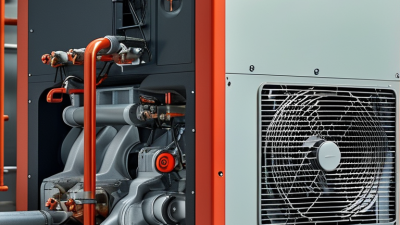
Compared to rotary compressors, semi-hermetic models can handle higher pressure and temperatures, which is beneficial in industrial settings. Additionally, scroll compressors often have lower capacity limits. This restriction can lead to inefficiencies in larger applications, where semi-hermetic units excel. However, installation and maintenance may require specific expertise.
Tips: Consider your application’s specific pressure and temperature needs when selecting a compressor type. Always consult with professionals during the selection process to ensure you make an informed decision. Additionally, monitor energy consumption regularly. This practice helps to identify any inefficiencies early, allowing for prompt interventions. Efficiency isn’t just about initial costs; over time, performance matters.
Maintenance Tips for Optimal Performance of Copeland Compressors
Maintaining a semi-hermetic piston compressor is crucial for optimal performance. Regular checks can prevent costly breakdowns. One key aspect is the oil level. Ensure it stays within the recommended range. Low oil can lead to overheating and increased wear. Inadequate lubrication can cause significant damage over time.
Another important point is the condition of the filters. Clogged filters restrict airflow and reduce efficiency. Regularly replacing or cleaning them can enhance the compressor's lifespan. Additionally, keep an eye on pressure levels. Deviations can indicate underlying issues. Ignoring these signs might lead to bigger problems down the line.
It's essential to document maintenance activities. This log helps identify patterns and potential areas for improvement. Even experienced technicians can overlook small details. Building a solid maintenance routine with clear steps can guide better performance. Neglecting these aspects might lead to unexpected failures and repairs. Stay proactive to ensure your compressor runs smoothly.