How to Choose the Right Carrier Compressor for Your HVAC System?
Choosing the right Carrier Compressor for your HVAC system is crucial. A well-selected compressor ensures efficiency and longevity. It can enhance comfort while reducing energy bills.
Carrier Compressors come in various models, each designed for specific needs. Understanding their features and compatibility with your system matters. Careful consideration can prevent costly mistakes later.
The market offers different technologies and capacities. Evaluating your space requirements and climate conditions is essential. An improper choice may impact performance. This decision is pivotal; it affects your investment and comfort level. Always consult professionals when in doubt.
Understanding the Basics of Carrier Compressors in HVAC Systems
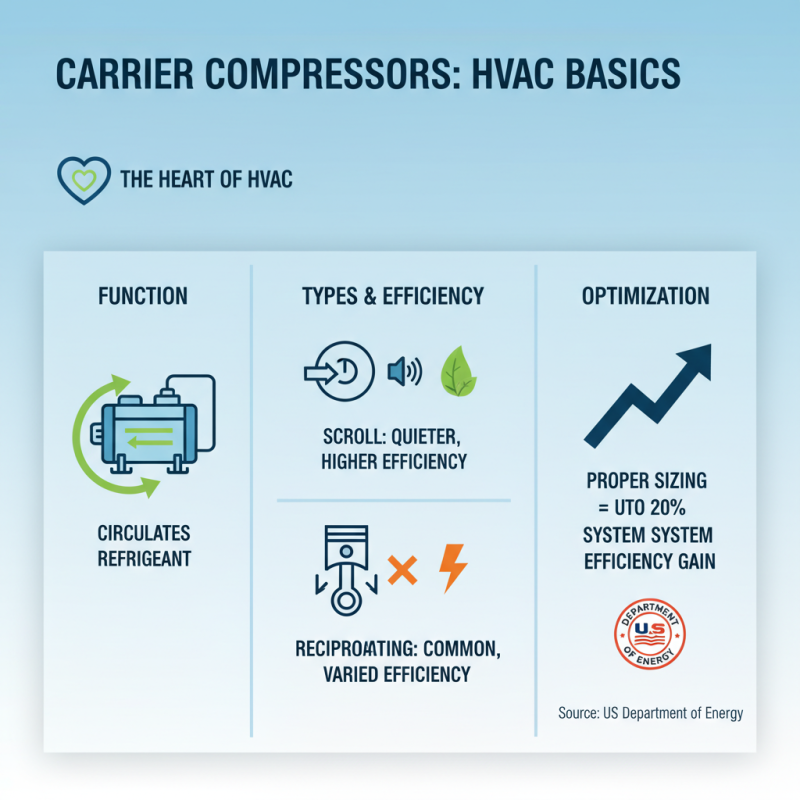
Carrier compressors play a crucial role in HVAC systems, serving as the heart that circulates refrigerant. Understanding the basics can significantly influence your choice. These compressors are categorized based on their design and efficiency. For example, scroll compressors are often noted for their quieter operation and higher efficiency compared to reciprocating types. According to the U.S. Department of Energy, a properly sized compressor can improve the system’s efficiency by up to 20%.
One key aspect to consider is the Seasonal Energy Efficiency Ratio (SEER). A higher SEER rating indicates better energy efficiency. Compressors with a SEER rating of 16 or higher are now common in new systems, reflecting industry trends. However, it’s essential to align the SEER rating with the specific needs of your space. Oversized systems can lead to short cycling, causing wear and tear, and potentially higher energy costs.
When evaluating carrier compressors, noise levels and environmental impact are important. The decibel level can affect comfort. Many new models strive to reduce noise but still may fall short of expectations in certain environments. Additionally, refrigerants used in compressors must comply with environmental regulations. Changes in the industry often occur, creating complexities in choosing the right system. Balancing efficiency, comfort, and compliance can be challenging yet essential for sustainability.
Identifying Your HVAC System Requirements for Compressor Selection
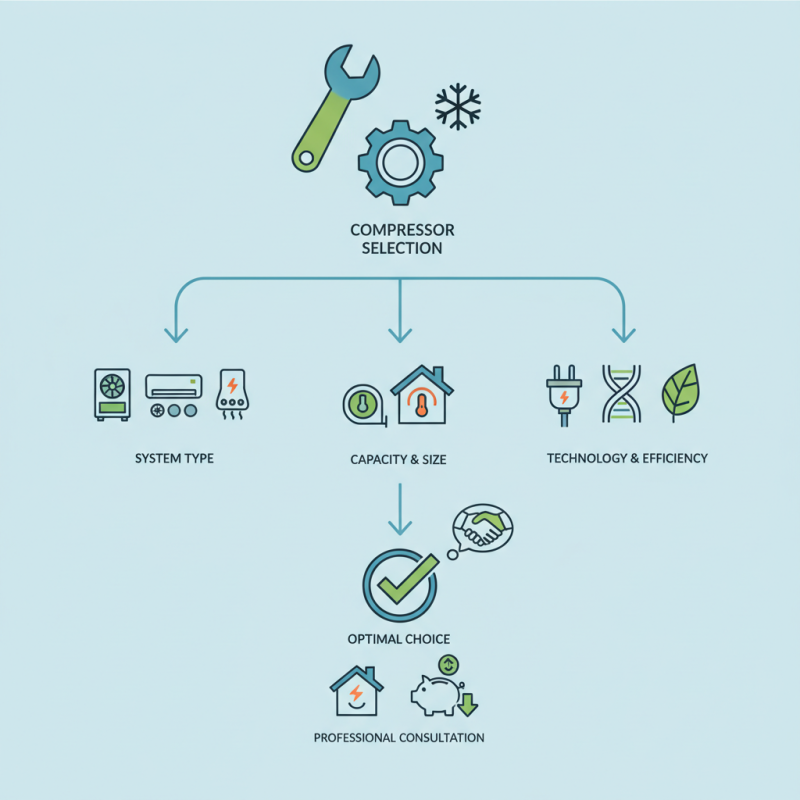
Selecting the right compressor for your HVAC system requires a deep understanding of your specific needs. Start by assessing the size of your space. Larger areas need more powerful compressors to maintain consistent temperatures. A small compressor in a big room will struggle, leading to inefficiency. Conversely, an oversized compressor can cause short cycling. This leads to increased wear and tear, reducing overall lifespan.
Consider the climate in your region as well. Colder areas might favor compressors with different features than those needed in hotter climates. Take insulation levels into account as well. Good insulation can affect the load on your system. Proper evaluation can help you avoid common mistakes, such as overlooking airflow needs or failing to calculate the total cooling load accurately.
Budget constraints are also a reality. Higher efficiency compressors tend to cost more initially but save money in the long run. It’s essential to weigh short-term costs against long-term savings. Also, think about noise levels. Some compressors operate quietly, while others might be disruptive. Identifying these requirements will lead to sound decisions, but it’s important to remain flexible and open to adjustments as your needs evolve.
Evaluating the Efficiency Ratings of Carrier Compressors
When evaluating the efficiency ratings of carrier compressors in HVAC systems, several factors come into play. Efficiency ratings, particularly the Seasonal Energy Efficiency Ratio (SEER) and Energy Efficiency Ratio (EER), are critical indicators. A higher SEER means better energy usage, which translates to savings on energy bills. For instance, a SEER rating of 16 can save about 33% more energy than a rating of 12.
In addition to efficiency, consider the noise levels of the compressors. Lower decibel ratings contribute to a quieter environment. The U.S. Department of Energy suggests that residential units should ideally operate under 70 dB for comfort. Also, look into the compressor's reliability rating. According to industry reports, faulty compressors account for 30% of system failures. This emphasizes the importance of selecting a high-rated, reliable option.
Additionally, keep in mind that environment plays a role in compressor efficiency. Geographic location can impact the system's performance and energy consumption. For example, units operating in hotter climates might require different efficiency ratings than those in cooler regions. Balancing efficiency with specific environmental needs can be complex, and this requires careful consideration of local conditions.
Comparing Different Types of Carrier Compressors Available
When selecting a compressor for your HVAC system, understanding the different types is crucial. Carrier compressors fall into several categories: reciprocating, scroll, and screw. Each type has its own advantages and limitations, making the decision process complex yet essential for efficiency.
Reciprocating compressors are popular for residential systems. They are reliable and perform well in various temperature patterns. However, they can be less energy-efficient compared to scroll compressors. Scroll compressors are increasingly favored for their quiet operation and higher efficiency ratings, typically rated at 15% to 25% better than their reciprocating counterparts. However, they may require more careful installation and can be less forgiving of system issues.
Screw compressors are ideal for larger commercial applications. They excel in efficiency and can operate continuously without overheating. Reports indicate that these compressors have an efficiency level exceeding 90% under certain conditions. However, their upfront costs are higher, which might discourage some users. Evaluating each type's specifications and applications will provide a clearer decision path for HVAC needs, leading to better energy savings and comfort levels.
Carrier Compressor Types Comparison
Consulting with HVAC Professionals for Optimal Compressor Choices
Choosing the right compressor for your HVAC system can be overwhelming. Working with HVAC professionals helps simplify this process. These experts have extensive experience in selecting compressors based on specific requirements. They analyze your home’s size, insulation, and climate before making recommendations. Their insights ensure that you don’t waste money on an ill-fitting compressor.
Consultations with HVAC professionals also provide access to advanced knowledge. They understand energy efficiency, noise levels, and environmental considerations. This depth of knowledge is crucial for making informed decisions. Professionals can help you navigate the intricacies of compressor types, such as scroll or reciprocating. A minor oversight can lead to increased energy bills or inadequate cooling.
Sometimes, relying solely on online research can lead to poor choices. There's a risk of selecting a compressor that underperforms. Professionals remove that uncertainty and provide tailored advice. They can assess real-time data from your HVAC system and recommend adjustments. Partnering with them reduces the stress of maintenance. It ultimately leads to a healthier, more efficient indoor environment.
How to Choose the Right Carrier Compressor for Your HVAC System?
| Compressor Type |
Efficiency Rating (SEER) |
Cooling Capacity (BTU/hr) |
Noise Level (dB) |
Warranty (Years) |
| Scroll Compressor |
15-20 |
12,000 - 60,000 |
50-60 |
10 |
| Reciprocating Compressor |
12-16 |
7,000 - 50,000 |
60-70 |
5 |
| Rotary Compressor |
14-18 |
8,000 - 30,000 |
55-65 |
7 |
| Centrifugal Compressor |
15-30 |
100,000+ |
70-80 |
15 |