How to Choose the Best Compressor for Your Needs?
Choosing the right compressor can significantly impact your projects. Compressors are essential tools that streamline various tasks, from painting to powering pneumatic tools. However, many individuals struggle with selecting the best one for their needs.
Different compressors offer various features, capacities, and prices. Understanding these differences is crucial. An air compressor must match the specific tasks you intend to perform. For instance, not all compressors are suitable for heavy-duty applications. Some users may find themselves overwhelmed by options, unable to make an informed decision.
Considerations should include tank size, PSI rating, and portability. These factors can determine your compressor's efficiency and effectiveness. It's common for buyers to overlook their unique needs, leading to dissatisfaction. A decision made without proper reflection can result in wasted time and resources. Ultimately, making an informed choice means prioritizing your specific requirements over marketing hype.
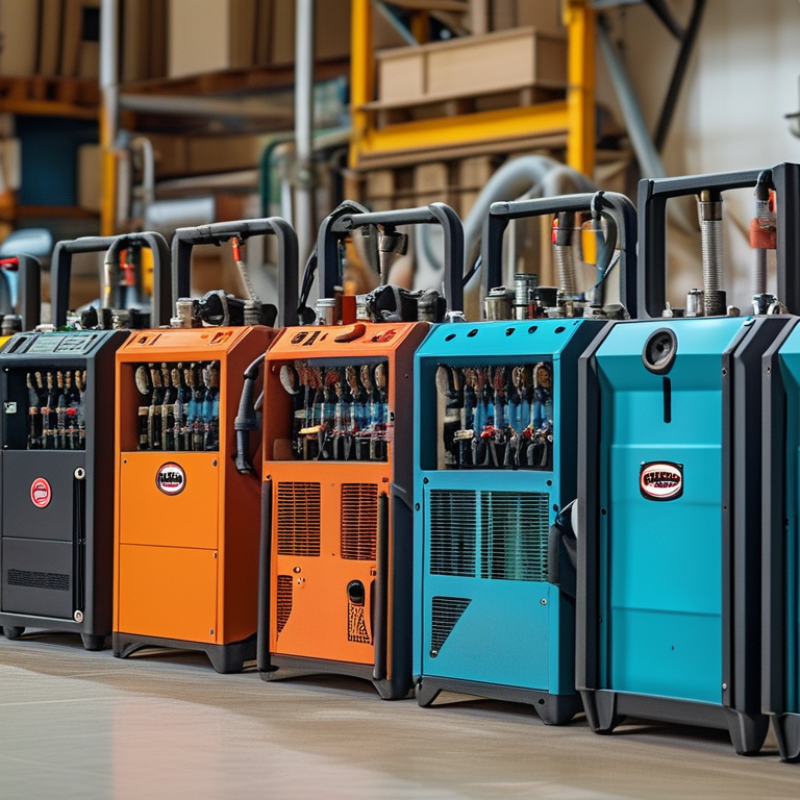
Understanding Different Types of Compressors and Their Applications
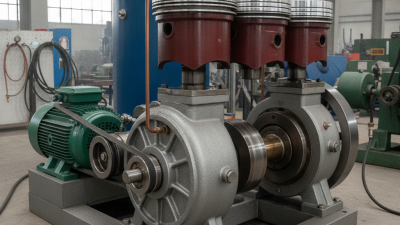
When selecting a compressor, understanding the types is crucial. Air compressors are popular for various applications. They come in two primary categories: positive displacement and dynamic compressors. According to industry data, positive displacement compressors account for around 60% of the global air compressor market. They offer reliable performance and are ideal for small-scale operations, such as inflating tires or powering pneumatic tools.
Dynamic compressors, on the other hand, are used in large-scale applications. They utilize rotating components to compress air. These compressors, including centrifugal models, dominate heavy industries. They provide consistent airflow and high efficiency, making them suitable for manufacturing plants and HVAC systems. Reports indicate that the demand for dynamic compressors is rising, reflecting the growth in industrial activities worldwide.
Choosing the right compressor involves assessing your specific needs. Factors to consider include air pressure requirements, volume of air, and available space. Each type of compressor presents unique advantages and challenges. Assessing these factors can prevent costly mistakes in equipment selection. Balancing power and efficiency is essential for optimal performance. Ultimately, understanding these compressors and their applications helps in making an informed choice.
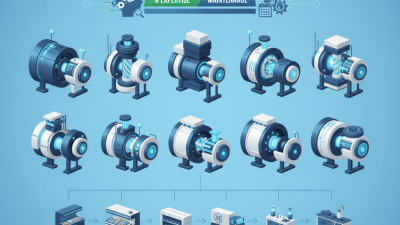
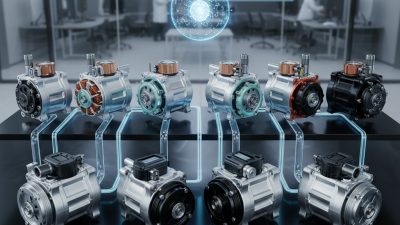
Comparison of Different Types of Compressors
Identifying Your Specific Requirements for Air Compression
When selecting a compressor, understanding your specific requirements is crucial. Begin by assessing the types of tasks you plan to tackle.
For example, will you use it for power tools, painting, or inflating tires? Each application demands different air pressures and capacities. Knowing these needs sets the foundation for making an informed choice.
Consider the airflow needs, measured in CFM (cubic feet per minute). High-demand tools need more airflow. Smaller projects might require less. Take note of the noise level as well.
Some compressors can be quite loud, which may be unsuitable for residential areas.
Tips: Always check the compressor’s duty cycle. This indicates how long it can operate before needing a break. Look for features that enhance versatility. A portable model, for instance, could be beneficial for various settings. Don't forget to reflect on power sources. Electric and gas-powered options each come with advantages and drawbacks. Choosing the right one can significantly impact your workflow.
Key Features to Consider When Selecting a Compressor
When selecting a compressor, understanding key features is essential.
Begin with the compressor type.
Different types cater to various needs. For instance, a reciprocating compressor
works well for small-scale applications. In contrast, rotary screw compressors
are ideal for continuous, heavy-duty tasks.
Next, consider the power output. Measure it carefully.
Too little power might not fulfill your requirements, while too much can waste energy.
The capacity of the tank is another critical factor.
A larger tank can store more air, allowing for extended use without frequent cycling.
Noise level is often overlooked, yet it affects usage comfort.
Some compressors operate quietly, while others can be quite loud.
Assess your workspace carefully.
Also, think about maintenance needs. Some compressors require frequent upkeep, which can be time-consuming.
Reflect on how much time you're willing to invest in maintenance versus usage efficiency.
All these elements shape your final decision when choosing the right compressor for your needs.
Assessing Energy Efficiency and Operational Costs
When selecting a compressor, energy efficiency is a critical factor. It directly impacts your operational costs. Consider how often you will use the compressor and for what purpose. A compressor that uses less energy can save you money in the long run.
Tips: Look for models with high Energy Star ratings. These compressors often consume less electricity while maintaining performance.
Another important factor is the compressor's duty cycle. A unit that runs continuously may produce higher costs due to energy consumption. Evaluate the workload expected in your application. Sometimes a smaller, less powerful compressor could meet your needs perfectly.
Tips: Regular maintenance can also enhance efficiency. Clean filters and inspect for leaks to ensure optimal performance. This action can prevent unnecessary expenses and prolong the compressor's lifespan.
Don't ignore your local climate. A compressor may work less efficiently in extreme temperatures. Research how temperature fluctuations affect performance before making a purchase. Balancing these elements ensures you find a compressor that meets your energy needs without overshooting your budget.
Evaluating Brand Reputation and Customer Support Options
When choosing a compressor, brand reputation is crucial. This reflects not only quality but also customer satisfaction. A well-regarded brand often signifies reliable performance. Customers value brands with consistent reviews, as these indicate trustworthiness. Checking independent review sites can provide insight into user experiences. This research leads to informed decisions.
Customer support options are equally important. A responsive support team can make a difference during issues. Look for brands that offer multiple communication channels, such as phone and chat. Timely assistance can resolve problems quickly. Companies with strong after-sales service tend to build loyal customers. This loyalty often stems from positive support interactions.
Consider warranties and service plans too. A strong warranty indicates confidence in the product. Reflect on experiences when issues arise, and assess how support handled them. Brands that effectively address concerns often gain a solid reputation. Taking time to evaluate these factors can enhance your compressor purchasing experience.