Top 10 Benefits of Piston Compressors for Industrial Applications?
In industrial settings, reliability and efficiency are paramount. The Piston Compressor stands out as a vital tool in various applications. Its ability to generate high pressure makes it essential for tasks like powering machinery and tools. Many industries rely on this technology for consistent performance.
Piston Compressors gain popularity due to their straightforward design and durability. Unlike rotary compressors, they use a piston-driven mechanism, which can be more robust for heavy-duty operations. This efficiency often translates into cost savings, as businesses require less maintenance.
While the benefits are compelling, users must also consider some drawbacks. Noise levels can be high, which may not suit all environments. Additionally, energy consumption can be significant, particularly in large operations. Reflecting on these aspects is crucial for optimizing performance. Overall, the Piston Compressor offers a mix of advantages that can greatly enhance industrial efficiency.
Key Characteristics of Piston Compressors in Industrial Settings
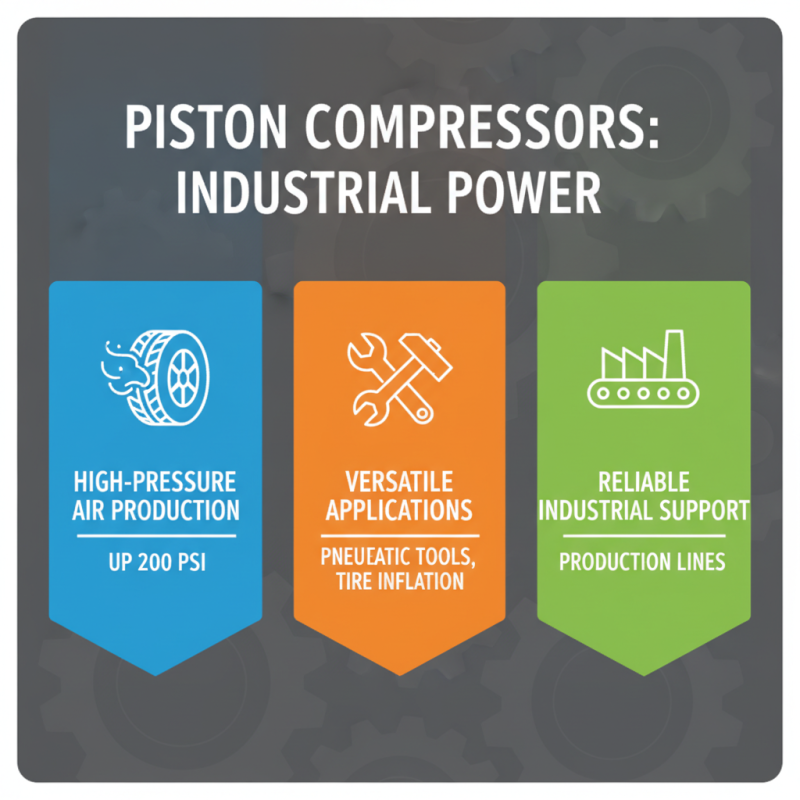
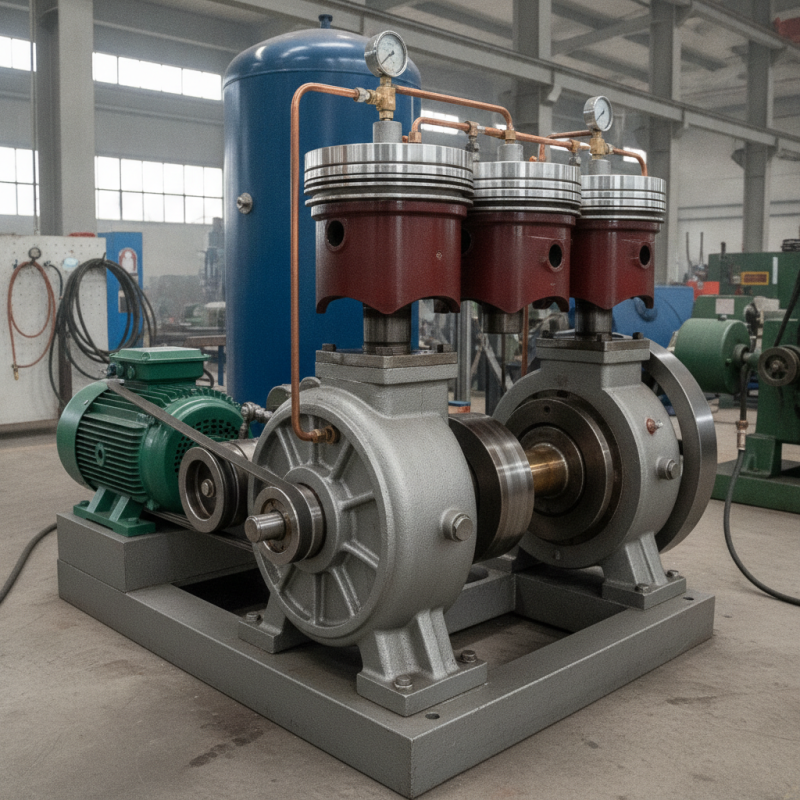
Piston compressors are vital in various industrial settings. They excel in producing high-pressure air, making them suitable for demanding operations. Their design allows them to handle tasks like inflating tires, powering pneumatic tools, and supporting production lines. According to industry reports, piston compressors can achieve pressure levels up to 200 psi, ensuring reliability in critical applications.
One key characteristic of these compressors is their durability. They often feature heavy-duty components, which contribute to their long lifespan. A study from the Compressor Industry Association indicates that well-maintained piston compressors can operate effectively for over 15,000 hours. This reliability can reduce operational downtime, but it requires regular maintenance practices that some facilities might overlook.
Energy efficiency is another crucial aspect. While piston compressors are efficient, large applications can lead to high energy costs. Reports show that up to 30% of energy can be saved with the right control systems. However, not all facilities utilize these advanced controls, leading to wasted energy and increased expenses. This inconsistency highlights the need for continuous assessment and improvement within industrial environments.
Enhanced Efficiency and Performance in Piston Compressors
Piston compressors have become essential in industrial applications, known for their enhanced efficiency and performance. According to a report by the International Energy Agency, industrial sectors alone account for approximately 54% of global energy consumption. This statistic highlights the importance of optimizing energy use. Piston compressors stand out due to their ability to provide consistent pressure and reliability, even in demanding environments.
The technology behind piston compressors allows for higher compression ratios and improved volumetric efficiency. Research indicates that these compressors can achieve efficiencies up to 90%, markedly improving operational performance. They operate on the principle of positive displacement, which enables them to deliver a steady airflow. This stability is crucial in applications that require constant pressure, such as manufacturing and material handling.
Despite their advantages, piston compressors can be prone to wear and tear over time. is necessary to ensure optimal performance. While many facilities benefit from their reliability, improper installation may lead to inefficiencies. Regular assessment and fine-tuning can help mitigate potential issues, ensuring that facilities maximize their operational capacity.
Durability and Longevity of Piston Compressors for Heavy-Duty Use
Piston compressors are known for their exceptional durability and longevity, making them ideal for heavy-duty industrial use. According to industry reports, piston compressors can operate for over 15,000 hours before requiring major maintenance. This reliability stems from their robust construction and ability to handle high-pressure tasks, a crucial factor in settings like manufacturing plants and construction sites.
The durability of piston compressors often translates into lower operating costs. Many facilities report a significant reduction in downtime because these machines can withstand harsh conditions. Data indicates that organizations using piston compressors experience up to 25% fewer breakdowns compared to rotary options. This reliability ensures consistent production rates. However, it is vital to perform regular check-ups to maintain optimal performance.
Operating in extreme environments can challenge even the most robust compressors. Factors such as temperature fluctuations and dust accumulation may affect their performance. Companies must recognize these elements to ensure longevity. Regular maintenance routines, including oil changes and filter replacements, are essential for sustained functionality. Investing in proper care for piston compressors amplifies their operational lifespan, maximizing productivity in demanding industrial applications.
Cost-Effectiveness and Maintenance Benefits of Piston Compressors
Piston compressors are highly valued in industrial settings for their cost-effectiveness. They deliver reliable air compression, making them ideal for various applications. The initial investment is often lower than other compressor types. Over time, they require less maintenance, which can significantly reduce operational costs. This translates to savings for businesses that rely on continuous compressed air systems.
Maintenance benefits are crucial in a busy industrial environment. Piston compressors are designed for durability. Routine checks are straightforward, which simplifies the process. Many users report fewer breakdowns with these systems. This reliability minimizes downtime. However, they can display wear and tear over time. Regular upkeep is necessary to avoid performance issues.
While piston compressors are efficient, they are not without their challenges. Noise can be a concern in certain settings. Some operators find they need to address this through soundproofing solutions. Additionally, the systems can generate heat, requiring adequate ventilation. Understanding these nuances can help businesses optimize their use of piston compressors effectively.
Top 10 Benefits of Piston Compressors for Industrial Applications
| Benefit |
Description |
Estimated Cost Savings (%) |
Maintenance Frequency (Months) |
| Cost-Effectiveness |
Piston compressors are typically more affordable to purchase and install compared to other types. |
20% |
12 |
| Energy Efficiency |
They often consume less energy for the same output, leading to lower utility bills. |
15% |
6 |
| Low Maintenance Costs |
Piston compressors require less frequent servicing, reducing maintenance time and costs. |
10% |
18 |
| Durability |
Built to withstand heavy use, these compressors have long operational lifespans. |
N/A |
24 |
| Versatility |
They can be used in various industrial applications, from automotive to construction. |
N/A |
12 |
| Simplicity of Design |
Piston compressors have a straightforward design, making them easier to operate. |
N/A |
24 |
| Compact Size |
They are often smaller and more portable than other compressor types, saving space. |
N/A |
12 |
| High Performance |
Piston compressors provide consistent pressure and high output suitable for demanding applications. |
N/A |
9 |
| Reduced Noise Levels |
Modern piston compressors are designed to operate more quietly, improving workplace conditions. |
N/A |
12 |
Versatility of Piston Compressors Across Various Industrial Applications
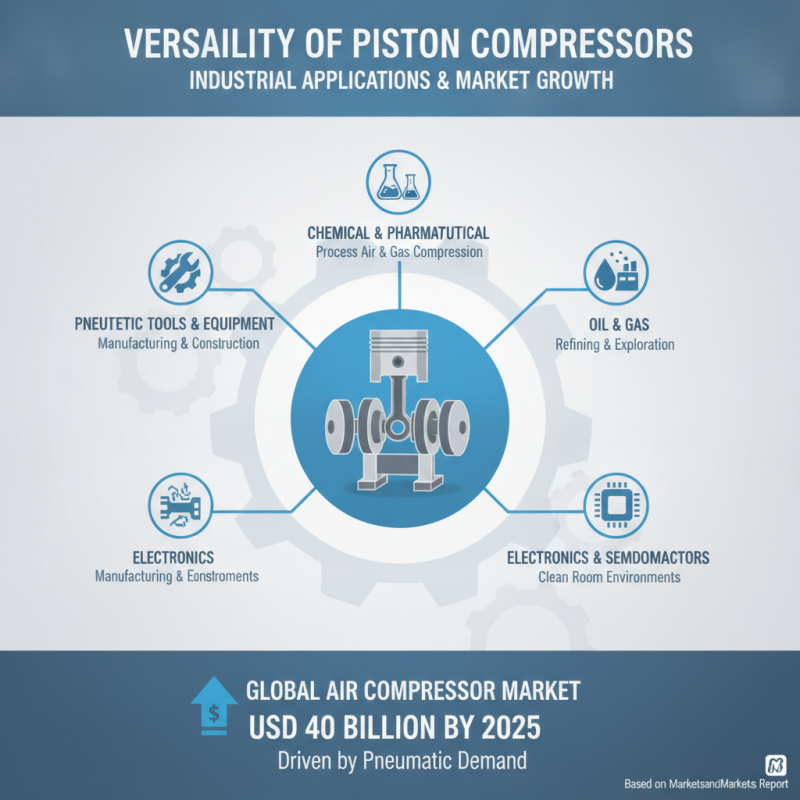
Piston compressors are essential in many industrial settings. Their versatility allows for a wide range of applications, making them a preferred choice in numerous sectors. According to a report by MarketsandMarkets, the global air compressor market is expected to reach USD 40 billion by 2025, largely driven by the increasing demand for pneumatic tools and equipment.
These compressors can deliver high pressure efficiently. They are commonly used in manufacturing, automotive, and construction industries. For instance, in manufacturing environments, they provide compressed air for powering machinery and tools. A recent study indicated that nearly 70% of manufacturing firms rely on compressed air systems to optimize productivity and reduce downtime. Additionally, their ability to work in harsh conditions is noteworthy, making them suitable for construction sites where reliability is crucial.
Despite their strengths, piston compressors can present some drawbacks. They typically require more maintenance than rotary screw compressors. Users must regularly check oil levels and replace worn parts. This necessity can lead to operational inefficiencies if overlooked. Moreover, while they are reliable, the noise levels generated during operation can be a concern in quieter industrial environments. Balancing these factors is key for industries aiming to maximize their efficiency and performance.