10 Essential Tips for Choosing the Right Bitzer Piston Compressor
Choosing the right Bitzer Piston Compressor is crucial for optimal performance. Many industries rely on compressors for efficiency and reliability. According to a recent industry report, the global compressor market is expected to reach $35 billion by 2025, highlighting the importance of selecting quality equipment.
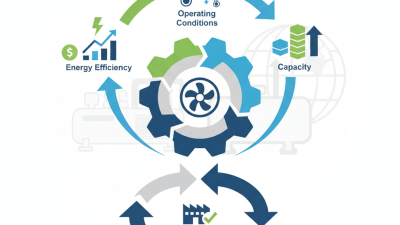
Bitzer Piston Compressors are renowned for their energy efficiency and durability. They can reduce operating costs significantly. Yet, many users overlook critical factors when making a choice. For instance, understanding the compressor's capacity and application can dramatically impact performance.
In practice, some companies face challenges with noise levels or maintenance frequency due to poor selection. Industry experts suggest that a thorough assessment of requirements can prevent such issues. Ultimately, making an informed choice can lead to long-term satisfaction and reliability in your operations.
Importance of Compression Ratio in Bitzer Piston Compressors
The compression ratio is a critical factor in Bitzer piston compressors. It directly influences the efficiency and performance of the system. A higher compression ratio can lead to more efficient cooling. However, this doesn't come without challenges. Too high of a ratio might strain the compressor, leading to increased wear and possible failure.
When selecting a Bitzer piston compressor, it's essential to consider the specific application. Understand the cooling requirements of your system. This knowledge helps you make informed decisions on the appropriate compression ratio. Additionally, ensure that the compressor fits your operational needs to avoid overworking the unit.
Tip: Always assess the refrigerant type. Different refrigerants work better with specific compression ratios. Another tip is to evaluate the ambient conditions. High ambient temperatures may require adjustments to your chosen compressor. Lastly, involve professionals in your selection process. Their expertise can guide you in achieving optimal performance while ensuring reliability.
Compression Ratio Analysis of Piston Compressors
This bar chart illustrates the compression ratios of four different piston compressors. Understanding these ratios is essential for selecting the right compressor, as it directly affects performance and efficiency.
Understanding the Different Types of Bitzer Piston Compressors
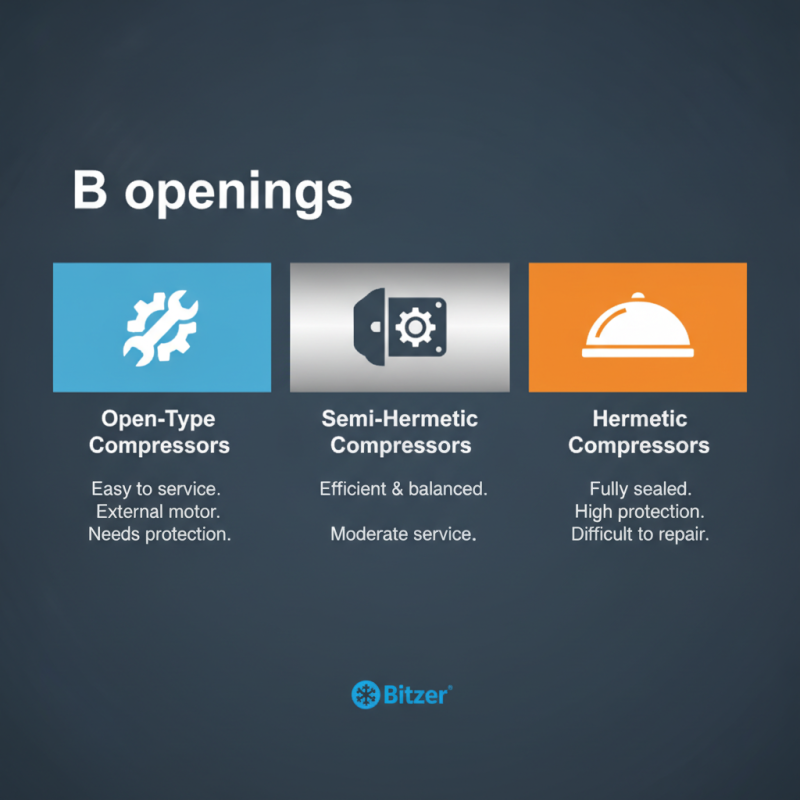
When choosing a Bitzer piston compressor, it's crucial to understand the various types available. The most common types include open-type, semi-hermetic, and hermetic compressors. Each has distinct features and performance profiles. Open-type compressors often offer easy serviceability. However, they require additional safeguards against environmental factors. Semi-hermetic models balance efficiency with ease of maintenance. They are suitable for a variety of applications but can be more complex to service. Hermetic compressors are fully sealed units, providing excellent protection against moisture and contamination. Yet, once installed, they may be difficult to access for repairs.
Tip: Assess your operational needs before selecting a type. Consider factors like efficiency, serviceability, and operating environment. A detailed analysis can prevent costly mistakes.
Moreover, focusing on performance metrics is equally vital. Compressors are rated based on efficiency ratios. A report by the International Institute of Refrigeration notes that compressors can vary in efficiency by up to 10% depending on their design and operating conditions. This underscores the need for thorough research.
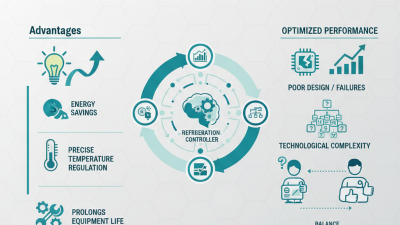
Tip: Look for compressors that offer energy-efficient performance. Energy savings can significantly impact long-term operational costs. An improper choice may lead to higher energy bills, which should not be overlooked.
Ultimately, selecting the right Bitzer piston compressor involves understanding your specific requirements and carefully evaluating your options against expert insights. Making informed decisions can lead to enhanced reliability and operational efficiency.
Key Specifications to Consider for Efficiency and Performance
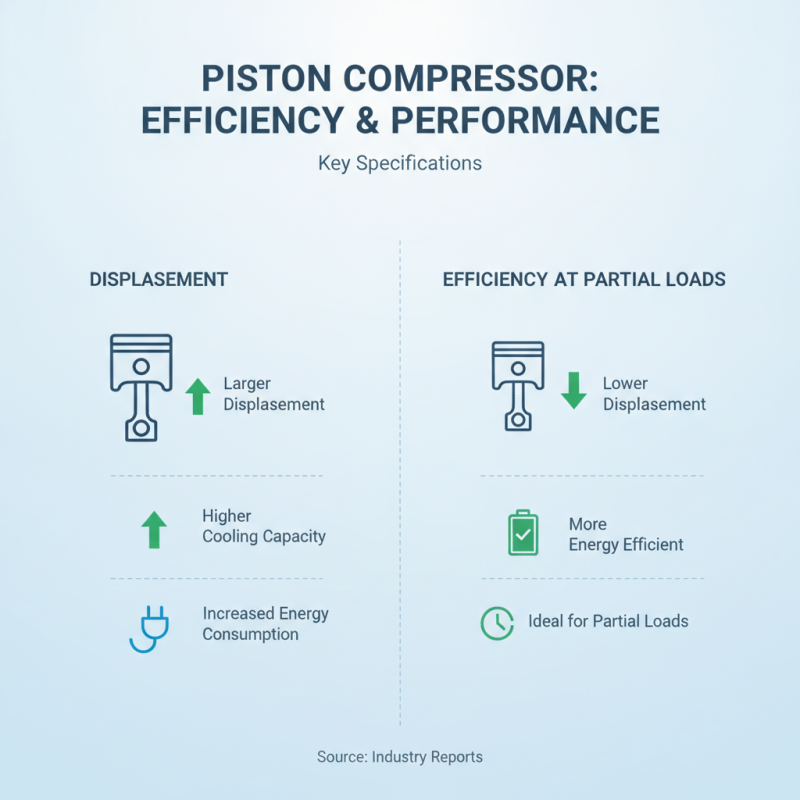
When selecting a piston compressor, efficiency and performance are paramount. Key specifications can significantly influence your choice. One crucial factor is the compressor's displacement. Larger displacements often yield higher cooling capacities. However, this comes with increased energy consumption. For instance, in industry reports, it has been noted that compressors with lower displacement can operate more efficiently at partial loads.
Another specification to consider is the pressure range. A flexible pressure range allows the compressor to adapt to varying applications. According to data from the HVAC industry, compressors operating within an optimal pressure range can enhance energy efficiency by up to 30%. This can lead to significant cost savings over time.
Finally, evaluate the noise level of the compressor. A quieter unit may be essential for residential or office settings. Many reports indicate that compressors exceeding 70 dB can be disruptive. Investing in models that prioritize low noise can improve workplace comfort.
Tip: Always check the compressor's efficiency ratio. A higher ratio often indicates better performance. An informed selection based on these specifications ensures a balance between energy consumption and operational output.
Impact of Ambient Conditions on Compressor Selection
When selecting a piston compressor, ambient conditions play a vital role. Factors like temperature and humidity can greatly impact performance. In high heat environments, a compressor may overheat. Proper heat management is crucial. Consider how these elements will affect energy efficiency.
Tip 1: Assess maximum and minimum temperatures in your location. This helps in choosing a compressor suited for these extremes. Look for models designed for such conditions.
New projects often overlook humidity levels. High humidity can lead to moisture build-up. This excess can damage internal components over time. Tip 2: Evaluate your site’s humidity. It influences choices in compressor materials and features.
Lastly, always consider altitude. Increased elevation may require specific adjustments. Compressors can lose efficiency due to thinner air. Tip 3: Conduct a thorough site evaluation. This ensures you select a unit capable of overcoming such challenges. Your choices today will influence performance tomorrow.
Maintenance and Support Services for Bitzer Piston Compressors
Regular maintenance of piston compressors is crucial for optimal performance. These machines can face various challenges, such as wear and tear on components. Over time, dirt and contaminants can accumulate, affecting efficiency. Scheduled check-ups can help identify issues early and prevent costly breakdowns.
Support services play an important role as well. Trained technicians can provide insights into specific needs and potential upgrades. They understand the nuances of compressor operation. It’s essential to choose a service provider with a solid track record. A reliable partner can make a significant difference in longevity and performance.
Consider the availability of spare parts and support. Unexpected failures can lead to downtime. It’s vital to ensure that spare parts are easily accessible. This can reduce repair times and enhance reliability. Lastly, always keep learning about your compressor's needs. Staying informed allows for better decision-making in maintenance and support practices.
10 Essential Tips for Choosing the Right Bitzer Piston Compressor - Maintenance and Support Services for Bitzer Piston Compressors
| Tip Number |
Tip |
Description |
Maintenance Frequency |
Support Services |
| 1 |
Understand Your Needs |
Assess the cooling requirements and operational environment. |
Annually |
Consultation Services |
| 2 |
Consider Compressor Capacity |
Choose the right capacity based on the operational load. |
Every 6 months |
Performance Analysis |
| 3 |
Check Energy Efficiency |
Select models that comply with energy efficiency standards. |
Every 3 months |
Efficiency Audits |
| 4 |
Evaluate Installation Options |
Consider space and accessibility for installation. |
Prior to installation |
Installation Services |
| 5 |
Look for After-Sales Support |
Choose suppliers that provide ongoing support. |
Ongoing |
Customer Support |
| 6 |
Assess Warranty Options |
Understand warranty terms and conditions. |
At purchase |
Warranty Services |
| 7 |
Review Maintenance Guidelines |
Follow manufacturer maintenance schedules for optimal performance. |
Bi-monthly |
Maintenance Guides |
| 8 |
Seek Recommendations |
Gather feedback from existing users about their experiences. |
Annual review |
User Feedback |
| 9 |
Evaluate Control Systems |
Consider advanced control systems for efficiency. |
As needed |
Control System Support |
| 10 |
Plan for Future Needs |
Choose equipment that allows for scalability. |
Every 5 years |
Future Planning Services |