What is a Hermetic Compressor and How Does It Work?
A hermetic compressor is a vital component in modern refrigeration and air conditioning systems. Experts in the field, like Dr. Emily Johnson, have emphasized its importance, stating, "Hermetic compressors are the backbone of efficient cooling solutions." Understanding how a hermetic compressor works can help us appreciate its role in energy management and environmental sustainability.
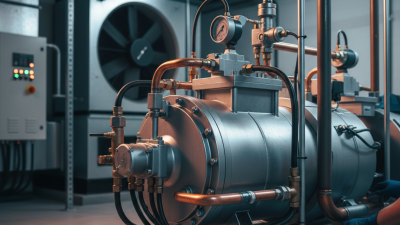
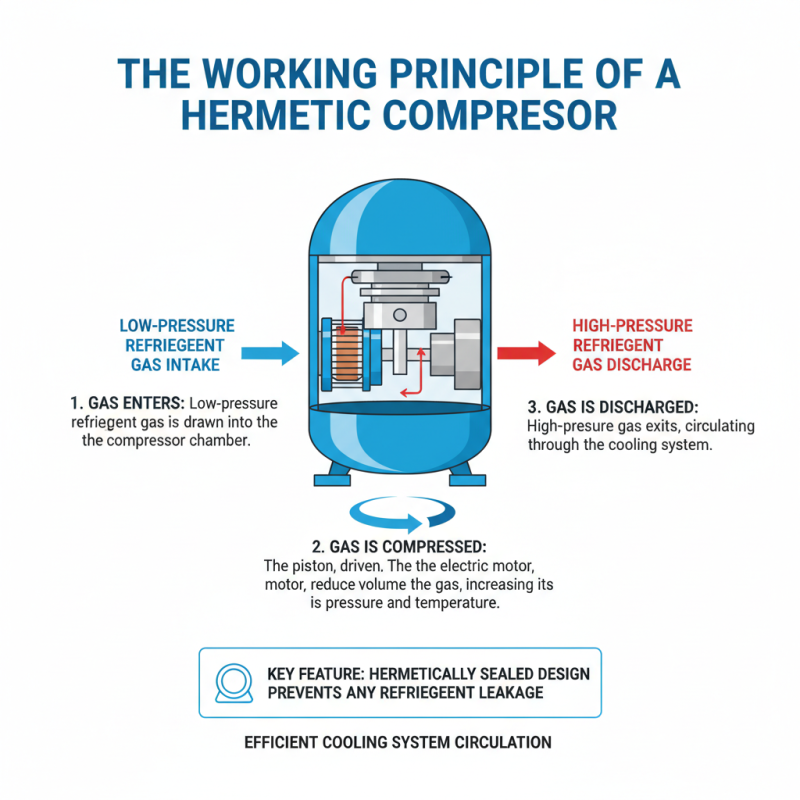
These compressors operate within a sealed unit, preventing any refrigerant leaks. This design not only improves efficiency but also enhances reliability. A hermetic compressor typically contains a motor and pumping mechanism, all housed within a single casing. The assembly eliminates many common issues found in other compressor types, such as noise and maintenance challenges. However, this also means that repairs can be more complicated.
While hermetic compressors excel in certain applications, they are not without limitations. Sizing them correctly for specific tasks is crucial. An oversized unit can waste energy, while an undersized one may fail to provide adequate cooling. Recognizing these pitfalls can lead to better choices in refrigeration technology. Thus, continual research and development in hermetic compressor design are necessary for optimization.
Definition of a Hermetic Compressor and Its Applications
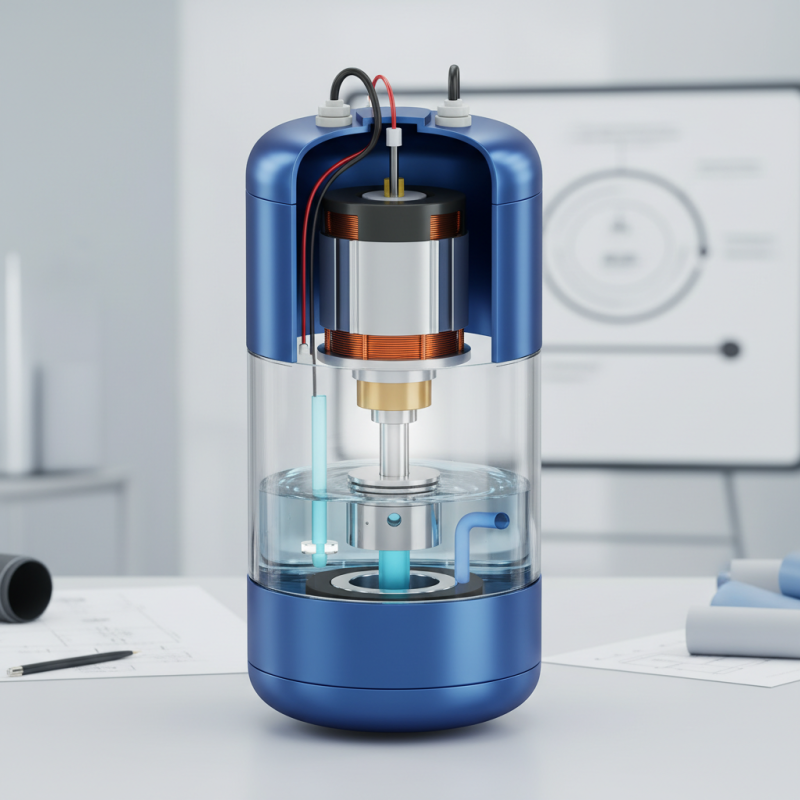
A hermetic compressor is a closed system commonly used in refrigeration and air conditioning. These compressors are sealed to prevent any refrigerant leaks. The design offers a higher level of efficiency and reliability compared to non-hermetic compressors. According to the International Institute of Refrigeration, the global hermetic compressor market is expected to reach $12 billion by 2025, highlighting its growing importance in various applications.
Hermetic compressors play a crucial role in commercial and residential cooling systems. They are widely utilized in refrigerators, freezers, and HVAC systems. Their compact size and efficiency make them suitable for various environments, including restaurants and supermarkets. However, challenges remain. The hermetic sealing can limit repair options, making replacement necessary, which raises concerns about environmental impact.
Moreover, as energy efficiency standards tighten worldwide, manufacturers are under pressure to improve performance. There's a need for innovation in compressor design to enhance longevity and reduce emissions. Reports indicate that up to 30% of energy consumed in commercial cooling systems is due to inefficient compressors. This presents an area for potential improvement and a chance for companies to rethink their approach to compressor technology.
Applications of Hermetic Compressors
Hermetic compressors are widely utilized in various applications, with the majority of their usage seen in refrigeration systems, followed by air conditioning and heat pumps. This bar chart illustrates the percentage of usage across different sectors, showcasing their versatility and importance in modern cooling technologies.
Components of a Hermetic Compressor and Their Functions
A hermetic compressor plays a crucial role in refrigeration and air conditioning systems. Its design ensures that the internal components remain sealed from external elements. This sealed environment prevents contamination and enhances durability, making it a reliable choice for various applications. Understanding its components is essential for appreciating how the compressor functions effectively.
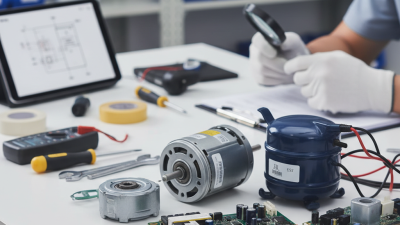
At the heart of the hermetic compressor is the motor. It provides the necessary power to compress refrigerant gas. The motor is connected directly to the compressor's crankshaft. This configuration avoids the need for additional fittings, reducing the risk of leaks. The compressor also has a cylinder, where the actual compression of the refrigerant takes place. Inside the cylinder, pistons move up and down, driven by the crankshaft's rotation. This movement compresses the refrigerant, raising its pressure and temperature.
Another key component is the valves. They control the flow of refrigerant in and out of the cylinder. Proper functioning of these valves is vital. If they malfunction, the compressor could face significant efficiency issues. Additionally, thermal protection devices monitor the compressor's temperature, preventing overheating. Yet, not every hermetic compressor is perfect. Some may struggle with noise levels or mechanical failures. Regular maintenance can help mitigate these challenges and ensure optimal performance.
Advantages of Using Hermetic Compressors in Refrigeration Systems
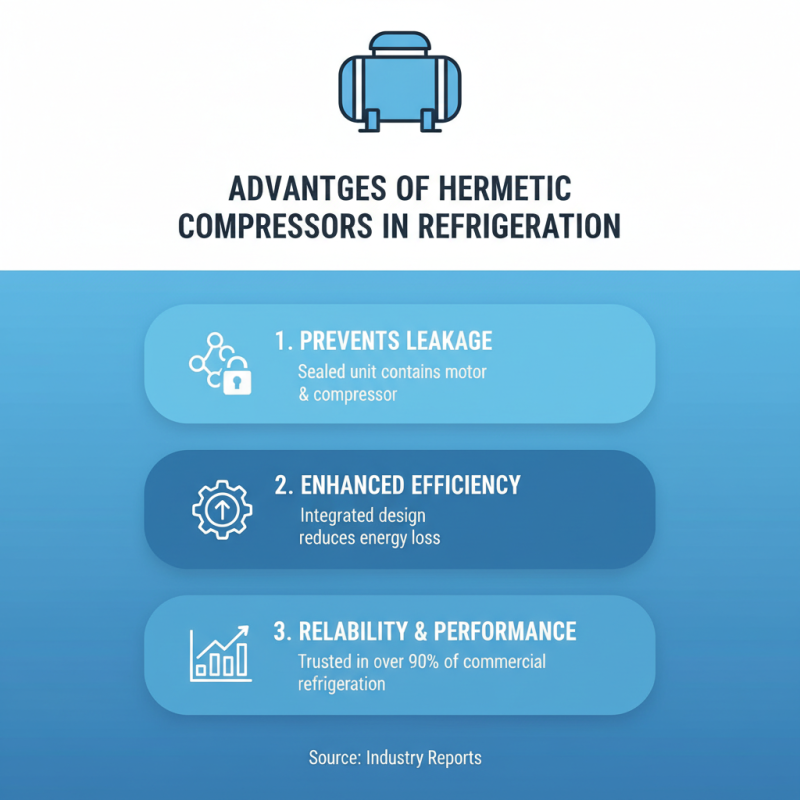
Hermetic compressors play a crucial role in refrigeration systems. They are sealed units that contain both the motor and the compressor in a single shell. This design prevents refrigerant leakage, enhancing efficiency. According to industry reports, more than 90% of commercial refrigeration equipment utilizes hermetic compressors for their reliability and performance.
One key advantage of hermetic compressors is their energy efficiency. A study published by the International Institute of Refrigeration showed that hermetic systems can reduce energy consumption by up to 25% compared to other compressor types. This efficiency not only lowers operational costs but also lessens environmental impact. Users benefit from extended service life, as these compressors are less prone to contamination.
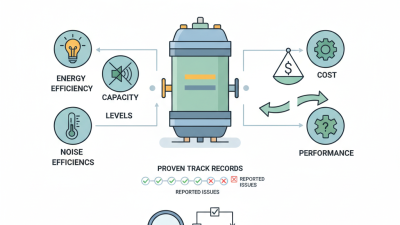
Another consideration is noise reduction. Hermetic compressors typically operate quieter than their open counterparts. This makes them suitable for use in residential or commercial settings where noise levels are a concern. However, some users must acknowledge that maintenance can be complicated. Repairing a hermetic compressor often means replacing the entire unit, which can be a significant drawback for some applications. It's essential to weigh these aspects carefully when choosing a refrigeration system.
Common Issues and Maintenance Tips for Hermetic Compressors
Hermetic compressors are vital in refrigeration and air conditioning systems. However, they are not without issues. Common problems include overheating, oil leaks, and frequent cycling. These issues often arise from improper maintenance or environmental factors. Overheating can result from excessive dirt accumulation or inadequate ventilation. Regular cleaning and ensuring proper airflow are crucial for optimal performance.
Another common concern is oil leakage. This may indicate seal failure or excessive wear. Regular checks of seals and routine oil level assessments are essential. It's vital to address these leaks promptly to prevent more severe damage. Additionally, unusual noise can signal mechanical wear or component failure. Conducting routine inspections can help catch these warning signs early.
Although many users may neglect periodic maintenance, it's essential for the longevity of hermetic compressors. Creating a maintenance schedule can help avoid issues. Many overlook the importance of regular inspections. Investing time in maintenance can save significant repair costs down the road. Failing to do so may lead to increased energy consumption. Responsible operation and a commitment to upkeep will enhance efficiency and lifespan.