Choosing the right Hitachi Compressor requires more than comparing prices or horsepower figures. The compressor must suit the cooling load, refrigerant, voltage, ambient temperature, and operating schedule. A unit installed in a supermarket faces different demands from one serving a small office. The difference matters.
Start with the actual application. Record the required capacity, suction temperature, discharge conditions, and expected running hours. Check the manufacturer’s technical documentation before making assumptions. Hitachi’s official specifications can clarify performance ranges, electrical requirements, noise levels, and compatible refrigerants. These details help prevent costly mismatches.
Look beyond the nameplate. A compressor may appear powerful, yet operate inefficiently under real conditions. An oversized model can cycle frequently, while an undersized model may run continuously. Neither outcome is ideal. Small details matter.
Installation quality also affects reliability. Proper piping, oil management, ventilation, vibration control, and electrical protection should be reviewed by a qualified technician. Service access deserves attention too. A unit that is difficult to inspect can create avoidable maintenance delays. Genuine replacement parts and clear warranty terms add further confidence.
Practical experience often reveals issues that a catalogue cannot show. For example, a compact plant room may amplify vibration or restrict airflow. A neat spreadsheet can still miss that. The final choice should balance capacity, efficiency, durability, availability, and lifecycle cost. It is wise to compare measured operating conditions with published data, then reassess the selection before purchase. Even experienced buyers can overlook one variable. Careful verification remains the safest approach.
Choosing the right compressor starts with the required cooling load, measured in kilowatts. AHRI ratings provide a reliable comparison under standardized testing conditions. They commonly show refrigeration capacity, power input, and efficiency. However, these figures are not universal operating results.
Calculate the design load from wall transmission, air infiltration, product heat, lighting, fans, and people. Then add a reasonable allowance for uncertain conditions. A neat spreadsheet can still be wrong. I have seen selections fail because door openings were underestimated. If the calculated load is 18 kW, do not select capacity from a label alone. Check the performance table at the actual evaporating and condensing temperatures. Also verify suction conditions, refrigerant type, voltage, and expected ambient temperature. One refrigeration ton equals approximately 3.517 kW, which helps compare different rating systems. AHRI capacity may be reported at conditions that differ from your site. Apply correction factors from the technical documentation. A small mismatch can cause long running hours, poor temperature control, or excessive cycling. Oversizing is not always safer. The compressor must match the load pattern, especially when demand changes throughout the day. Leave room for engineering judgment. A field review may reveal heat sources that the original calculation missed.
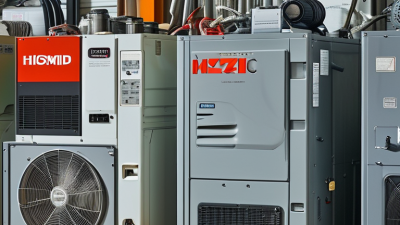
How to Choose the Right Hitachi Compressor?
Match Refrigerant, Displacement, and Pressure Limits to the HVAC System
Selecting a compressor starts with the refrigerant, not the cabinet size. Confirm the refrigerant listed on the system nameplate and compressor data sheet. Different refrigerants create different pressure, oil, and temperature requirements. Using an apparently similar replacement can damage valves or reduce cooling performance. Check this carefully.
Displacement must match the system’s cooling load and operating speed. A larger compressor is not automatically better. It may cycle frequently, draw excessive current, or return too much liquid to the shell. Compare rated capacity at the actual evaporating and condensing temperatures. Field technicians should also inspect suction superheat, discharge temperature, and oil return during commissioning. Small measurement errors matter.
Pressure limits deserve equal attention. Compare the compressor’s maximum working pressure with the system’s high- and low-side conditions, including hot ambient operation. Allow a practical safety margin. The pressure numbers may look acceptable on paper, yet airflow restrictions can raise discharge temperature quickly. That assumption can fail. Review start torque, electrical phase, voltage, and overload protection before installation. A perfect match is not always possible. When specifications conflict, pause and verify the manufacturer’s technical documentation rather than guessing. Record the measured pressures and temperatures after startup; these details make later troubleshooting far easier.
Match the refrigerant, required displacement, and pressure limits to the HVAC system operating conditions.
Approximate saturated pressure at 40°C, shown as bar absolute. These values are refrigerant reference data, not compressor allowable working-pressure ratings.
Use a compressor approved for the selected refrigerant and its oil type. Refrigerant compatibility affects motor cooling, lubrication, and system efficiency.
Select displacement from required cooling capacity, operating speed, evaporating temperature, condensing temperature, and volumetric efficiency—not from refrigerant name alone.
Verify that the compressor, pressure switch, heat exchanger, piping, and safety valve ratings exceed the system design pressures at the expected ambient conditions.
Choosing the right compressor requires more than comparing a single efficiency number. COP measures heating output against electrical input, while EER measures cooling performance under defined test conditions. These figures are useful, but they represent a controlled moment, not a full operating year.
Seasonal efficiency Seasonal efficiency gives a clearer picture. It considers changing outdoor temperatures, part-load operation, cycling, and standby consumption. In a practical comparison, check the rated capacity, refrigerant conditions, test temperature, and input power beside each value.
A compressor with a strong COP may perform poorly during mild weather if its capacity cannot modulate smoothly. Small details matter.
MEPS standards MEPS standards set minimum efficiency requirements for specific equipment categories and markets. The limits are not universal. They can change by country, product type, capacity range, and revision date. Verify the current official MEPS database before selecting equipment. Do not rely only on an old catalogue.
Look for test reports from accredited laboratories and confirm whether the data follows the required local standard. Compare annual energy estimates using your actual climate and operating schedule.
A warehouse running overnight needs different assumptions from a small shop opening eight hours daily. Check the sound level and service access too. Efficiency is not the whole decision.
A spreadsheet can still mislead. Real installations face dirty coils, voltage variation, and poor airflow. Allow room for these imperfections when judging long-term performance.
Choosing the right compressor begins with the site, not the catalog. Record the expected cooling load, ambient temperature, and installation space. Then assess sound levels under normal operating conditions. Measure noise at a fixed distance, with doors and panels in their usual positions. A reading near a quiet office may differ from one beside a loading bay.
Listen for changes, not only loudness. Rattling, pulsing, or a sharp metallic tone can indicate mounting, piping, or bearing problems. Check vibration with a calibrated meter at the compressor feet and connected pipework. Compare readings with the equipment limits and applicable industry guidance. Soft mounts can reduce noise, but they may also allow excessive movement. That trade-off is easy to miss.
Oil compatibility deserves equal attention. Confirm the oil type, viscosity, refrigerant, seals, and expected operating temperature. A suitable oil should return properly through the system and remain stable during startup and shutdown. Dust, high humidity, and long pipe runs can change real site performance. I have seen selections based only on capacity fail during cold starts. That mistake often comes from trusting laboratory data too much. Keep installation records, oil analysis results, and sound measurements together. Field conditions change. Recheck them after commissioning.
Choosing the right compressor begins with the electrical plate, not the catalogue photograph. Confirm rated voltage, frequency, and phase at the installation site. A three-phase motor cannot replace a single-phase unit without redesign. Measure it twice.
NEMA MG 1 recommends keeping voltage unbalance below 1% at motor terminals. Even small deviations can increase heating and reduce service life. Request the locked-rotor current, running current, and recommended protection settings before installation. Starting current may affect breakers, generators, cables, and control panels.
The U.S. Department of Energy, citing International Energy Agency analysis, estimates motor-driven systems consume about 46% of global electricity. This figure makes efficient compressor selection financially important. Compare tested capacity, input power, and operating conditions, rather than relying on nominal horsepower.
Warranty terms also need close inspection. Check coverage length, approved service procedures, labor exclusions, transport costs, and response times. A long warranty can still disappoint when documentation is vague. Real service experience often exposes that gap.
ISO’s 2023 Survey reports more than one million ISO 9001 certificates worldwide. Certification indicates a controlled quality-management system, but it does not guarantee perfect field performance. Ask for the certificate scope, current validity, corrective-action process, and traceability records.
The supplier should explain how electrical tests and final inspections are documented. I would also request references from installations with similar voltage and load conditions. Reports can look complete. Details may still be missing.