What is a Refrigeration Controller and How Does It Work?
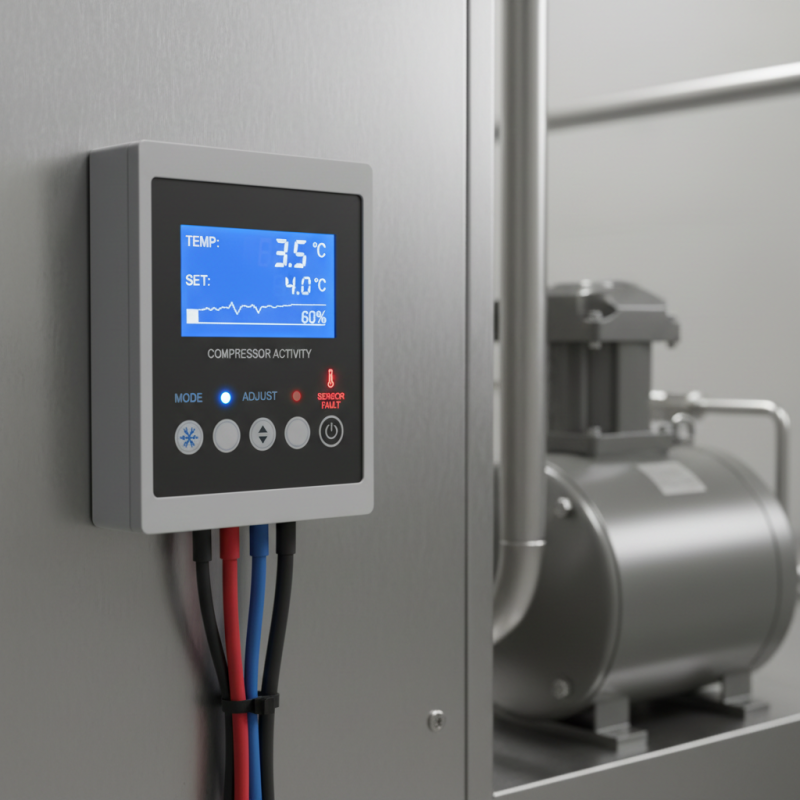
A Refrigeration Controller is a crucial component in modern cooling systems. It ensures that the temperature remains stable, which is vital for various applications, from food storage to industrial processes. These devices monitor temperature and control compressor operation, providing efficiency and reliability.
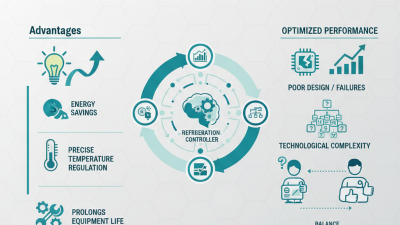
Understanding how a Refrigeration Controller works can improve energy management. The controller uses sensors to detect current conditions. It adjusts the compressor's activity based on this data, optimizing performance. This not only minimizes energy consumption but also prolongs the lifespan of the refrigeration system.
However, imperfections exist in controlling systems. Sometimes, sensors may fail, leading to temperature fluctuations. Users must regularly check and maintain the system to avoid significant issues. A well-functioning Refrigeration Controller is essential for ensuring safety and quality in temperature-sensitive environments.
What is a Refrigeration Controller?
A refrigeration controller is a vital device that regulates temperature and maintains optimal conditions in various cooling systems. Its primary role is to monitor and adjust cooling operations based on the temperature readings from sensors. By maintaining specific temperature thresholds, these controllers ensure that food, pharmaceuticals, and other temperature-sensitive products remain preserved.
When using a refrigeration controller, it's important to regularly check the calibration of the sensors. Miscalibrated sensors can lead to improper cooling, risking spoilage. Periodic maintenance ensures the system operates smoothly and effectively.
Many users overlook system alerts and warnings. Ignoring these can result in major issues, such as equipment failure or compromised goods. Setting up a schedule for regular checks of both the controller and the refrigeration system can mitigate these risks.
Tips for optimizing your refrigeration controller include using high-quality sensors for better accuracy. Invest in controllers with features like data logging, which can help track performance over time. Consider training staff on the importance of monitoring and responding to alerts to enhance overall system reliability.
Key Components of a Refrigeration Controller
A refrigeration controller plays a vital role in maintaining optimal temperatures in refrigeration systems. Its key components include temperature sensors, control algorithms, and actuators. Temperature sensors monitor the current temperature inside the refrigeration unit, providing real-time data. This feedback is crucial for effective temperature regulation.
Control algorithms process the data from the sensors. They determine whether the system needs to cool down or maintain the current temperature. Actuators, responsible for executing these commands, control the compressor, fans, or heaters. Together, these components create a responsive system that adapts to changing conditions and maintains efficiency.
Tips: Regularly check sensor functionality. A faulty sensor can distort readings. Consider investing time in learning about system components to understand performance better. Simple maintenance can go a long way in extending equipment lifespan.
How Refrigeration Controllers Regulate Temperature
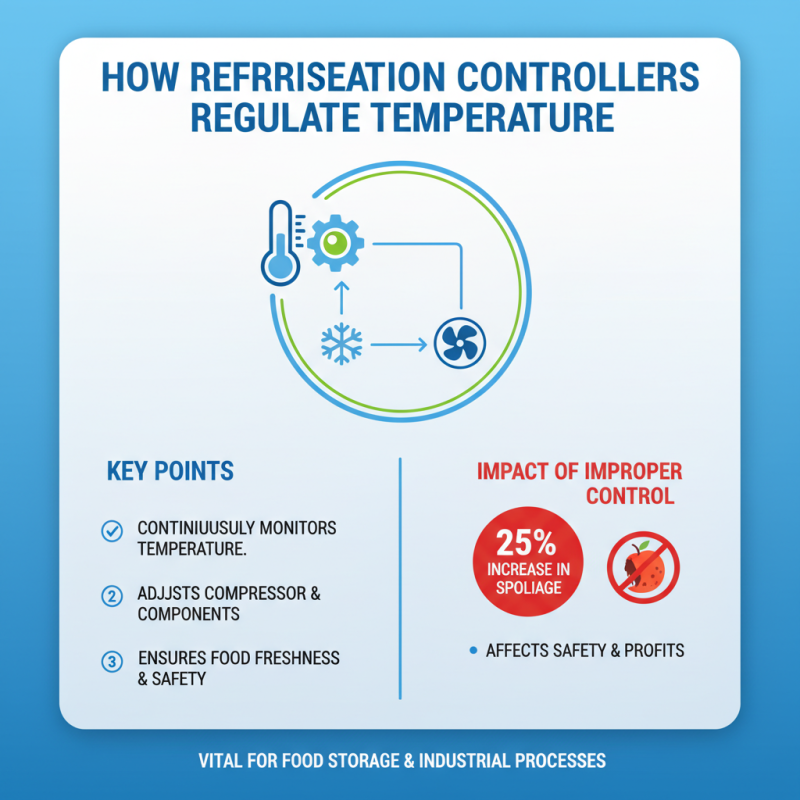
Refrigeration controllers are vital for maintaining specific temperature ranges in various applications, from food storage to industrial processes. They operate by continuously monitoring the temperature of a given space and adjusting the compressor and other components accordingly. This precise regulation ensures that products remain fresh and safe, particularly in the food sector. According to industry data, improper temperature control can lead to a 25% increase in spoilage rates, impacting both safety and profits.
These controllers integrate sensors that detect temperature fluctuations. When a temperature increase is detected, the controller responds by activating the cooling system. This rapid response is critical in preventing spoilage, especially during peak operational hours. Research shows that maintaining a consistent temperature not only boosts food quality but also enhances energy efficiency. In fact, a well-calibrated refrigeration system can use up to 15% less energy than one that is poorly managed.
Despite their importance, many facilities still experience temperature-related issues. Some managers may overlook regular maintenance of controllers, leading to significant financial losses. It’s essential to reflect on the potential for human error in these systems. Monitoring protocols should be routinely evaluated to ensure optimal performance and reliability in refrigeration technology. The balance between efficiency and reliability remains a key challenge in the industry.
Types of Refrigeration Controllers and Their Applications
Refrigeration controllers are essential in various industries. Different types of controllers serve specific needs. For instance, digital controllers offer precise temperature management, crucial in food processing and pharmaceuticals. According to industry reports, about 40% of energy in cold storage facilities stems from inefficient temperature control.
The proportional-integral-derivative (PID) controllers are popular for maintaining steady temperatures. They continuously calculate the error between a desired setpoint and a measured temperature. This accuracy minimizes fluctuations, which can affect product quality. However, these systems can struggle with sudden temperature changes.
Another option is the programmable logic controllers (PLC), known for their versatility. They can integrate various sensors and devices, suitable for complex refrigeration systems. Reports indicate that PLC usage in industrial refrigeration increased by 30% in recent years. Yet, the initial setup costs may deter some businesses. It’s vital to assess the long-term benefits versus upfront investment. Ultimately, selecting the right controller depends on specific applications and energy efficiency goals.
Troubleshooting Common Issues in Refrigeration Controllers
When dealing with refrigeration controllers, troubleshooting can often feel overwhelming. These controllers manage temperatures and ensure efficiency. However, issues can arise that hinder performance. Common problems include erratic temperature control, power failures, or unresponsive displays.
One typical issue is erratic temperature. This could be caused by dirty sensors or faulty wiring. Regular maintenance is essential to prevent this. Be sure to clean sensors routinely to ensure proper readings. Additionally, check the connections for damage or corrosion.
A power failure may occur without warning. In such cases, inspect the power supply and fuses. Sometimes, resetting the controller can resolve minor glitches. If the display is unresponsive, consider a simple reboot. This often restores functionality.
**Tips:** Always keep a maintenance log for your unit. This helps identify patterns in issues. Schedule routine check-ups to catch potential problems early. Taking these small steps can prevent larger issues down the line.
Refrigeration Controller Temperature Trends