Top Refrigeration Parts Buyers Guide for Global Procurement?
In today's fast-paced global market, understanding refrigeration parts is essential for successful procurement. With numerous suppliers and evolving technologies, making informed choices can be challenging. Quality refrigeration parts ensure efficient operation in various industries, from food storage to industrial cooling.
Choosing the right components requires more than just a list of suppliers. It involves analyzing product specifications and sourcing reliable materials. Each region may have unique standards that affect compatibility and performance. The complexities of global sourcing necessitate a strategic approach.
As businesses navigate this landscape, they must reflect on their procurement strategies. Are they prioritizing quality over cost? Are they staying updated with technological advancements? Investing time in research can yield significant benefits. Making informed purchases today can prevent costly mistakes in the future.

Understanding the Refrigeration Parts Market Landscape for Global Buyers
The refrigeration parts market is evolving rapidly. Buyers need to understand current trends to make informed decisions. A report from Grand View Research indicates that the global refrigeration market is expected to reach $40 billion by 2025. This growth highlights the increasing demand for efficient cooling solutions across various sectors.
Understanding the key components is essential. Compressors, evaporators, and condensers are critical parts that influence performance and energy efficiency. According to a study by Technavio, the compressor segment will experience a growth rate of over 5% annually. Such insights help global buyers target their procurement strategies effectively.
Market dynamics are shifting due to sustainability concerns. Many buyers prefer environmentally friendly options. Reports show that refrigerant alternatives are gaining traction. However, not all suppliers offer reliable solutions. Buyers must verify claims to avoid subpar products. This reflection is crucial for ensuring long-term operational success in a competitive landscape.
Key Factors to Consider in Refrigeration Parts Procurement
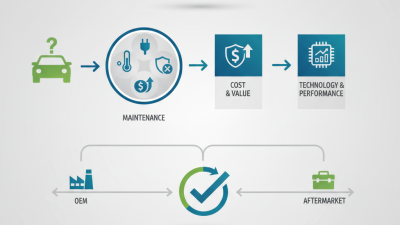
When considering refrigeration parts procurement, several key factors come into play. Quality stands out as a crucial component. High-quality parts ensure reliable performance and longevity. Low-quality options may lead to frequent breakdowns and costly repairs. Performance must align with specific requirements. Each component needs to operate efficiently within the intended system.
Another important factor is cost. While it’s tempting to choose cheaper options, this can backfire. Investing in quality often pays off in the long run. Additionally, suppliers should be evaluated for their reputation and reliability. Researching feedback and reviews can provide insight into their track record. Transparency in sourcing and production practices is also vital.
Lastly, understanding lead times can prevent delays. Suppliers with longer lead times may disrupt operations. Planning procurement schedules to account for this is essential. Reflecting on these factors can lead to better decision-making. A thorough evaluation of quality, cost, supplier reliability, and lead times is necessary for effective procurement.
Essential Types of Refrigeration Parts for Different Applications
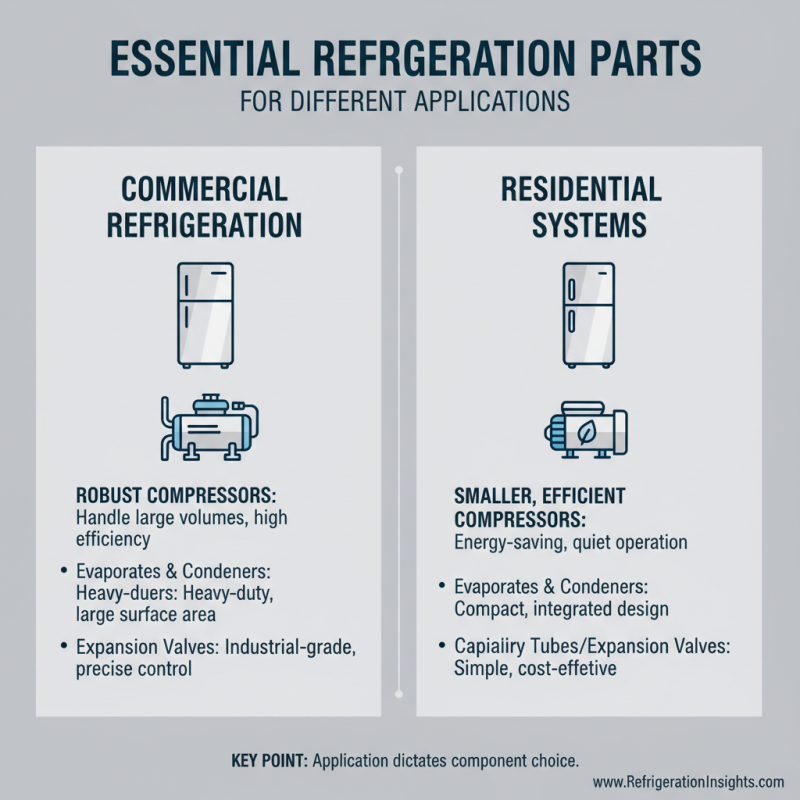
When selecting refrigeration parts, understanding the essential types is crucial. Different applications require specific components. For example, commercial refrigeration often needs robust compressors. These parts handle large volumes and maintain efficiency. In contrast, residential systems may require smaller, more energy-efficient models.
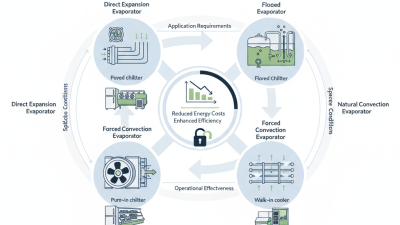
Another critical aspect is evaporators. They are vital in various setups. A walk-in cooler requires a different evaporator compared to a household unit. Pay attention to size and capacity. These choices affect performance and longevity.
**Tip:** Always cross-check specifications before purchase. Compatibility is key.
Condenser coils are also important. They dissipate heat effectively. Using the right materials can enhance efficiency. Copper and aluminum are common. However, aluminum may corrode sooner in harsh conditions.
**Tip:** Consider your operating environment when choosing materials.
Think about compatibility and efficiency. This approach avoids costly mistakes. Each part plays a role in overall performance. A well-informed decision leads to better outcomes.
Evaluating Suppliers and Quality Assurance in Refrigeration Parts
When assessing suppliers for refrigeration parts, quality assurance is critical. Industry reports indicate that approximately 30% of refrigeration failures stem from poor-quality components. This statistic highlights the need for thorough evaluation when selecting suppliers. Understanding the production processes and certifications related to their parts can mitigate risks significantly.
Quality assurance should extend beyond purchasing. Regular audits and performance assessments of suppliers can provide deeper insights into their operational standards. Many companies overlook these steps, leading to higher defect rates and increased downtime. According to a recent study, businesses that implement rigorous quality checks see a 20% reduction in warranty claims.
In the refrigeration industry, precise specifications matter. Components must meet international standards for efficiency and safety. Sloppy procurement can lead to serious implications, from increased energy costs to safety hazards. Engaging in proactive risk assessments can significantly enhance supply chain resilience. However, many procurement teams often sidestep these reflective practices, which can jeopardize long-term operational viability.
Navigating Regulations and Standards in Global Refrigeration Procurement
Navigating regulations and standards in global refrigeration procurement is crucial. Various countries have different compliance requirements. Understanding these standards can prevent costly mistakes. For instance, improper certifications might delay shipments. Buyers must stay informed about local and international guidelines.
Many industries rely heavily on refrigeration parts. This makes compliance even more important. Regulatory bodies often update their standards. Keeping up with these changes can be overwhelming. Effective communication with suppliers is essential to ensure adherence. In some cases, lack of clarity can lead to misunderstandings. Buyers may find themselves in difficult situations if they fail to meet these regulations.
Different regions have unique challenges. Environmental regulations are becoming stricter worldwide. Sustainability standards require companies to adopt eco-friendly practices. This shift can complicate procurement processes. It is vital to develop a robust supply chain strategy. Regular audits can help maintain compliance. However, many companies overlook this aspect. Failure to address such issues can result in penalties and reputational damage.
Global Refrigeration Parts Procurement: Market Share by Region