Demand for efficient cooling and heating is reshaping the global compressor market. The United Nations Environment Programme’s Global Cooling Watch 2023 report projects that cooling capacity needs could more than triple by 2050. It also warns that cooling-related emissions could more than double without stronger efficiency measures. These pressures make component selection consequential.
Heat pumps add another major growth driver. The International Energy Agency’s The Future of Heat Pumps (2022) estimates that heat pump deployment could cut global carbon dioxide emissions by at least 500 million tonnes in 2030 under its Net Zero Emissions scenario. That figure is scenario-based, not a guaranteed outcome. Still, it highlights why buyers assess performance, service support, and product availability alongside price. Details matter.
This guide to the Top 10 Danfoss Scroll Compressor Suppliers Worldwide is intended to help purchasing teams compare potential sources across markets. A supplier may be a manufacturer, an authorized distributor, or an independent seller; those roles are not interchangeable. Check authorization directly with Danfoss, and verify model compatibility, operating conditions, warranty terms, and local technical support before ordering. Product documentation can vary by region, and a listing alone does not prove authorization. That distinction is easy to miss. The selection should be treated as a practical starting point, not a final endorsement of every supplier.
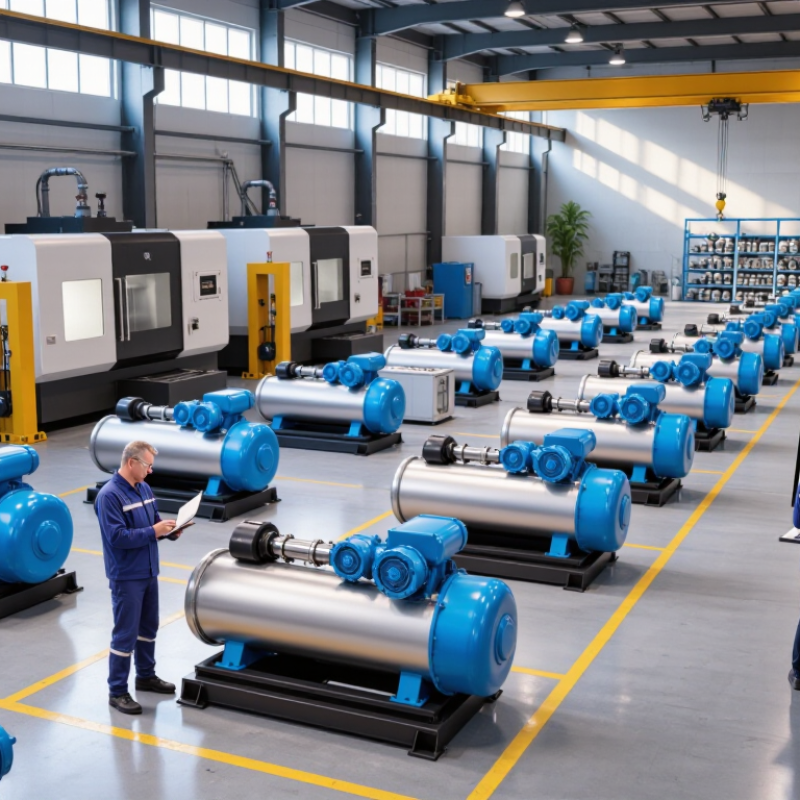
Scroll compressors use two spiral elements: one remains fixed while the other orbits, trapping and compressing refrigerant in progressively smaller pockets. The compact mechanism has few moving parts, which can reduce vibration and simplify equipment design. Variable-speed models adjust output to match changing loads; fixed-speed units run at a set capacity, while tandem arrangements stage capacity across multiple compressors. Selection still depends on refrigerant, pressure range, and operating temperature—not just nominal capacity.
The IEA’s 2018 report, The Future of Cooling, estimates that space cooling uses nearly 10% of global electricity. That makes part-load efficiency and correct system sizing consequential. In practice, a technician checks operating pressures, airflow, and superheat rather than relying on a catalogue figure alone. Small mismatches matter. A unit oversized for a mild day may cycle frequently, while a heat pump in cold weather may need a design suited to lower ambient temperatures. Efficiency is not automatic.
These compressors serve air conditioners, commercial refrigeration equipment, and heat pumps. Some models support vapor injection, which can help maintain heating capacity in colder conditions, subject to system design. Installation details count: clean piping, correct refrigerant charge, and stable oil return protect performance. The hard part is matching the compressor’s operating envelope to real site conditions. Published ratings help, but they do not fully capture dusty coils, long pipe runs, or uneven demand.
The entries below describe anonymized supplier-channel profiles, not named companies or a verified ranking. Availability, product compatibility, and regional coverage should be confirmed directly with each prospective supplier.
| No. | Supplier Channel Profile | Typical Supply Role | Relevant Product Scope | Common Applications | Key Verification Points |
|---|---|---|---|---|---|
| 1 | Manufacturer-direct channel | Supplies new compressors and may provide product documentation and technical support. | New scroll compressors and associated technical information, subject to regional availability. | Commercial air conditioning, heat pumps, and refrigeration systems. | Confirm the exact model, approved refrigerant, operating envelope, electrical configuration, and warranty terms. |
| 2 | Authorized regional distributor | Provides local inventory, order fulfillment, and product support within an assigned territory. | New compressors and, where stocked, compatible replacement components. | HVAC and refrigeration equipment replacement and project supply. | Check authorization status, stock condition, delivery lead time, and documentation for the supplied unit. |
| 3 | Industrial refrigeration wholesaler | Sources refrigeration equipment and components for contractors and system integrators. | Compressors and related refrigeration-system components, depending on catalog coverage. | Cold rooms, food processing, and other commercial or industrial cooling systems. | Verify that the compressor is suitable for the system’s refrigerant, capacity requirements, and operating conditions. |
| 4 | HVAC equipment and parts distributor | Supports contractors with replacement equipment and commonly needed parts. | Scroll compressors and HVAC service components where available. | Building air conditioning, packaged equipment, and heat-pump service. | Match model and electrical specifications to the equipment nameplate and manufacturer documentation. |
| 5 | Refrigeration service-parts supplier | Fulfills parts requirements for maintenance and repair work. | Replacement compressors and service parts; product range varies by supplier. | Retail refrigeration, food storage, and light commercial cooling. | Confirm whether the unit is new, unused, and supplied with traceable product identification and warranty coverage. |
| 6 | System integrator with procurement capability | Selects and sources components as part of a complete system or engineered project. | Compressors selected for a defined system design rather than general-purpose resale. | Custom HVAC systems, heat-pump installations, and engineered refrigeration projects. | Request the design basis, capacity selection, operating limits, and commissioning requirements. |
| 7 | Commercial HVAC contractor and supply channel | Combines equipment sourcing with installation, replacement, or field service. | Replacement compressors and related installation materials for supported equipment. | Commercial buildings, rooftop equipment, and central HVAC systems. | Confirm installation scope, compatibility with the existing system, and responsibility for startup and warranty claims. |
| 8 | Heat-pump equipment specialist | Sources components for heating and cooling systems and may support application selection. | Scroll compressors suitable for specified heat-pump designs, subject to model approval. | Air-source and other vapor-compression heat-pump systems. | Check heating and cooling operating conditions, approved refrigerant, capacity range, and control requirements. |
| 9 | Compressor remanufacturing or repair provider | Offers inspection, repair, or remanufacturing services; new-unit sales may also be available. | Repair or remanufacturing services for eligible units, with scope varying by provider. | Maintenance programs and repair of selected commercial refrigeration or HVAC equipment. | Ask for the work scope, test results, replaced components, warranty conditions, and unit identification details. |
| 10 | International sourcing and export distributor | Coordinates cross-border procurement, shipping, and export documentation. | New compressors or components obtainable through international supply networks. | Projects or replacement needs in markets with limited local inventory. | Verify product origin, import requirements, voltage and frequency compatibility, shipping conditions, and after-sales support. |