10 Best Danfoss Compressor Suppliers for Global Buyers?
Choosing the right Danfoss Compressor supplier can affect cooling performance, maintenance costs, and delivery schedules. Global buyers often compare price first, yet that approach may create expensive problems later. A reliable supplier should provide traceable products, clear model information, and practical technical support. Documentation matters.
This guide examines ten leading Danfoss Compressor suppliers serving international customers. It considers product authenticity, available models, warehouse capacity, warranty terms, export experience, and response quality. Buyers should also check voltage, refrigerant compatibility, displacement, operating temperature, and application requirements. A compressor designed for a supermarket display case may not suit an industrial cold-storage system. Small details matter.
Real purchasing experience shows that dependable suppliers communicate clearly before payment. They confirm serial numbers, packaging condition, lead times, and replacement procedures. Strong suppliers can also explain installation limits without making unrealistic promises. Official distribution channels may offer greater confidence, while experienced independent suppliers can sometimes provide faster sourcing. Neither option is perfect. Buyer priorities differ.
Supplier rankings can change as inventories, certifications, and service teams develop. Therefore, this article should support careful comparison rather than replace technical verification. Readers should request current quotations, inspect compliance documents, and confirm after-sales coverage in their destination country. A low price may look attractive, but unavailable parts can stop an entire cooling system. The best choice balances authenticity, performance, logistics, and long-term support.
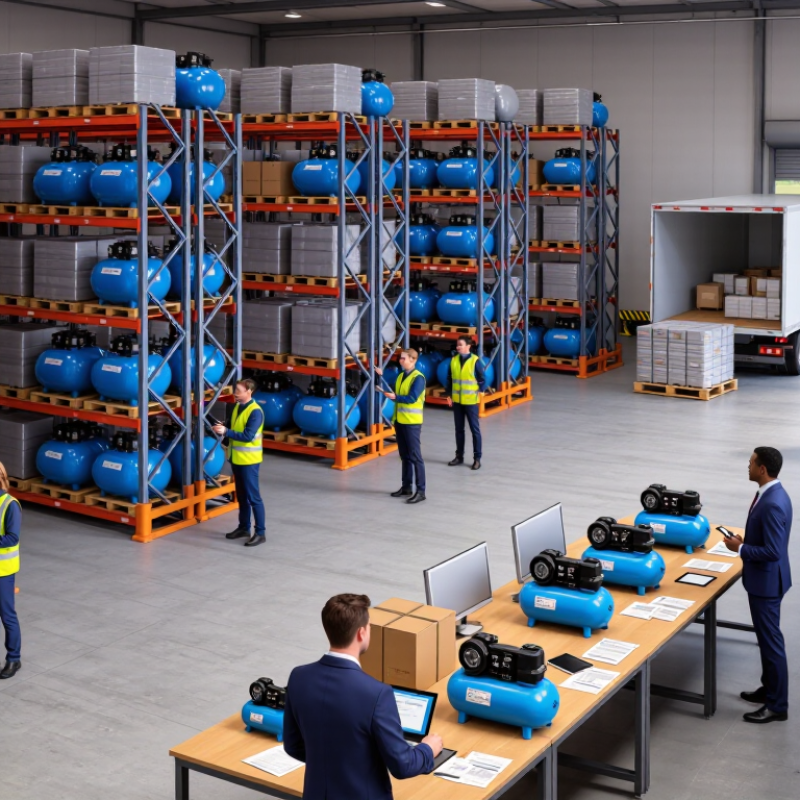
What Makes a Danfoss Compressor Supplier Reliable for Global Buyers
A reliable compressor supplier does more than quote a low unit price. In field purchasing, I look for traceable stock, clear technical answers, and records matching each serial number. The supplier should confirm capacity, refrigerant compatibility, voltage, oil requirements, and operating limits before accepting an order. Short replies create long delays. Ask for evidence. A dependable team also explains what it cannot supply. That honesty matters when a replacement must fit an existing refrigeration rack.
Practical evidence is stronger than polished promises. Request factory test reports, pressure checks, electrical readings, and recent product photographs. Details matter. A serious supplier can describe how compressors are stored, sealed, and packed for ocean or air shipment. Wooden crates, moisture barriers, and shock indicators may prevent damage before installation. I also examine warranty terms, spare-part access, response time, and after-sales procedures. These details reveal operational experience. Not every document will be perfect. Missing dates or vague test methods deserve direct questions.
Global buyers need predictable communication across time zones. The supplier should provide one accountable contact, accurate lead times, and shipment updates with usable tracking data. Payment, customs, and compliance documents should be prepared without unexplained changes. References from similar cold-storage or industrial projects can add authority when verified independently. A trial order is wise for unfamiliar partners. It can expose packing weaknesses, communication gaps, or inaccurate specifications before larger commitments.
How to Evaluate Danfoss Compressor Suppliers by Product Range and Quality
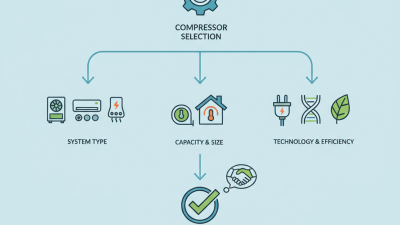
When evaluating a compressor supplier, begin with the product range, not the catalogue size. A credible supplier should provide compatible models across cooling capacities, refrigerants, voltage options, and operating temperatures. Ask for selection software, performance maps, noise data, and oil specifications. These details reveal whether the supplier understands real installations or only resells equipment.
Energy performance deserves careful testing. The International Energy Agency’s The Future of Cooling report projects that space-cooling electricity demand could more than triple by 2050, reaching about 6,200 TWh annually. Efficiency claims therefore need laboratory reports, test conditions, and seasonal performance data. Compare results under similar ambient temperatures, not attractive but unrealistic conditions. Small differences matter.
Quality evidence should include traceability, batch records, failure analysis, and a documented quality-management system. ISO 9001 certification helps, but it does not prove every compressor performs well. Request sample inspection reports and warranty statistics from comparable projects. Check how quickly technical teams respond when a compressor fails during peak summer demand. That experience matters.
I still make one mistake. I sometimes value a broad product range too highly. A smaller range with stable production may be safer. UNEP’s Global Cooling Watch 2023 also warns that cooling demand and related emissions may nearly double by 2050 without stronger efficiency measures. Suppliers should therefore demonstrate refrigerant transition planning, spare-part availability, and measurable efficiency improvements, not vague promises.
10 Best Danfoss Compressor Suppliers for Global Buyers
How to evaluate compressor suppliers by product range and quality
This buyer evaluation framework uses a 100-point weighted model rather than ranking individual companies. Product range and documented quality receive the highest weights because global buyers typically need application coverage, consistent manufacturing, efficiency data, traceability, and dependable after-sales support.
Top 10 Danfoss Compressor Suppliers Serving International Markets
Selecting the top 10 compressor suppliers for international markets requires more than comparing prices. Experienced buyers examine product authenticity, technical support, export capability, and after-sales response. A reliable supplier should provide model verification, performance data, warranty terms, and clear documentation for customs clearance.
Cold chain details matter. Suppliers serving food processing, supermarkets, cold storage, and industrial refrigeration should understand different refrigerants, voltage standards, ambient temperatures, and installation conditions. Strong candidates maintain regional warehouses or dependable logistics partners. They can also recommend compatible controllers, oil, valves, and replacement components without creating unnecessary delays.
Ask for proof. Request recent delivery records, factory authorization, test reports, and references from overseas customers. Response speed is useful, but technical accuracy matters more. A supplier that answers quickly yet ignores suction temperature may create expensive problems later. Pricing can also be misleading when freight, duties, commissioning, and emergency support are excluded.
A ranking is never perfect. Market coverage changes, and a smaller distributor may outperform a larger exporter on urgent projects. Buyers should compare the ten suppliers against their own load requirements, service region, and maintenance skills. Check serial numbers carefully. Confirm lead times in writing. One overlooked specification can affect efficiency, noise, and compressor life.
How to Compare Pricing, Certifications, Warranty, and Technical Support
Choosing among the 10 best compressor suppliers requires more than comparing unit prices. Ask for a complete quotation, including shipping, duties, installation guidance, and spare parts. A lower price may exclude testing or protective packaging. Compare the delivered cost, not only the invoice figure. Request recent references from buyers with similar cooling loads and operating conditions.
Certifications should match your market and application. Check product conformity documents, factory test reports, serial-number records, and refrigerant compatibility. Do not accept scanned certificates without verification. Warranty terms also deserve close attention. Confirm coverage length, excluded parts, response procedures, labor costs, and return shipping responsibilities. A two-year warranty sounds useful, but weak service conditions can reduce its value. Read the small details.
Technical support often separates a dependable supplier from a risky one. Test response times before ordering by sending practical questions about oil levels, voltage, capacity, and commissioning. Ask whether trained engineers can support remote diagnosis and provide replacement-part drawings. Clear manuals matter. So does language availability. I would not rely on promises alone; record every commitment in the purchase agreement. No checklist catches every risk. Pricing can still change with currency, freight, or urgent production needs. Review those assumptions again before payment, because even a careful comparison may miss one expensive detail.
10 Best Danfoss Compressor Suppliers for Global Buyers? — How to Compare Pricing, Certifications, Warranty, and Technical Support
The comparison below uses anonymous supplier profiles rather than company or brand names. Figures are indicative procurement benchmarks for global buyers and should be confirmed through current quotations, certificates, warranty terms, and service-level agreements.
| Rank |
Anonymous Supplier Profile |
Primary Supply Model |
Indicative Price Position |
Typical MOQ |
Certification Evidence to Request |
Typical Warranty Term |
Technical Support Coverage |
Spare-Parts Availability |
Lead-Time Target |
| 1 |
Profile A — Authorized regional distribution model |
Stocked distribution |
Low–Medium |
1–5 units |
ISO 9001; product traceability; authorized-channel evidence |
12–24 months |
Business-hours engineering support; application selection assistance |
High |
1–3 weeks |
| 2 |
Profile B — Refrigeration engineering specialist |
Project-based supply |
Medium |
1–10 units |
ISO 9001; pressure-equipment compliance where applicable; test reports |
12 months |
Selection calculation, commissioning guidance, and fault analysis |
High |
2–5 weeks |
| 3 |
Profile C — Export-focused industrial distributor |
International wholesale |
Low–Medium |
5–20 units |
ISO 9001; commercial invoice consistency; serial-number verification |
12 months |
Multilingual sales support; remote troubleshooting |
Medium–High |
3–6 weeks |
| 4 |
Profile D — Cold-chain system integrator |
Complete system package |
Medium–High |
1 complete system |
ISO 9001; electrical conformity documents; system test records |
12–24 months |
System design, controls integration, startup, and operator training |
High |
4–8 weeks |
| 5 |
Profile E — Online B2B inventory supplier |
Catalog and spot purchasing |
Low |
1–3 units |
Certificate copies; serial-number photos; origin and condition statement |
6–12 months |
Basic product matching; limited engineering support |
Medium |
1–4 weeks |
| 6 |
Profile F — Local service-and-parts partner |
After-sales service supply |
Medium |
1–5 units |
Service authorization; technician credentials; repair documentation |
12 months |
On-site diagnosis, installation support, and emergency service |
High |
1–3 weeks |
| 7 |
Profile G — OEM-equipment replacement specialist |
Replacement and retrofit supply |
Medium–High |
1–10 units |
Compatibility documentation; performance data; traceable serial records |
12 months |
Retrofit assessment, capacity matching, and commissioning advice |
Medium–High |
3–6 weeks |
| 8 |
Profile H — Energy-efficiency solution provider |
High-efficiency project supply |
Medium–High |
1–10 units |
ISO 9001; efficiency test data; environmental and safety declarations |
12–24 months |
Energy assessment, system optimization, and performance monitoring |
Medium |
4–8 weeks |
| 9 |
Profile I — Regional HVAC/R wholesale distributor |
Multi-brand wholesale |
Low–Medium |
2–20 units |
Business registration; channel documentation; product conformity files |
12 months |
Standard product support; referral to specialist technicians |
Medium–High |
1–5 weeks |
| 10 |
Profile J — Customized industrial procurement partner |
Contract and tender supply |
Medium |
10–50 units |
ISO 9001; quality plan; inspection records; export compliance documents |
12–24 months |
Dedicated project manager; documentation and logistics coordination |
Medium |
5–10 weeks |
How Global Buyers Can Select the Right Danfoss Compressor Supplier
Selecting the right Danfoss compressor supplier requires more than comparing unit prices. The IEA’s The Future of Cooling report states that cooling could become one of the fastest-growing electricity uses by 2050. Supplier reliability therefore affects operating costs, uptime, and emissions. Check whether the supplier provides traceable serial numbers, factory documentation, refrigerant guidance, and tested replacement options. Ask for measured capacity at your actual evaporating and condensing temperatures. Catalog ratings alone can mislead.
A dependable supplier should also support local commissioning and warranty handling. Review stock levels, average lead times, export experience, and technical response times. The UNEP and IEA Cooling Emissions and Policy Synthesis Report notes that cooling demand may more than triple by 2050. This makes lifecycle efficiency increasingly important. Compare annual energy use, not only purchase cost. Request data from recognized testing standards, such as AHRI or ISO-based procedures, when available. A perfect scorecard rarely exists. That is worth admitting.
Tips: Ask for three recent project references in similar climates. Verify voltage, refrigerant compatibility, oil type, and control requirements before ordering. Require a written service process. Keep a small critical-spares plan for remote sites. Also question unusually low prices; they may reflect older inventory, limited support, or unclear warranty terms. Metrics should guide judgment, not replace it.