Choosing the right Semi-Enclosed Compressor in 2026 means looking beyond horsepower and price. Buyers need to compare cooling capacity, efficiency, refrigerant compatibility, operating limits, and service access. Small details matter. A cramped plant room can turn routine maintenance into a costly interruption.
The International Energy Agency’s The Future of Cooling report (2018) projects that global energy demand for space cooling could more than triple by 2050. UNEP’s Global Cooling Watch 2023 also describes rapidly rising cooling demand. These reports address cooling broadly, not compressor sales specifically. Still, they highlight why equipment efficiency deserves careful attention. A compressor’s performance depends on the system around it, including evaporators, condensers, controls, and installation conditions. A catalogue rating alone is not proof.
For a practical comparison, buyers should request performance data at the temperatures and refrigerant conditions their equipment will actually encounter. Check the manufacturer’s operating envelope, service requirements, parts availability, and documented test conditions. Then compare lifetime operating costs, not just the initial quotation. I would be cautious about any “best” list that ranks models without explaining its test basis. That is easy to overlook. This guide examines the key selection points, trade-offs, and questions buyers can raise with suppliers before choosing a Semi-Enclosed Compressor.
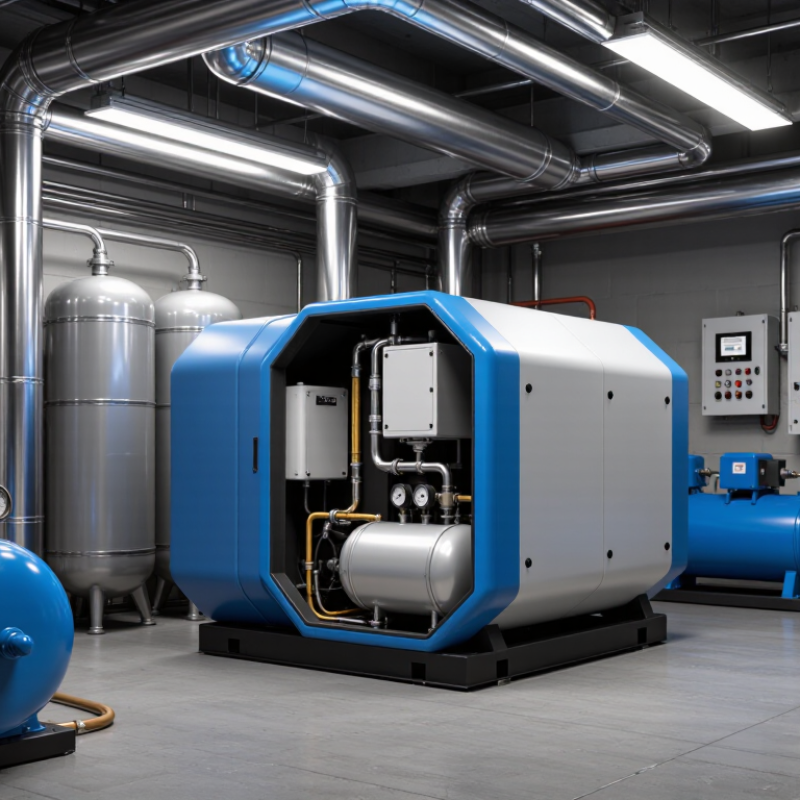
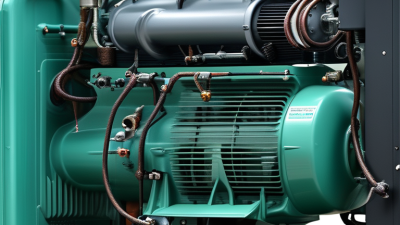
A semi-hermetic compressor places its motor and compression mechanism inside one bolted, sealed housing. Unlike a fully hermetic unit, it can be opened for inspection and repair; unlike an open-drive design, it has no external shaft seal. That distinction matters. A technician may access motor windings, valves, or internal components without replacing the entire sealed assembly, although repairs still require proper tools and refrigerant-handling procedures.
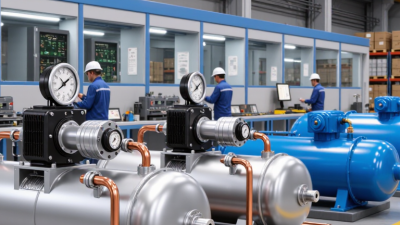
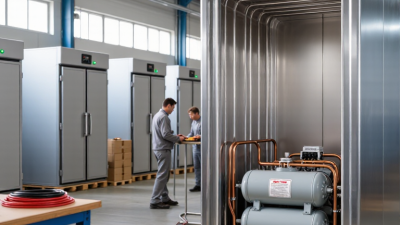
These compressors commonly serve supermarket racks, cold rooms, and industrial process cooling, where downtime can spoil stock or interrupt production.
Buyers should compare capacity at the actual evaporating and condensing temperatures, not rely on a headline rating. Check parts availability, oil-management requirements, and whether local technicians can service the design. Bolted access helps, but it is not magic. Poor reassembly or neglected seals can still cause leaks, and field service may take longer than expected.
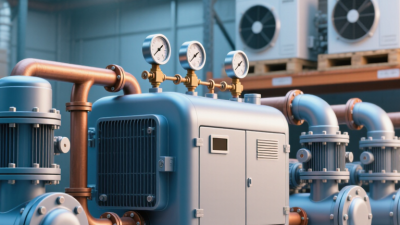
For 2026 purchasing, classify semi-enclosed compressors by duty cycle and usable capacity, not horsepower alone. Reciprocating models often suit smaller, intermittent loads, such as a workshop tool line cycling between jobs. As a preliminary screening band, consider them below roughly 30 kW; confirm the actual flow at required pressure. The U.S. Department of Energy’s Improving Compressed Air System Performance sourcebook describes reciprocating compressors as suitable for intermittent demand. Short bursts matter.
Screw models are generally a better fit for steady production demand and longer operating hours. A practical screening band is around 15–250 kW, with overlap at smaller sizes; these figures are selection guides, not fixed industry limits. The same DOE sourcebook identifies rotary screw compressors as common choices for continuous industrial service. Compare delivered flow, pressure, turndown, and part-load power. A unit that matches peak demand may waste energy when production slows.
Check operating range against the real room and process conditions. Record inlet temperature, required discharge pressure, daily load variation, and starts per hour. CAGI’s compressor performance verification program uses standardized test conditions, so compare published performance at matching conditions rather than relying on headline capacity. These bands are imperfect. Actual plant data can overturn a neat category, especially where demand swings sharply or ventilation is limited.
When comparing semi-enclosed compressors, use AHRI 540 rating data to check cooling capacity and coefficient of performance (COP) at matching conditions. Capacity shows how much heat the compressor can remove; COP compares that output with its power input. Compare the same refrigerant, suction temperature, and discharge temperature whenever possible. Small condition changes can alter both figures. A rating is a reference, not a field guarantee.
Tips: Check the rating conditions beside each value. Confirm units, refrigerant, and operating frequency before comparing models. Keep a copy of the data sheet. It is easy to overlook one line.
A higher capacity may suit a larger load, while a higher COP can reduce energy use under the stated conditions. Neither number tells the whole story. Actual performance also depends on system design, controls, airflow, and installation. For example, a compressor rated at a particular suction condition may not deliver the same result in a warm equipment room. I would not choose by peak capacity alone; that shortcut can be tempting, but it deserves a second look. Compare ratings against the expected operating range, then verify the selection with a qualified refrigeration professional.
A compressor’s construction does not determine refrigerant safety. Buyers should verify the refrigerant’s classification in ASHRAE Standard 34 and ISO 817 before comparing equipment. Both standards classify refrigerants by toxicity and flammability. Class A indicates lower toxicity than Class B; flammability classes range from 1 to 3, with 2L indicating lower burning velocity. Under these standards, a 2L refrigerant’s burning velocity is no greater than 10 cm/s. That number matters, but it is not a room-safety guarantee.
Check the exact refrigerant designation on the equipment data plate and in the manufacturer’s technical documentation. Then confirm charge limits, room size, ventilation, leak detection, and service procedures against applicable equipment requirements. A compact plant room with a floor drain and nearby ignition sources deserves careful review. I would not treat a class label as a complete risk assessment; installation details can change the practical risk. ASHRAE Standard 34 and ISO 817 are the primary classification references, not substitutes for a site-specific review.
Tips: Confirm the refrigerant class, permitted charge, and required safeguards together. Ask for written confirmation when documents disagree. Small detail. Big consequence.
A semi-enclosed compressor should be selected from its operating map, not its headline capacity. Compare models at the actual suction and discharge temperatures, refrigerant, superheat, and operating speed. A map showing strong performance at one design point can hide poor efficiency during mild weather or low load. Check the whole expected operating envelope. AHRI Standard 540-2020 provides a standardized method for rating positive-displacement refrigerant compressors, helping buyers compare published performance on consistent terms. Maps are not a crystal ball.
Part-load behavior matters because systems rarely run at full capacity all day. Review capacity control, cycling losses, and input power across seasonal conditions; request test data when map details are thin.
Build lifecycle cost from purchase price, annual energy use, maintenance, and expected service life. Use local electricity rates and realistic operating hours, then test a higher-energy-price scenario.
Small details matter. A spreadsheet can still mislead if its load profile is guessed.