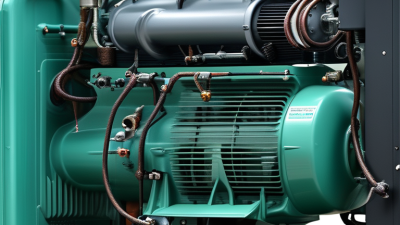
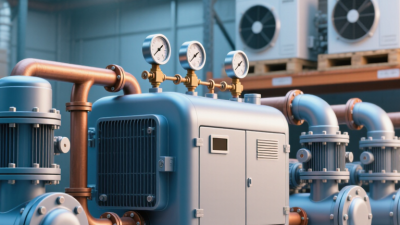
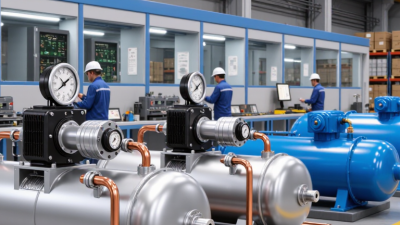
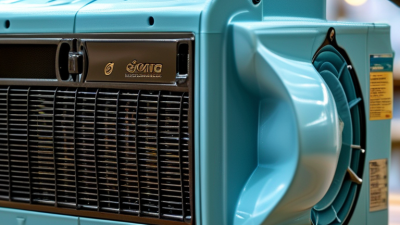
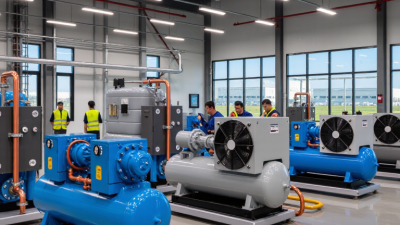
Choosing a China Top Compressor for Cooler supplier requires more than comparing prices and catalog photos. The compressor controls cooling capacity, energy use, noise, and long-term reliability. It is the engine inside the cabinet.
The International Energy Agency reported in The Future of Cooling that global cooling energy demand could more than triple by 2050, reaching about 6,200 TWh annually. This projection makes compressor efficiency a purchasing priority, not a marketing detail. Suppliers should provide measured performance data at defined evaporating and condensing temperatures. Look for COP values, cooling capacity curves, starting current, oil type, and operating limits. A reliable manufacturer should also explain how its Compressor For Cooler performs in hot warehouses, unstable voltage, and frequent door-opening conditions.
Refrigerant selection needs equal attention. The United Nations Environment Programme continues to support lower-global-warming refrigerant transitions under the Kigali Amendment. Therefore, buyers should confirm refrigerant compatibility, safety documentation, and local service capability before signing a contract. The compressor must match the cooler design, not merely the requested horsepower.
Details matter.
Ask for factory audit records, ISO 9001 certification, batch traceability, endurance-test results, and warranty terms. Request sample units before approving mass production. A supplier may quote excellent efficiency, but test conditions can differ sharply from real operation. This is where many comparisons become imperfect. Independent validation is still necessary. Reports from the IEA and UNEP offer useful direction, but they do not replace product testing. The strongest China supplier combines engineering support, stable components, transparent data, and practical after-sales response.
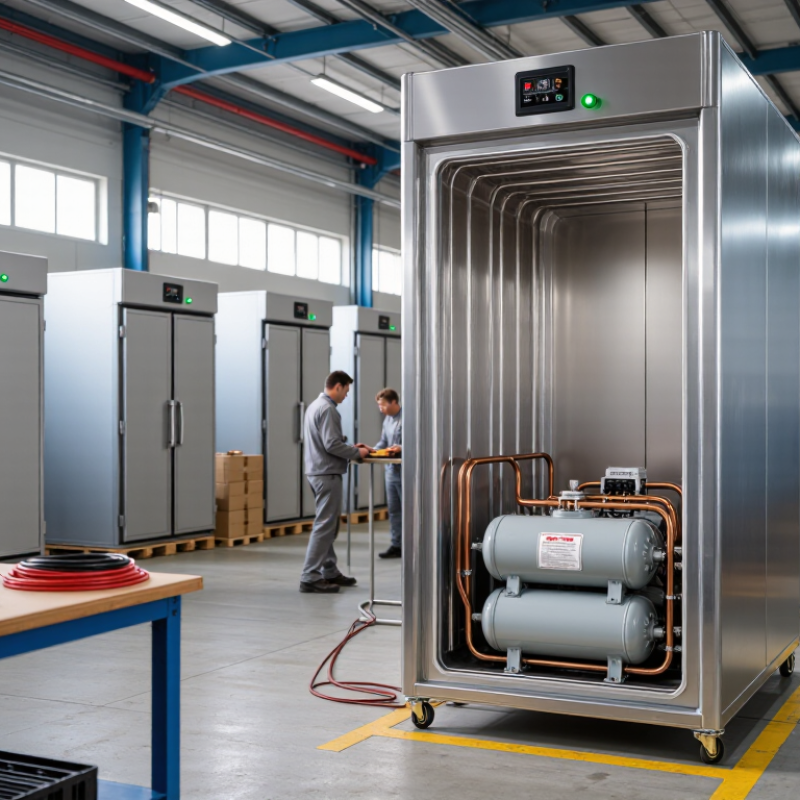
Choosing a compressor for a cooler starts with temperature, load, and operating conditions. A beverage cooler usually needs stable medium-temperature performance. A frozen cabinet demands lower evaporating temperatures and stronger insulation control. Do not select by horsepower alone. It can mislead.
Reciprocating compressors suit many small and medium coolers. They are practical, widely serviceable, and effective under changing loads. Rotary compressors offer compact designs and smooth operation for smaller cabinets. Scroll compressors provide quiet performance and good efficiency in commercial cooling systems. Variable-speed models adjust output as door openings, room temperature, and product loads change. This can reduce energy use, but the control system must be properly matched.
For large cold rooms, screw compressors may handle continuous, heavy-duty operation more effectively. However, their higher cost and maintenance requirements need careful review. In field evaluations, I check cooling capacity, refrigerant compatibility, noise, starting current, and oil return. Supplier test reports matter. So do service records.
Ask for performance data at your actual evaporating and condensing temperatures. A compressor that performs well in a laboratory may struggle in a hot workshop. That happens. Installation quality also affects reliability, especially piping, airflow, and electrical protection. Some selections look efficient on paper but become expensive after repeated repairs. Review lifecycle cost, spare-part access, warranty terms, and technical support before making a purchase.
| Compressor Type | Typical Cooler Applications | Typical Cooling Capacity* | Typical Evaporating Temperature | Common Refrigerants** | Main Advantages | Important Selection Considerations |
|---|---|---|---|---|---|---|
| Reciprocating Hermetic, semi-hermetic, or open type |
Household refrigerators, bottle coolers, display cases, freezers, small cold rooms, and compact commercial refrigeration units | Approximately 0.05–30 kW | About −45°C to +10°C, depending on design and refrigerant | R600a, R290, R134a, R404A alternatives, R448A, and R449A | Wide capacity range, strong low-temperature performance, mature technology, and relatively simple servicing | Check starting current, vibration, discharge temperature, oil compatibility, and the required operating envelope. Hydrocarbon refrigerants require suitable safety controls. |
| Rotary Rotary vane or rolling-piston |
Compact refrigerators, portable coolers, small beverage machines, and low-capacity air-conditioning or heat-pump equipment | Approximately 0.1–5 kW | About −30°C to +10°C | R32, R410A, R134a, R290, and other refrigerants approved by the compressor manufacturer | Compact size, low part count, smooth operation, and good efficiency at small capacities | Usually less suitable for large commercial systems or severe low-temperature duty. Confirm liquid-return protection and minimum load limits. |
| Scroll Fixed-speed or variable-speed |
Commercial display coolers, medium-sized cold rooms, supermarket refrigeration, process chillers, and precision cooling systems | Approximately 2–100 kW | About −30°C to +10°C, subject to model and refrigerant | R410A, R32, R134a, R407C, R448A, R449A, and R290 in approved models | Low vibration, few moving parts, good part-load efficiency, and reliable continuous operation | Verify the allowable pressure ratio, oil type, liquid-refrigerant tolerance, capacity control method, and compatibility with the selected refrigerant. |
| Screw Single-screw or twin-screw |
Large cold rooms, food-processing plants, industrial chillers, distribution centers, and systems with long operating hours | Approximately 50–1,500+ kW | About −45°C to +10°C | R134a, R404A alternatives, R407F, R448A, R449A, ammonia, and other approved refrigerants | High capacity, stable operation, good performance under continuous load, and effective capacity modulation | Higher initial cost and more demanding oil-management requirements. Evaluate part-load efficiency, separator design, maintenance access, and system controls. |
| Centrifugal Dynamic compression |
Large central chilled-water systems, industrial process cooling, and high-capacity facilities with relatively constant cooling loads | Approximately 300–10,000+ kW | Usually about +2°C to +10°C chilled-water applications | R134a, R1234ze, R513A, and other refrigerants approved for the specific machine | Excellent efficiency at large steady loads, high capacity, and low mechanical vibration | Prone to surge at unsuitable flow conditions. Requires careful system design, stable water flow, proper controls, and qualified commissioning. |
| Variable-Speed Compressor Electronic speed control applied to approved compressor designs |
Energy-efficient household refrigerators, beverage coolers, variable-load display cases, and battery-powered or off-grid cooling equipment | Approximately 0.05–30 kW | Application-dependent, commonly about −35°C to +10°C | R600a, R290, R134a, R32, and other approved refrigerants | Excellent part-load efficiency, stable cabinet temperature, reduced cycling, and lower starting current | The compressor, inverter, controller, and electromagnetic compatibility must be designed as a complete system. Check minimum speed, control signal, and electrical protection. |