2026 Top Semi-Enclosed Compressor Trends You Need to Know?
The semi-enclosed compressor market is undergoing significant changes. The global demand for energy-efficient systems is soaring. According to industry reports, the semi-enclosed compressor segment is projected to grow at a CAGR of 5.2% from 2023 to 2026. This surge is driven by increased industrial automation and innovations in compressor technology.
Key players are now focusing on developing quieter and more compact models. Energy efficiency remains a primary concern. Studies show that semi-enclosed compressors can save up to 20% more energy compared to traditional models. However, manufacturers face challenges in meeting stringent environmental regulations.
Market dynamics are evolving. The need for cost-effective and reliable energy solutions is pressing. As companies adopt smart technologies, the integration of IoT in semi-enclosed compressors becomes paramount. Organizations must navigate these changes carefully. Balancing innovation with compliance is crucial for future success in the semi-enclosed compressor sector.
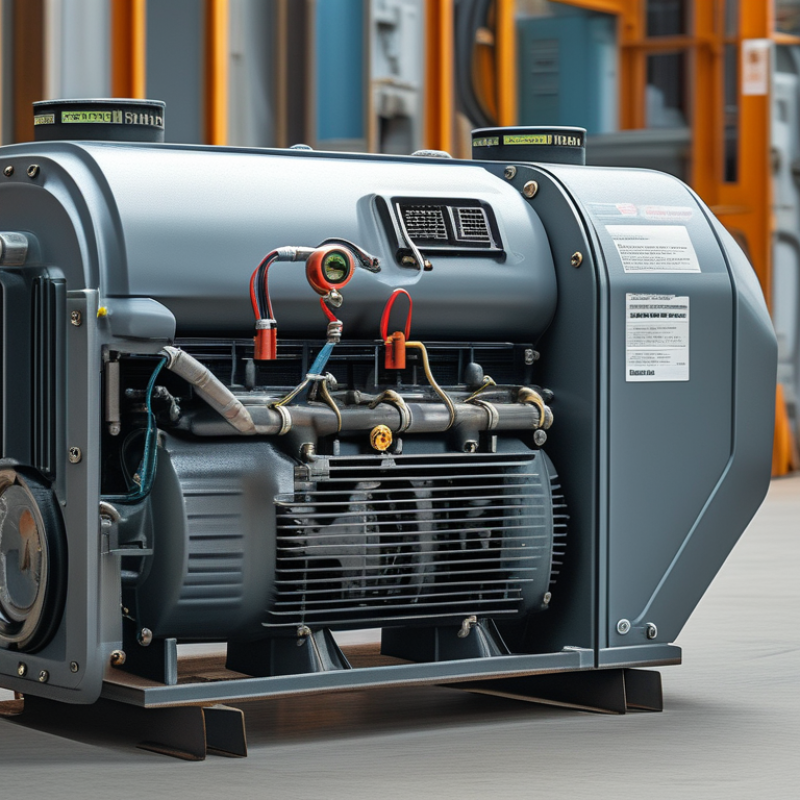
Emerging Technologies in Semi-Enclosed Compressors for 2026
The market for semi-enclosed compressors is evolving rapidly as we approach 2026. Emerging technologies are shaping the future of this sector.
A recent report from the International Compressor Manufacturer Association (ICMA) highlights significant innovations in energy efficiency and compact design.
These advancements will enhance operational performance while minimizing energy consumption, which is crucial considering that energy costs account for up to 60% of operational expenses in many industrial settings.
Manufacturers are increasingly adopting smart technology for real-time monitoring. The integration of IoT devices enables predictive maintenance, reducing downtime and extending equipment lifespan.
According to Frost & Sullivan, the adoption of smart compressors can lead to a 20% increase in efficiency. This efficiency not only boosts productivity but also contributes to sustainability goals by lowering carbon footprints.
Tips: Explore the benefits of energy-efficient designs. Assess your current systems to identify potential improvements. Engaging in regular audits can highlight areas needing upgrade or replacement, especially in the face of rising energy costs. Embrace technology, but remain aware that it requires a learning curve. Adapting to new systems may take time, but the long-term benefits justify the effort.
Key Market Trends Driving Demand for Semi-Enclosed Compressors
The demand for semi-enclosed compressors is rising, driven by key market trends. Industries are increasingly focusing on energy efficiency and sustainability. This shift is pushing manufacturers to develop compressors that consume less energy while offering superior performance. Businesses are looking for solutions that reduce their carbon footprint. Semi-enclosed compressors are designed to meet these needs effectively.
Another factor contributing to this trend is the evolving regulatory landscape. Stricter emissions regulations compel many companies to upgrade their equipment. Semi-enclosed models often comply with these regulations more easily than traditional systems. This compliance reduces the risk of fines and enhances the company's reputation.
However, despite these advancements, some challenges remain. Not all semi-enclosed compressors are suitable for every application. Their performance can vary based on specific operational conditions. Additionally, the initial cost may deter some businesses. Companies must carefully evaluate their needs. Understanding these dynamics can lead to more informed decisions in the selection process.
Eco-Friendly Innovations in Semi-Enclosed Compressor Design
The trend towards eco-friendly innovations in semi-enclosed compressor design is transforming the industry. As companies seek sustainable solutions, emissions reduction is a top priority. According to a recent industry report, nearly 70% of manufacturers are adopting greener technologies. This shift is not merely a trend; it's driven by regulatory changes and demand for sustainability.
Innovative designs feature improved energy efficiency. New models incorporate advanced materials and engineering practices. These changes can reduce energy consumption by up to 30%. Furthermore, there is a growing emphasis on using recyclable components. This not only minimizes waste but also aligns with consumer preferences for sustainable products.
Yet, this transition faces challenges. Balancing cost and innovation is essential for manufacturers. Many still rely on traditional designs that may hinder progress. A significant gap exists between innovation and the implementation of green technologies. The industry must navigate these hurdles to achieve a fully sustainable future, focusing on real change rather than superficial upgrades. This journey requires ongoing commitment and reflection.
Advancements in Efficiency and Performance of Compressor Systems
The semi-enclosed compressor market is evolving rapidly. Focusing on advancements in efficiency, these systems are being designed with improved energy outputs. Manufacturers are now employing advanced materials to reduce friction and enhance performance. Many compressors feature innovative designs that improve air circulation and reduce energy loss.
As technology progresses, monitoring solutions are becoming integral to compressor systems. Real-time data collection allows for better analysis and troubleshooting. Early detection of potential failures leads to less downtime and increased productivity. However, the challenge remains in integrating these technologies seamlessly into existing systems.
Another trend is the push for sustainability. Energy efficiency regulations are driving development in compressor systems. This means companies must adapt or risk falling behind. While many are making strides, the industry still has room for improvement. The reliability of these systems must also be addressed; long-term performance can vary significantly. Learning from past failures can foster progress in future designs.
Future Challenges and Opportunities in the Semi-Enclosed Compressor Sector
The semi-enclosed compressor sector faces unique challenges in 2026. Increasing energy efficiency demands push manufacturers to innovate. Traditional designs often fall short, leading to wasted resources. More energy-efficient models are essential for tackling this issue.
Sustainability is another avenue for growth. As industries seek greener alternatives, semi-enclosed compressors must adapt. Developing materials that reduce environmental impact is crucial. Technologies should emphasize lifecycle management. However, achieving these goals is not straightforward. Balancing performance and environmental considerations can complicate design processes.
Emerging technologies offer both challenges and opportunities. Smart monitoring systems can enhance efficiency, but they also require investment. Companies must weigh the costs versus potential savings. Data security remains a concern, as increased connectivity may open vulnerabilities. Embracing these trends is essential, yet navigating the complexities demands careful thought and planning.