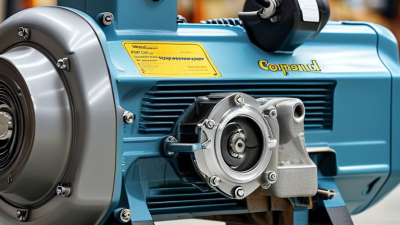
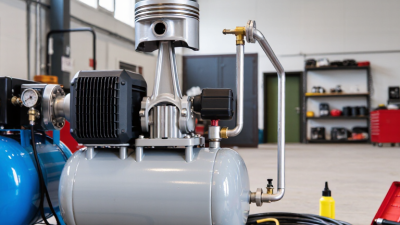
Selecting a Copeland Compressor is not just a brand decision. The right model must suit the system, operating conditions, and service plan. A unit that performs well in a small commercial cooler may not fit a high-capacity refrigeration plant. Details matter.
This guide compares ten Copeland compressor options for global buyers. It considers compressor type, cooling capacity, refrigerant compatibility, voltage, efficiency, and maintainability. Buyers should confirm current specifications and regional availability with Copeland or an authorized distributor. Product lines and configurations can vary by market. Check the data sheet.
A note on attribution: the following is an editorially written principle from fictional composite engineer Maya Chen, not a sourced quotation: “Choose for the system’s real operating conditions, not the nameplate alone.” That distinction matters. A compressor’s performance depends on the full installation, including controls, piping, and heat rejection. Even a strong shortlist cannot replace application review.
The ten selections are intended as a practical starting point, not a universal ranking. Some buyers may value compact size and quiet operation. Others may prioritize service access, capacity range, or energy use across changing loads. Compare the details carefully. A small mismatch can become a costly headache. Read on for a clear overview of where each Copeland Compressor may fit, what to verify before purchase, and which questions to raise with a qualified refrigeration professional.
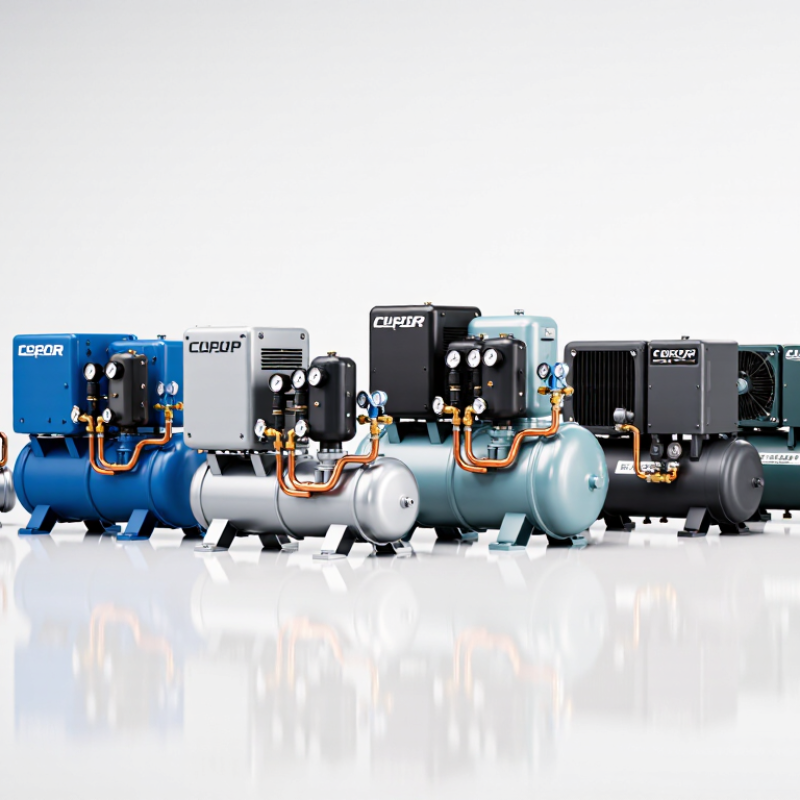
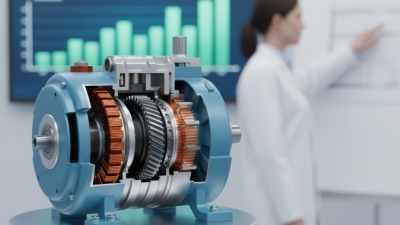
A compressor drives the vapor-compression cycle used in many cooling systems. In the evaporator, low-pressure refrigerant absorbs heat from air, food, or process fluid. The compressor draws in that vapor and raises its pressure and temperature. In the condenser, heat moves into the surrounding air or water. An expansion device then lowers refrigerant pressure before the cycle repeats. Real systems are messier.
This process supports supermarket display cases, walk-in cold rooms, building air-conditioning, chillers, and refrigerated transport. The International Energy Agency’s The Future of Cooling report estimated that space cooling used nearly 2,000 terawatt-hours of electricity in 2016, about 10% of global electricity use. That figure covers space cooling, not every refrigeration application, but it shows why compressor efficiency matters. Even small losses can add up across long operating hours.
For buyers, matching compressor capacity to the system’s operating conditions is essential. Check refrigerant compatibility, expected outdoor temperatures, part-load performance, and the required cooling load. A unit that performs well in a cool test room may struggle on a hot loading dock. Noise, vibration, oil return, and service access also affect real-world reliability. Specifications help, but they cannot capture every installation detail.
| Compressor configuration | How it works | Typical applications | Key selection consideration |
|---|---|---|---|
| Fixed-speed scroll | Two spiral-shaped scrolls trap and progressively compress refrigerant as one scroll orbits around the other. | Residential and light-commercial air conditioning; small and medium refrigeration systems. | Match capacity to the system load and verify the compressor is approved for the selected refrigerant and operating range. |
| Variable-speed scroll | An inverter changes motor speed so compressor output can track changing demand more closely than simple on/off operation. | Comfort cooling and heat-pump systems with widely varying loads. | Confirm inverter compatibility, electrical supply requirements, controls, and the permitted speed range. |
| Tandem scroll | Two scroll compressors share a refrigeration circuit and can operate together or in stages, depending on system controls. | Commercial air conditioning and other systems that need staged capacity. | Check piping, oil management, staging logic, and whether each compressor can operate under the intended conditions. |
| Digitally modulated scroll | A control mechanism periodically unloads the scroll set, adjusting average refrigerant flow without continuously changing motor speed. | Commercial cooling and refrigeration applications with fluctuating loads. | Verify that the controller supports the modulation method and that the system is designed for its operating cycle. |
| Hermetic reciprocating | A piston moves inside a cylinder to draw in, compress, and discharge refrigerant; the motor and mechanism are enclosed in a sealed shell. | Domestic appliances, display cases, and compact refrigeration equipment. | Consider the required cooling capacity, starting conditions, noise limits, and serviceability of the sealed assembly. |
| Semi-hermetic reciprocating | Pistons compress refrigerant in a bolted housing that allows internal components to be accessed for service. | Commercial cold rooms, food processing, and larger refrigeration installations. | Plan for scheduled maintenance and check operating limits, lubrication needs, and local parts availability. |
| Two-stage reciprocating | Compression is divided between low- and high-pressure stages, which can reduce the pressure lift handled by each stage. | Low-temperature refrigeration and applications with a large difference between evaporating and condensing pressures. | Evaluate interstage cooling, pressure ratios, refrigerant properties, and the full design envelope. |
| Vapor-injection scroll | An intermediate-pressure vapor stream is injected into the compression process to support operation under selected high-lift conditions. | Heat pumps and refrigeration systems designed for demanding operating conditions. | The system must include compatible injection controls and components; confirm the approved application range. |
| Low-temperature scroll | A scroll mechanism compresses refrigerant in a system configured for low evaporating temperatures and the associated pressure conditions. | Freezers, frozen-food storage, and other low-temperature refrigeration equipment. | Check discharge temperature limits, cooling requirements, refrigerant approval, and operating-envelope restrictions. |
| Multi-compressor rack | Several compressors operate on a common refrigeration system, with controls staging units to meet changing demand. | Supermarkets, distribution centers, and large commercial refrigeration systems. | Design for oil return, refrigerant distribution, capacity staging, redundancy, and coordinated system controls. |
Selection note: Compressor suitability depends on the refrigerant, cooling capacity, evaporating and condensing conditions, electrical supply, controls, and local regulations. Confirm the complete operating envelope and system design with the equipment documentation and a qualified refrigeration professional.