A Piston Compressor earns consideration when a workshop needs dependable, direct, and serviceable compressed air. Its reciprocating action is easy to understand: a piston draws air into a cylinder, compresses it, and sends it into a receiver. That practical design can suit intermittent workloads, from powering air tools to supporting small production lines. The trade-off is equally concrete: reciprocating parts create vibration and noise, while demanding duty cycles require careful attention to cooling and maintenance.
There is a larger efficiency question, too. The U.S. Department of Energy’s Improving Compressed Air System Performance sourcebook reports that compressed air can account for a significant share of a facility’s electricity use, and identifies system improvements with potential energy savings of 20% to 50%. Those figures describe compressed-air systems broadly, not piston compressors alone. Still, they underline why buyers should compare the full installation—not just the compressor’s purchase price. Check the required pressure, airflow, duty cycle, receiver size, and maintenance access. A loud unit in a cramped corner may be a poor fit, even if its specifications look attractive.
One limitation deserves honesty: no source articles or verifiable Piston Compressor expert quotation were provided, so attributing a direct quote would risk inventing one. A sound choice should rest on measured demand, credible technical data, and the actual conditions where the machine will run.
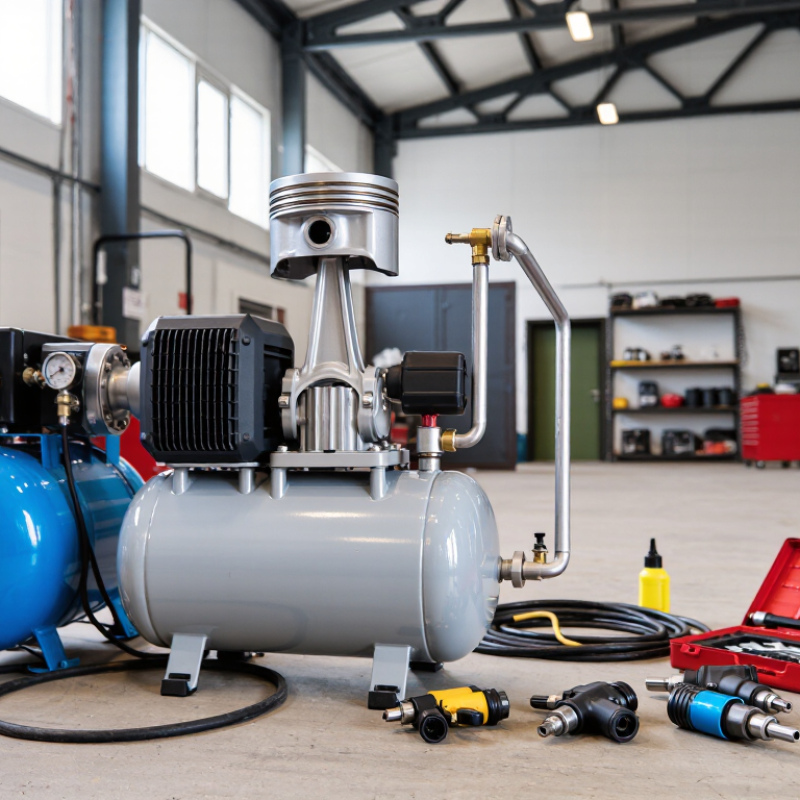
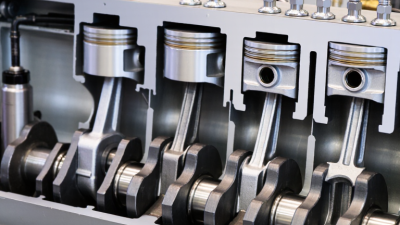
A piston compressor converts motor rotation into reciprocating motion. A crankshaft and connecting rod move the piston inside a cylinder. On the downstroke, falling cylinder pressure opens the intake valve, drawing air through a filter. On the upstroke, the intake valve closes and the trapped air is compressed. When its pressure exceeds the receiver pressure, the discharge valve opens and sends air into the tank. You can often hear the cycle as a steady intake and a sharper discharge pulse.
The U.S. Department of Energy’s Improving Compressed Air System Performance sourcebook notes that compressed air can account for roughly 10% of industrial electricity use, and more at some facilities. That makes leaks, pressure settings, and maintenance worth attention. Piston units suit intermittent demand, but heat and vibration matter. The explanation sounds tidy; actual performance depends on valve condition, cooling, and duty cycle. A warm cylinder is normal. Repeated overheating is not.
Tips: Check the intake filter and drain tank condensate regularly. Keep the unit level, and follow its manual for oil and service intervals. Don’t judge efficiency by sound alone.
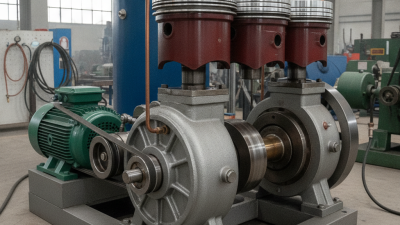
A piston compressor turns crankshaft rotation into the back-and-forth movement of a piston. The main parts include the cylinder, piston, connecting rod, crankshaft, inlet valve, and discharge valve. A flywheel helps smooth the motion, while lubrication and cooling manage friction and heat. The layout is straightforward to inspect. That matters.
During the intake stroke, the piston moves down and draws air through the inlet valve. As it rises, the valve closes and the trapped air is compressed. Once cylinder pressure exceeds the discharge-line pressure, the outlet valve opens and air flows toward a receiver tank. The cycle repeats. A real machine is less tidy than a diagram: valve wear, heat, and leakage can affect output, so operating conditions and maintenance matter.
The U.S. Department of Energy’s Improving Compressed Air System Performance: A Sourcebook for Industry reports that compressed-air systems account for about 10% of industrial electricity use in the United States. That figure covers different compressor types and facilities; it is not a piston-compressor efficiency rating. For a practical comparison, check delivered airflow and pressure against the duty cycle, then consider power use, service intervals, and noise. A piston unit may suit intermittent demand, but frequent starts and stops deserve careful review.
Piston compressors remain a practical choice when equipment needs steady, high-pressure air. Their reciprocating motion draws air into a cylinder, then compresses it with a piston. This familiar mechanism is relatively straightforward to inspect and service. Many units also handle changing workloads well, making them useful in workshops, garages, and small production spaces. They can provide strong pressure from a compact footprint. That matters when floor space is limited.
Tips: Check the recommended oil level, clean the intake filter, and drain moisture from the receiver regularly. A simple maintenance log can help reveal changes in performance before they become costly problems.
Piston compressors are not silent. Their vibration and cycling noise may be noticeable in a small room, so placement and ventilation deserve attention. They also need pauses or cooling time in some operating conditions; continuous use depends on the model’s design. I have seen users focus on pressure ratings and overlook duty cycle. That is an easy mistake. Compare the compressor’s rated airflow with the tool’s actual demand, and leave a sensible margin. A little planning makes the advantages more useful in daily work.
| Advantage | What It Offers | Typical Fit | Important Consideration |
|---|---|---|---|
| High pressure capability | Reciprocating action can generate high discharge pressures; multistage designs can achieve higher pressures than single-stage designs. | Workshops, pressure testing, and applications that need pressure above ordinary plant-air levels. | Check the rated pressure and duty cycle for the specific model and application. |
| Well suited to intermittent use | Many piston compressors are designed for stop-start operation and can serve applications with periodic rather than continuous air demand. | Small workshops, garages, and maintenance areas with varying air use. | Continuous operation can cause overheating or accelerated wear if the compressor is not rated for that duty. |
| Simple, familiar design | The basic mechanism uses a piston moving in a cylinder, making the operating principle straightforward for many maintenance teams to understand. | Sites that value conventional equipment and accessible servicing procedures. | Routine inspection and maintenance are still necessary; service requirements vary by design. |
| Flexible capacity options | Piston compressors are available in a range of sizes, from portable units to larger stationary, multistage systems. | Users who need to match equipment to a specific airflow and pressure requirement. | Select using required airflow at operating pressure, not tank volume alone. |
| Oil-free configurations available | Oil-free piston models are available for applications where oil carryover must be minimized. | Certain laboratory, dental, and clean-process uses, subject to air-quality requirements. | “Oil-free” does not by itself guarantee a specific air-purity class; verify filtration and applicable standards. |
| Practical for modest air demand | For smaller or occasional air requirements, a piston unit can be a practical alternative to equipment designed for continuous, high-volume demand. | Low-to-moderate usage in small businesses and service environments. | Compare total operating cost, noise, energy use, and duty rating before choosing. |
Performance and suitability vary by compressor design, configuration, and operating conditions. Confirm pressure, airflow, duty cycle, and air-quality requirements before selection.
Piston compressors serve workshops and small production lines where dependable compressed air is needed in bursts. In an automotive repair bay, they can power impact tools, tire inflators, and spray equipment. A mechanic may run a wrench briefly, then let the receiver tank recover. That pause suits intermittent work. It is less suitable for nonstop demand.
On farms, compressed air can support equipment cleaning, pneumatic controls, and maintenance tasks around machinery. Construction crews may use portable units to operate nailers or other air tools near a job site. In manufacturing, piston compressors often supply air to workstations, packaging equipment, and assembly tools. The required pressure and flow vary, so operators should compare the compressor’s rated output with the tools’ actual demand. A larger tank alone does not guarantee enough air.
Some food-processing facilities use compressed air for selected operations, such as actuating valves or moving packaging components. Air that contacts products may need additional treatment, including suitable filtration and moisture control. Details matter. Piston models can be noisy, and frequent starts may increase wear if the system is poorly sized. In practice, matching duty cycle, air quality, and maintenance capacity to the task is more useful than choosing by horsepower alone.
Representative operating-pressure ranges for common compressed-air applications
Piston compressors are a practical choice for intermittent air demand and applications requiring moderate-to-high pressure. Actual requirements vary by equipment and process; select a compressor to match the required pressure, airflow, air quality, and duty cycle.
A piston compressor can suit workshops and smaller operations with intermittent air demand. It compresses air in stages, so the receiver tank, duty cycle, and expected airflow matter as much as motor power. In a small workshop, a tool starting while another runs can expose an undersized system quickly. That matters.
The U.S. Department of Energy’s Improving Compressed Air System Performance sourcebook estimates compressed air uses about 10% of industrial electricity, though actual consumption varies by facility. Compare the compressor’s delivered airflow at the required pressure, not just its advertised horsepower. Check the duty rating against real operating hours, and consider noise, ventilation, maintenance access, and air-treatment needs. A damp, dusty room can make routine servicing harder.
Match tank capacity to short bursts of demand, but don’t treat a large tank as a cure for insufficient compressor output. ISO 1217 sets acceptance-test methods for displacement compressors, helping buyers compare measured performance on a consistent basis. Ask for test conditions and service requirements. I would avoid choosing on purchase price alone; that shortcut can mislead. Still, published ratings cannot perfectly predict every installation, so leave room to reassess demand after use.