How to Choose the Right AC Rotary Compressor for Your Air Conditioning Needs?
Choosing the right AC rotary compressor is crucial for optimizing air conditioning performance. In the HVAC industry, a reliable compressor can maximize energy efficiency and cooling effectiveness. According to a report by the International Energy Agency, over 40% of global energy consumption is attributed to cooling systems. Selecting the most suitable AC rotary compressor impacts energy costs significantly.
Renowned HVAC expert, Dr. Jane Caldwell, states, "The efficiency of an AC rotary compressor can make or break your energy budget." This highlights the importance of understanding compressor specifications. Factors include cooling capacity, energy efficiency ratings, and noise levels. Many consumers overlook these aspects, leading to inadequate cooling and higher bills.
While numerous options are available, not all compressors are equal. Misguided choices can result in poor system performance. It's essential to evaluate your specific needs before making a decision. Research and understanding play vital roles in this process. An informed choice can lead to long-term benefits, while a hasty one may cause regret later on.

Understanding the Basics of AC Rotary Compressors
When looking at AC rotary compressors, understanding their fundamentals is crucial. These compressors play a vital role in enhancing air conditioning efficiency. They function by compressing the refrigerant gas, which then cools the air. A well-chosen compressor leads to better cooling performance and energy savings.
Different types of rotary compressors exist, such as scroll and blade models. Each has its unique features. Scroll compressors are known for quiet operation and high efficiency. Blade compressors, however, tend to excel in capacity. Evaluating your specific needs is essential. What climate do you live in? How often do you use your AC? These questions can guide your choice.
Experience shows that not all compressors perform the same under various conditions. Performance can fluctuate based on brand, installation quality, and maintenance. Regular upkeep and routine checks can prevent issues later on. If you notice strange noises or inconsistent cooling, it may signal a problem. Listening to your AC system can save you money and time. Recognizing potential flaws early is key to maintaining an efficient air conditioning system.
Types of AC Rotary Compressors and Their Applications
When selecting an AC rotary compressor, understanding the different types is crucial. Rotary compressors can be categorized into two main types: fixed speed and variable speed. Fixed-speed compressors are straightforward and reliable, making them ideal for standard cooling needs. According to industry data, approximately 70% of air conditioning units use fixed-speed compressors. These are less expensive upfront but can be less efficient, especially in fluctuating temperatures.
Variable speed compressors, on the other hand, offer improved energy efficiency. They adjust their speed based on the cooling demand, which results in lower energy consumption. Reports indicate that variable speed models can save up to 30% in energy costs compared to their fixed-speed counterparts. This adaptability makes them more suitable for larger spaces and variable climates.
Applications also vary; fixed-speed compressors excel in residential systems, while variable speed options are preferred in commercial settings. The mismatch between compressor type and application can lead to inefficiencies. Inadequate sizing or poor selection can cause higher operating costs and increased wear on the system. Thus, thorough research and consideration of your specific needs are essential for optimal performance and longevity.
Factors to Consider When Selecting a Rotary Compressor
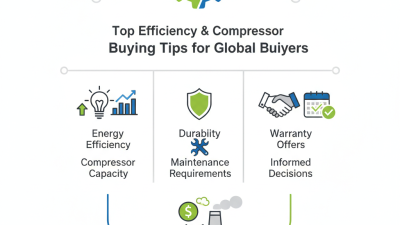
Choosing the right AC rotary compressor is crucial for your cooling needs. When selecting a compressor, consider the required cooling capacity. This is typically measured in BTUs. A compressor that is too small will struggle to cool your space effectively. Conversely, an oversized unit can lead to high energy costs and humidity problems.
Efficiency ratings are another important factor. Look for units with higher SEER (Seasonal Energy Efficiency Ratio) ratings. These units often cost more upfront but can save you money on energy bills over time.
Tips: Measure your room size accurately before making a choice. Consider the climate in your area. A more efficient compressor may be necessary in hotter areas.
Noise levels matter too. Some compressors operate quietly, while others can be quite loud. If installation is in a living space, select a quieter model.
It’s crucial to verify installation requirements. Some compressors require specific space and ventilation. Ensure that you have the right setup to avoid future issues.
Factors to Consider When Selecting a Rotary Compressor
Evaluating Energy Efficiency Ratings for Compressors
When selecting an AC rotary compressor, energy efficiency ratings are crucial. These ratings indicate how effectively a compressor converts electricity into cooling. A higher rating means lower energy consumption. This saves money on electricity bills and is better for the environment. Look for the Seasonal Energy Efficiency Ratio (SEER) and Energy Efficiency Ratio (EER) ratings. These numbers provide a clear picture of performance over different conditions.
Understanding these ratings can be overwhelming. Many consumers find it challenging to decipher technical jargon. It's important to compare ratings among various models. High efficiency may come with a higher upfront cost. But, in the long run, these compressors can lead to significant savings. Reflect on your actual cooling needs. Over-sized compressors can waste energy, while under-sized models might struggle, leading to higher costs.
Real-world performance can differ from rated efficiency. External factors, such as insulation and climate, play a role. Your local weather impacts how efficiently a compressor will work. Knowing how these factors interact with your chosen model is vital. It's not just about number comparisons; practical application is essential. So, ensure you choose the right fit for your specific situation.
How to Choose the Right AC Rotary Compressor for Your Air Conditioning Needs? - Evaluating Energy Efficiency Ratings for Compressors
| Model |
Cooling Capacity (BTU/h) |
Energy Efficiency Ratio (EER) |
Annual Energy Consumption (kWh) |
Refrigerant Type |
| R-1234yf |
24000 |
12.0 |
2000 |
R-410A |
| Model A1 |
18000 |
10.5 |
1500 |
R-32 |
| Model B2 |
30000 |
14.0 |
2200 |
R-410A |
| Model C3 |
24000 |
11.5 |
1900 |
R-32 |
| Model D4 |
36000 |
15.0 |
2500 |
R-410A |