How to Choose AC Compressors in 2026?

Choosing the right Ac Compressors in 2026 requires more than comparing cooling capacity and purchase prices. A compressor sits at the heart of an air-conditioning system, influencing efficiency, noise, reliability, and repair costs. One poor match can leave a workshop overheated, a supermarket’s products at risk, or a home facing repeated service visits.

In practical installations, technicians check several details before recommending a model. These include system capacity, voltage, refrigerant type, operating temperature, oil compatibility, and available space. Inverter compressors may reduce energy use during partial-load operation, while fixed-speed designs can offer simpler maintenance. The best option depends on the application, not on marketing claims alone. Manufacturer data sheets and verified performance ratings matter.

Refrigerant regulations and efficiency expectations are also changing in 2026. Buyers should confirm that the compressor fits the complete system and meets local technical requirements. A licensed professional can verify electrical protection, pipe sizing, starting current, and expected duty cycles. Small details matter.

I have seen selections fail because buyers focused only on horsepower. That shortcut can create excessive cycling, vibration, or disappointing efficiency. It is worth admitting that no single compressor suits every climate or building. This guide compares the main choices, explains the practical trade-offs, and highlights questions buyers should ask before ordering. Reliable decisions come from measured requirements, credible documentation, and realistic maintenance planning.
How to Choose AC Compressors in 2026?

What an AC Compressor Does and Why It Matters

An AC compressor is the system’s working heart. It raises refrigerant pressure and moves heat from your indoor space outdoors. Without this pressure change, the evaporator cannot absorb useful heat.

Choosing one in 2026 requires more than matching horsepower. A qualified technician should calculate the cooling load, check voltage, and confirm refrigerant compatibility. An oversized compressor may cool quickly, but it can cycle too often and leave rooms damp. An undersized unit may run for hours beside a warm window. Variable-speed compressors often provide steadier temperatures and lower starting current. However, their control boards can require more specialized diagnosis.

Look beyond capacity. Compare efficiency ratings, operating sound, oil requirements, and expected outdoor temperatures. Ask whether replacement parts and technical support will remain available. A compressor must also match the condenser, expansion device, wiring, and refrigerant charge. One mismatched component can reduce performance or damage the system. I have seen installations fail because a compressor looked identical but used different electrical protection. That mistake was expensive. No choice is perfect. A careful inspection matters more than a promising label. Keep service records, measure operating pressures, and investigate unusual humming before failure becomes unavoidable.
Which Compressor Types Fit Different AC Systems

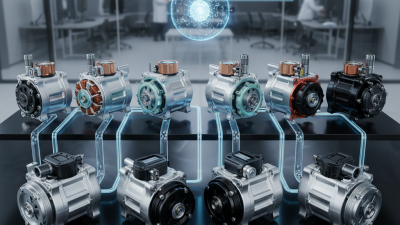
Choosing an AC compressor in 2026 starts with the system, not the catalog. A small fixed-speed split unit often suits a reciprocating compressor, especially where cost and easy servicing matter. Rotary compressors fit compact residential systems with moderate loads. Scroll compressors usually suit larger split systems and heat pumps because they run smoothly and tolerate frequent cycling. Capacity matters. Measure first.

Variable-speed scroll or rotary compressors work well when cooling demand changes throughout the day. They reduce abrupt starts and can improve comfort, but their controls and electronics require trained maintenance. The International Energy Agency’s Future of Cooling report estimates global cooling demand could more than triple by 2050, reaching about 6,200 TWh annually. Efficiency is no longer a minor specification.

Commercial systems need a different decision. Screw compressors suit steady, medium-to-large loads, while centrifugal compressors can perform efficiently in large chilled-water plants. However, part-load behavior, refrigerant compatibility, oil management, and sound limits must be checked together. The U.S. Energy Information Administration reported that space cooling represented about 19% of residential electricity consumption in 2020. That figure makes seasonal efficiency important, not just rated capacity. A common mistake is choosing an oversized compressor for faster cooling. It may cycle poorly, increase humidity, and wear sooner. I still question simplistic size rules. Field measurements often reveal the real load.

How to Choose AC Compressors in 2026?

Which Compressor Types Fit Different AC Systems

The chart shows broad, indicative cooling-capacity ranges commonly associated with major air-conditioning compressor types. Rotary compressors generally suit small room units, while scroll compressors are widely used in residential and light commercial systems. Reciprocating compressors support a broad range of packaged and commercial applications, screw compressors are suited to large commercial and industrial systems, and centrifugal compressors are typically selected for high-capacity water-cooled chillers. Actual selection should also consider refrigerant compatibility, efficiency at part load, modulation method, operating temperature, noise, maintenance requirements, and system controls.

Capacity ranges are approximate industry reference values in kW of cooling output and can vary significantly by refrigerant, compressor design, evaporating and condensing conditions, and system configuration.

How to Match Capacity, Refrigerant, and Operating Conditions

Choosing an AC compressor in 2026 starts with matching capacity to the real cooling load, not a catalog estimate. Calculate room size, insulation, sunlight, occupancy, ventilation, and internal heat. A compressor that is too small may run continuously and lose comfort. An oversized unit can short-cycle, waste energy, and control humidity poorly. Field experience suggests checking the load twice. Initial assumptions are often too optimistic.

Refrigerant selection must match the compressor, expansion device, oil, pressure range, and system design. Never treat refrigerant as a simple replacement fluid. Confirm approved refrigerant requirements and local environmental rules before installation.

Then compare compressor capacity at the actual evaporating and condensing temperatures. Nominal capacity can mislead. A unit rated at one condition may perform very differently during a hot afternoon.

Operating conditions deserve equal attention. Review outdoor design temperature, indoor setpoint, voltage, altitude, airflow, startup frequency, and expected seasonal cycling. Choose a compressor with suitable pressure limits and motor protection. Ask for performance data, sound levels, efficiency ratings, and test conditions from reliable technical documents.

I have seen selections fail because installers trusted tonnage alone. That shortcut saves minutes during design, but it can create months of unstable operation. Test measurements after commissioning may expose errors in the original calculation.

How to Compare Efficiency, Reliability, and Smart Control Features

Choosing an AC compressor in 2026 means comparing more than rated capacity. Efficiency must reflect real operating conditions. The IEA’s The Future of Cooling report estimates that global space-cooling energy demand could more than triple by 2050 without stronger efficiency measures. Seasonal efficiency ratings therefore matter more than peak performance alone. Check part-load efficiency, operating range, and power quality requirements. A compressor that performs well at 100% load may waste energy during mild weather.

Reliability depends on oil management, vibration control, discharge temperature, and service access. The ASHRAE Handbook—HVAC Systems and Equipment recommends evaluating compressors across expected load and ambient conditions, not only laboratory points. Smart controls can adjust capacity, record fault codes, and detect abnormal pressure or temperature trends. Useful data should be visible to technicians, not buried in an app. The U.S. Department of Energy also recognizes variable-speed operation as a practical way to match cooling output with changing demand. That sounds simple. It is not always simple. Poor sensor placement can create false alarms, while aggressive cycling may shorten component life. My preferred comparison uses five-year energy costs, verified test data, maintenance records, and control-system compatibility. A lower purchase price can become expensive when every fault requires specialist intervention.

How to Choose AC Compressors in 2026? - How to Compare Efficiency, Reliability, and Smart Control Features

Compressor Type Typical Application Capacity Control Typical System Efficiency Potential Part-Load Performance Reliability Profile Typical Service Life Noise and Vibration Smart Control Compatibility Relative Initial Cost Best Selection Scenario
Fixed-Speed Reciprocating Small residential air conditioners, heat pumps, and light commercial units Compressor runs at one speed; capacity is controlled mainly by on/off cycling Standard
Often suitable for entry-level systems; whole-system efficiency commonly depends heavily on coil, fan, and controls
Lower, because frequent starts and stops can reduce seasonal efficiency during mild weather Proven mechanical design; sensitive to liquid refrigerant return, oil management, and frequent cycling Approximately 10–15 years when correctly sized, installed, and maintained Generally higher starting noise and vibration than scroll or variable-speed designs Basic thermostat, contactor, pressure protection, and fault monitoring; limited modulation Low Budget-focused replacements, simple installations, and locations with straightforward operating conditions
Fixed-Speed Scroll Residential and light commercial split systems, rooftop units, and heat pumps One operating speed; capacity is controlled through cycling or staged system design Medium to High
Usually more efficient and smoother than fixed-speed reciprocating designs in comparable systems
Moderate; efficiency improves when paired with good staging, thermostatic expansion control, and correctly sized heat exchangers Fewer reciprocating parts and good tolerance to normal operating loads; still requires correct lubrication and refrigerant charge Approximately 12–18 years under normal commercial or residential conditions Lower vibration and smoother operation than many reciprocating compressors Compatible with staged controls, electronic expansion valves, protection sensors, and connected monitoring gateways Low to Medium A balanced choice when reliability and moderate efficiency are needed without variable-speed complexity
Two-Stage Scroll Higher-efficiency residential systems and small commercial applications with changing loads Two capacity stages, commonly using a controlled unloading or bypass mechanism High
Can support higher seasonal efficiency than single-stage equipment when the complete system is matched correctly
Good; lower-capacity operation can reduce cycling and improve humidity control during moderate demand Strong operating history; additional controls and valves introduce more components that must be diagnosed correctly Approximately 12–18 years with proper commissioning and maintenance Low to moderate noise, with fewer abrupt starts at normal part-load conditions Supports staged thermostats, advanced diagnostics, demand response, and remote performance data Medium Homes or buildings requiring improved comfort, humidity control, and seasonal efficiency
Variable-Speed Scroll Premium residential systems, efficient light commercial systems, and applications with long part-load periods Inverter-driven variable-speed motor, allowing continuous or near-continuous capacity modulation Very High
Can deliver strong seasonal efficiency because output closely follows the building load
Very good; reduced cycling losses and stable operation can improve comfort and humidity management Mechanical reliability is generally strong, but inverter electronics require protection from heat, moisture, voltage variation, and poor power quality Approximately 12–18 years; electronic components may have different replacement requirements Usually very quiet at low and medium speeds, with low vibration when properly mounted Strong compatibility with adaptive algorithms, cloud monitoring, fault codes, soft starting, demand response, and load limiting High Projects prioritizing low operating cost, precise comfort, quiet operation, and advanced energy management
Inverter Rotary Room air conditioners, ductless systems, variable-capacity heat pumps, and compact commercial equipment Variable-speed inverter control with continuously adjustable rotational speed High
Efficient at partial load when the indoor and outdoor heat exchangers are properly matched
Very good; maintains temperature with longer, lower-speed run cycles instead of frequent full-capacity starts Compact and efficient, but performance depends on clean refrigerant circuits, stable electrical supply, and inverter cooling Approximately 10–15 years, depending on duty cycle, climate, and service quality Typically quiet, especially at reduced speed; fan and mounting design also affect perceived sound Commonly supports Wi-Fi control, occupancy sensing, self-diagnostics, energy reports, scheduling, and error notifications Medium to High Variable-capacity ductless or compact systems where quiet operation and efficient part-load control are important
Twin-Screw Medium and large commercial chillers, process cooling, and central plant applications Capacity is adjusted through a slide valve, variable-volume-ratio mechanism, or inverter drive High
Well suited to large systems requiring efficient operation across a wide load range
Good to very good, particularly when variable-speed drives and optimized plant sequencing are used Robust for continuous-duty service; requires careful oil separation, filtration, vibration monitoring, and scheduled maintenance Approximately 15–25 years in well-maintained commercial installations Moderate sound and vibration; acoustic treatment and resilient mounting may be required Strong integration with building management systems, predictive maintenance, remote alarms, power metering, and load-shedding controls High Large cooling loads, long operating hours, and projects where lifecycle cost is more important than minimum purchase price
Selection notes: Efficiency values are shown as practical comparative ranges rather than compressor-only ratings. Actual performance depends on refrigerant, evaporating and condensing temperatures, heat-exchanger design, motor efficiency, controls, installation quality, climate, and maintenance. Service-life estimates are typical planning ranges, not guarantees. Before purchase, verify capacity at the required operating conditions, refrigerant compatibility, sound limits, voltage quality, spare-parts availability, safety protections, and compliance with local 2026 efficiency regulations.

How to Verify Compatibility, Installation, and 2026 Requirements

How to Choose AC Compressors in 2026?

Compatibility starts with operating conditions, not compressor size alone. Before ordering, record the system’s refrigerant, cooling capacity, voltage, phase, oil type, and maximum pressure. A compressor may fit physically yet fail electrically or thermally. Match the refrigerant exactly, including approved oil and pressure limits. Check the evaporator and condenser design too. Do not trust appearance.

I have learned that field measurements expose problems quickly. Measure suction and discharge pressure, voltage under load, current draw, and superheat. Compare these readings with the equipment data sheet.

Confirm mounting points, pipe diameter, vibration clearance, and controller communication. During installation, clean the circuit, replace damaged seals, evacuate it properly, and test for leaks before charging. Keep records.

Check local 2026 requirements before selecting the replacement. They may cover refrigerant restrictions, minimum efficiency, electrical protection, noise, technician qualifications, and documentation. Requirements can differ by country, region, and building type. Ask for current technical files, efficiency ratings, safety data, and installation instructions from a reliable supplier. Energy labels alone are not enough. A rushed compatibility check can create repeat failures, higher power use, or unsafe pressure conditions. My own early inspections were too focused on capacity. That was a mistake. The complete operating environment matters more.