The Best Compressor for Cooler Options You Should Know?
When selecting a Compressor For Cooler, it's crucial to understand your options. A cooler with the right compressor boosts performance and efficiency. Many people overlook this aspect when choosing a cooler, leading to subpar experiences.
Understanding the features of various compressors can help you make a better choice. Some compressors are quieter, while others cool faster. Evaluating these features can seem overwhelming, but taking the time to research is essential. A well-chosen compressor can enhance your cooling experience significantly.
However, not all brands offer reliable compressors. Some might claim efficiency but fail in the long run. It’s important to consider user reviews and expert recommendations. Finding the right Compressor For Cooler involves navigating these variables to ensure you invest wisely and get the best functionality.
Understanding the Role of Compressors in Cooler Systems
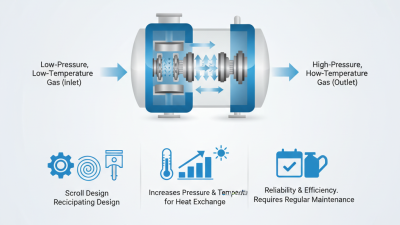
Compressors play a vital role in cooler systems, impacting performance and efficiency. They are responsible for converting low-pressure refrigerant gas into high-pressure gas. This process is essential for maintaining the desired temperature in any cooling system. A well-functioning compressor ensures that the cooler can manage heat effectively, extending its lifespan and improving energy consumption.
Choosing the right compressor affects the entire cooler's operation. Different applications may require various compressor types, such as rotary, scroll, or reciprocating. Each has its strengths and weaknesses. The compressor must match the cooler's requirements for optimal performance. However, users often overlook efficiency ratings. Some compressors can be overly loud or consume more power than expected. This makes selecting the ideal compressor a task that requires careful consideration and research.
Reliability and maintenance also come into play. Compressors can wear out over time, especially under heavy loads. Regular maintenance helps keep them in good condition. Users need to monitor their cooler systems regularly. Simple checks can prevent costly repairs down the line. Thus, understanding the role of compressors in cooler systems is crucial for achieving long-term satisfaction and efficiency.
The Best Compressor for Cooler Options You Should Know
| Compressor Type |
Cooling Capacity (BTU/h) |
Power Consumption (W) |
Refrigerant Type |
Noise Level (dB) |
Efficiency Rating |
| Reciprocating |
8000 |
700 |
R134a |
60 |
A++ |
| Scroll |
10000 |
800 |
R410A |
55 |
A+++ |
| Rotary |
7500 |
600 |
R22 |
65 |
A+ |
| Turbo |
12000 |
900 |
R32 |
70 |
A++ |
Types of Compressors: An Overview of Options Available
When choosing a compressor for cooling applications, it’s essential to understand the types available. Each type has its unique features and applications. The most common compressors include reciprocating, rotary, and scroll options. These different mechanisms result in varying efficiencies and noise levels, which can impact your choice.
Reciprocating compressors are popular for their versatility. They can handle various refrigerants and perform well in fluctuating conditions. However, they tend to be noisier than other types. Rotary compressors offer a compact design, making them ideal for smaller spaces. They operate smoothly but may have limitations in terms of cooling capacity. Scroll compressors are known for their high efficiency and quieter operation. They are increasingly favored in commercial systems but can be more costly.
Selecting the right compressor involves balancing these factors. Efficiency and noise levels often compete with cost and capacity. A poorly matched compressor can lead to system failures and increased energy bills. It's crucial to assess the specific requirements of your cooling system before making a decision.
Key Features to Look for in a Cooler Compressor
When selecting a cooler compressor, key features can dramatically impact performance. Efficiency is paramount. High-efficiency compressors can improve energy savings by up to 30%. An Energy Star rating often signifies a reliable product. Look for models with low power consumption and high cooling capacity. This combination enhances effectiveness, especially during peak usage.
Noise level is another critical factor. Compressors with advanced sound insulation operate quietly, adding comfort to your environment. Many high-quality compressors maintain noise levels below 50 decibels. This is essential for homes or places requiring tranquility. Regularly reviewing user feedback can help identify models that excel in this area.
Durability is vital as well. A compressor should withstand various temperatures and conditions. Reports indicate that compressors with robust materials extend the lifespan significantly. It's important to consider warranties that reflect manufacturer confidence. Lastly, understanding installation requirements can prevent performance issues. A poorly installed compressor can lead to inefficiencies. Assessing these features ensures a well-informed decision for long-term reliability.
Evaluating Performance: Efficiency and Power Consumption
Choosing the right compressor for coolers hinges on two critical factors: efficiency and power consumption. Efficiency ratings are commonly expressed in EER (Energy Efficiency Ratio) and SEER (Seasonal Energy Efficiency Ratio). A higher EER indicates that a compressor operates more efficiently, consuming less energy to provide the same cooling output. Reports suggest that compressors with an EER of 12 or above are more desirable, especially for residential units. This detail can lead to significant savings on energy bills over time.
Power consumption is another essential consideration. The average cooler compressor uses between 300 to 800 watts, with the energy consumed varying based on usage and outside temperatures. In some cases, the compressor’s duty cycle can lead to fluctuating energy demands. Inadequate insulation or improper sizing can even result in higher consumption than intended. It’s worth analyzing these aspects when making a decision.
Industry data indicate that newer models are designed to optimize power use. For example, inverter technology can reduce power consumption significantly compared to traditional compressors. Still, users must weigh the initial investment against long-term savings. Understanding energy labels, while sometimes confusing, can also guide choices effectively.
Top Brands and Models of Compressors for Coolers
When it comes to coolers, selecting the right compressor is crucial. Various brands offer models that excel in efficiency and durability. Some options focus on quiet operation, making them ideal for home use. Others are designed for rugged outdoor conditions, where reliability is essential.
Different models come with unique features. Some compressors are energy-efficient, reducing power consumption while maintaining strong cooling performance. Others may have adjustable temperature settings, allowing for greater user control. Keep in mind that high-performance models often come at a higher price. However, the investment can pay off in terms of longevity and efficiency.
There are options available for different needs. Some compressors are lightweight and portable, suitable for camping or picnics. Others are larger and better suited for long-term storage and usage. It's important to assess your requirements before making a choice. Consider the intended use, space, and budget closely. Not every model will meet your expectations, so reading user reviews can provide valuable insights.