Top Air Conditioning Compressor Suppliers Worldwide

The global demand for reliable cooling is reshaping the compressor supply chain. The International Energy Agency reports that space cooling and electric fans consume nearly 10% of global electricity. Its Future of Cooling analysis also projects cooling electricity demand could more than triple by 2050. These figures make the Air Conditioning Compressor a critical component, not merely a replaceable machine part.

This guide examines top Air Conditioning Compressor suppliers worldwide through practical and technical criteria. These include compressor efficiency, refrigerant compatibility, operating range, noise control, warranty support, and verified production capacity. Manufacturers serving residential, commercial, and industrial markets require different strengths. A scroll compressor may suit a quiet office system, while a screw or reciprocating model may support demanding industrial loads. Small details matter, including oil return, vibration levels, and service access.

The Kigali Amendment is also influencing supplier strategies. The United Nations Environment Programme identifies refrigerant transition as an important pathway for reducing environmental impact. Suppliers increasingly develop systems compatible with lower-global-warming-potential refrigerants, including R-32 and certain hydrofluoroolefins. Compliance is not enough. Real-world performance still depends on installation quality and maintenance.

That matters.

Public market reports often present different market sizes and growth rates. Their methods are not identical, so comparisons require caution. A supplier with the largest catalog may not offer the strongest regional support. Conversely, a smaller manufacturer may provide better engineering cooperation. This overview therefore considers documented expertise, operating evidence, certifications, and customer service rather than rankings alone. The goal is a more dependable view of global compressor suppliers, while recognizing that no single list remains perfect.
Top Air Conditioning Compressor Suppliers Worldwide

Global Air Conditioning Compressor Supplier Landscape

Top Air Conditioning Compressor Suppliers Worldwide

The global air conditioning compressor supplier landscape is expanding with cooling demand. The International Energy Agency reports that space cooling could become the largest source of electricity demand growth by 2050. Its The Future of Cooling analysis also estimates that global air conditioner ownership may rise from 2.1 billion units today to 5.6 billion by 2050. This creates strong pressure on compressor capacity, efficiency, and refrigerant compatibility.

Supplier competition is increasingly regional. East Asia remains a major manufacturing center, while Europe and North America emphasize efficiency standards, low-emission refrigerants, and specialized industrial systems. The European Commission’s Ecodesign framework continues to influence compressor performance requirements. Meanwhile, the United Nations Environment Programme links refrigerant transition with energy efficiency, especially in rapidly urbanizing markets. Buyers now examine seasonal efficiency, noise levels, inverter control, warranty support, and delivery resilience.

Cost still matters, but it is no longer enough. A low purchase price can hide higher energy use or difficult maintenance. The International Energy Agency notes that inefficient cooling equipment can significantly increase peak electricity demand during hot periods. Supplier evaluations should therefore include factory audits, laboratory test records, spare-parts access, and verified operating data. The landscape is not perfectly transparent. Public reports often combine compressors with broader cooling equipment, which weakens direct comparisons. That gap needs attention. Procurement teams should verify figures independently before selecting long-term supply partners.
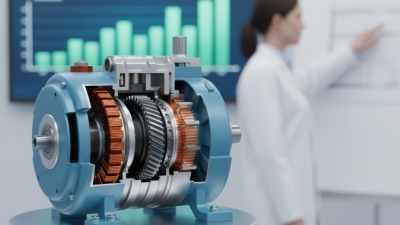

Leading Suppliers and Their Regional Market Strengths

Top Air Conditioning Compressor Suppliers Worldwide

Leading suppliers show different strengths across regional markets. East Asian manufacturers often excel in high-volume production, compact designs, and flexible customization. Their factories may support fast tooling changes and large seasonal orders. European suppliers usually emphasize energy efficiency, low-noise operation, and strict testing procedures. These features suit commercial buildings, heat pumps, and sustainability-focused projects.

North American suppliers often perform strongly in heavy-duty systems. Their compressors commonly serve warehouses, supermarkets, and large industrial facilities. They understand wide temperature ranges and demanding maintenance schedules. Suppliers in Southeast Asia can offer competitive pricing and responsive regional delivery. However, capacity and quality may vary between facilities. No region is perfect. A low quotation can hide longer lead times or weaker technical support.

Tips: Check oil compatibility, voltage, refrigerant approval, and operating temperature before comparing prices. Request vibration data and endurance-test records. Visit the production site when possible. A factory audit can reveal basic details, such as storage conditions and calibration practices. I have found that communication speed matters as much as efficiency ratings. Some suppliers provide excellent samples but struggle with repeat orders. Buyers should review service response times, spare-part access, and warranty terms in writing. Regional strength is useful, but application fit remains more important.

Major Compressor Technologies and Product Categories

Top Air Conditioning Compressor Suppliers Worldwide

Compressor technology determines how an air-conditioning system starts, modulates, and handles changing loads. The main designs include reciprocating, rotary, scroll, screw, and centrifugal compressors. Each has a practical niche. Reciprocating units suit smaller systems and serviceable applications. Rotary and scroll models support compact residential equipment. Screw compressors serve medium and large commercial plants. Centrifugal compressors handle high-capacity chilled-water systems.

Product categories also differ by drive method and control strategy. Fixed-speed compressors run at one output, then cycle off. Inverter compressors vary motor speed and reduce temperature swings. Variable-speed control usually improves part-load efficiency, but electronics add heat, cost, and maintenance needs. Hermetic units protect the motor inside a sealed shell. Semi-hermetic designs allow easier servicing. Open-drive compressors offer flexible motor replacement, though shaft seals demand careful inspection.

The International Energy Agency’s The Future of Cooling report estimates global space-cooling electricity demand could exceed 6,200 TWh by 2050.

That projection increases pressure on efficient compressor selection. Field engineers should compare seasonal efficiency, starting current, refrigerant compatibility, noise, and replacement access. A high efficiency rating is useful. It is not the whole decision. Poor installation can erase expected savings through incorrect charge, dirty coils, or unstable airflow. Some supplier comparisons also mix laboratory ratings with real operating conditions. That weakness deserves attention. Procurement teams should request test standards, operating maps, warranty terms, and documented service data before choosing a compressor category.

Efficiency, Quality Standards, and Reliability Factors

Top Air Conditioning Compressor Suppliers Worldwide

Efficiency, quality standards, and reliability separate capable compressor suppliers from weak ones. According to the International Energy Agency’s The Future of Cooling report, global cooling electricity demand could more than triple by 2050. This pressure makes seasonal efficiency, part-load performance, and intelligent capacity control essential. A compressor should not only perform well at laboratory conditions. It must remain stable during dusty summers, voltage fluctuations, and frequent cycling.

Quality evidence matters. Suppliers should provide verified efficiency data, pressure testing records, noise measurements, and traceable production controls. ISO 9001 certification supports process consistency, but certification alone proves little. Independent testing remains valuable. The U.S. Department of Energy also emphasizes standardized testing for comparable efficiency ratings. Reliability depends on more than motor design. Oil compatibility, vibration control, thermal protection, and spare-part availability influence service life. Field experience often reveals weaknesses that brochures hide. That is an uncomfortable truth.

Tips: Compare seasonal metrics, not only peak capacity. Request test conditions in writing. Check failure-rate data from similar climates. Review warranty exclusions carefully. Ask how refrigerant transitions affect future maintenance. The UNEP Ozone Secretariat links lower-emission refrigerants with the Kigali Amendment’s climate benefits, but every refrigerant change requires compressor compatibility checks. Do not assume newer means better. A slightly less advanced unit may deliver stronger uptime when technicians, parts, and controls are readily available. Evaluate the complete operating system, not the compressor alone.

How to Compare and Select a Global Supplier

Top Air Conditioning Compressor Suppliers Worldwide

How to Compare and Select a Global Supplier

Comparing global compressor suppliers requires more than checking unit prices. Match each model with your actual cooling load, refrigerant, voltage, and operating temperature. Request performance data at conditions close to your installation. A compressor rated at 35°C may behave differently in a 45°C rooftop system. Review seasonal efficiency, oil compatibility, noise levels, vibration control, and expected service life. Ask for test records, material traceability, and quality procedures. Certifications matter, but they should support technical evidence, not replace it.

Supplier reliability also appears after the purchase. Examine production capacity, lead times, spare-parts availability, warranty terms, and technical response times. A video factory audit can reveal testing equipment, storage conditions, and packaging practices. Request references from projects with similar climate and workload. Compare total cost, including freight, installation support, maintenance, and possible downtime. Price alone is a weak filter. It often hides risk.

Use a sample order before committing to large volumes. Measure startup current, discharge temperature, sound, and energy use under real conditions. Keep the evaluation records. They make discussions more precise. Procurement teams sometimes overvalue polished presentations and overlook slow service replies. We have all seen spreadsheets look convincing. They are not the field. A supplier may meet every specification yet fail during an urgent parts request. That possibility deserves a clear question.