China Top 10 Danfoss Scroll Compressor Suppliers?
Choosing reliable suppliers for a Danfoss Scroll Compressor requires more than comparing prices on a supplier directory. Buyers must examine technical knowledge, product authenticity, service capacity, and delivery performance. A supplier may offer attractive quotations, yet weak documentation or limited after-sales support can create expensive delays.
This guide reviews ten notable China-based suppliers connected with Danfoss Scroll Compressor sourcing and distribution. The selection focuses on practical indicators, including authorization evidence, model availability, compressor specifications, warehouse conditions, export experience, and response quality. Clear communication matters. So does traceability.
Real purchasing work is rarely perfect. Some supplier information changes quickly, and public listings may not show current stock or authorization status. Therefore, readers should request serial-number verification, technical datasheets, warranty terms, and recent business references before placing an order. Ask direct questions. Check the details.
The guide also considers how suppliers support common HVAC and refrigeration applications. Experienced teams should explain capacity ranges, refrigerant compatibility, voltage requirements, oil specifications, and installation limitations without vague promises. They should understand system matching, not merely repeat catalog descriptions.
A lower price is not always a lower total cost. Packaging quality, shipping protection, lead time, and replacement support can affect project results. Even experienced buyers can overlook one small detail, especially during urgent procurement. That possibility deserves attention.
Use this overview as a starting point, not a final verdict. Compare evidence carefully, confirm current Danfoss relationships, and evaluate each supplier against your operating conditions. Reliable decisions come from verification, technical discussion, and realistic expectations.
What Are Danfoss Scroll Compressors and How Are They Used?
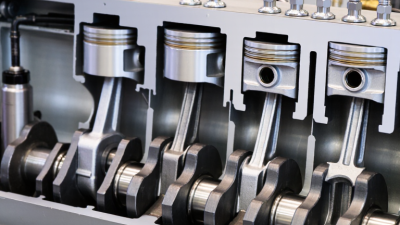
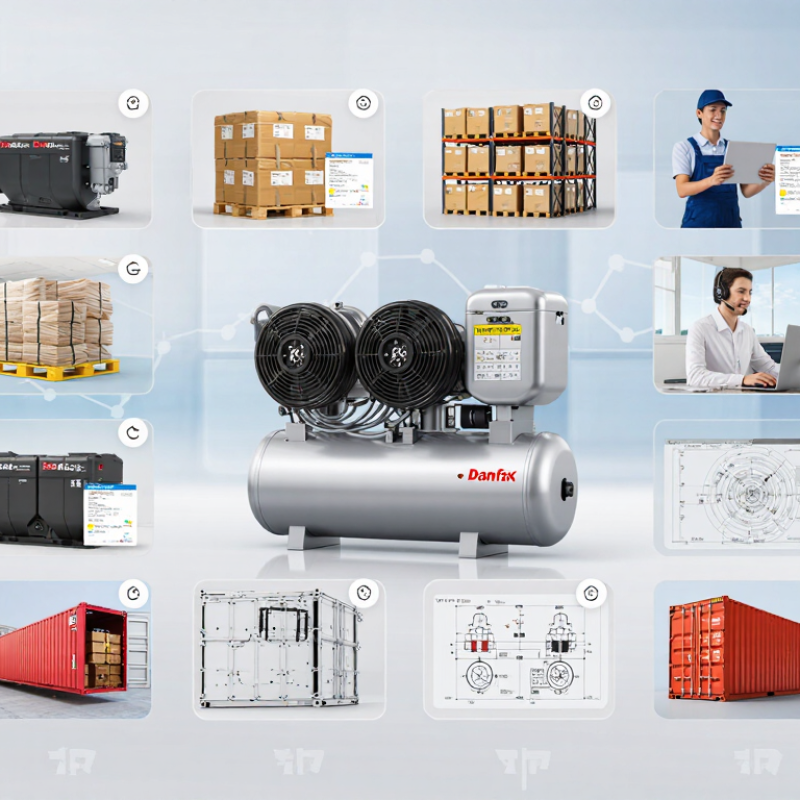
Scroll compressors are positive-displacement machines used in air conditioners, heat pumps, chillers, and commercial refrigeration. Two interlocking spiral elements compress refrigerant smoothly. One orbiting scroll moves around a fixed scroll, creating sealed pockets that shrink toward the discharge port.
This design reduces vibration and usually operates more quietly than many reciprocating alternatives. It also suits variable-speed systems, where capacity changes with room load. The International Energy Agency reported that global heat-pump sales grew by nearly 15% in 2021. That growth increases demand for compact, efficient compression technology.
In practical installations, a scroll compressor may serve a rooftop unit, supermarket cabinet, or residential heat pump. Technicians check oil return, suction superheat, discharge temperature, and airflow during commissioning. A small airflow problem can raise discharge temperatures quickly.
Field results can disappoint. Poor pipe sizing, liquid return, or repeated short cycling may reduce efficiency and shorten service life.
The U.S. Department of Energy states that heat pumps can use about 50% less electricity for heating than electric resistance systems. However, actual savings depend on climate, controls, insulation, and maintenance. That estimate is useful, but not universal.
Regular filter cleaning and correct refrigerant charging remain essential. Insulation is often overlooked.
How Were the Top 10 Chinese Danfoss Compressor Suppliers Selected?
Selecting a credible Chinese compressor supplier requires more than comparing catalog prices. Our shortlist began with manufacturers and established exporters serving commercial refrigeration projects. We examined factory capability, product consistency, technical support, and documented delivery experience. The ranking was editorial, not an official certification.
Each candidate was checked through business records, product datasheets, test reports, warranty terms, and spare-parts availability. We also reviewed compressor capacity, voltage options, refrigerant compatibility, noise control, vibration performance, and operating-temperature data. Supplier responses mattered too. Clear replies usually indicated stronger engineering support. A polished website could not replace verifiable evidence.
Tips: Request recent test documents. Ask for serial-level traceability. Confirm lead times in writing. Do not rely on price alone. Factory visits or live video inspections can reveal storage conditions, assembly quality, and testing equipment. Some public records were incomplete, so we used conservative judgments rather than generous assumptions. This approach may exclude smaller suppliers with genuine ability, which remains a limitation. Procurement teams should repeat these checks before placing large orders.
How Do These Suppliers Compare in Quality, Pricing, and Support?
Comparing the top ten scroll compressor suppliers requires more than checking catalog prices. The International Energy Agency reports that global space-cooling electricity demand could more than triple by 2050, reaching about 6,200 TWh. This pressure makes efficiency, durability, and serviceability practical buying criteria.
Quality differences appear in motor protection, vibration control, oil management, and factory testing. Suppliers with traceable test records and recognized certification usually offer safer performance. However, certification does not guarantee identical results in every system. Refrigerant choice, condenser cleanliness, and installation quality still matter. Field engineers often learn this the hard way.
Pricing should include freight, commissioning, spare parts, and expected downtime. A cheaper unit may become expensive after one delayed repair. Support quality is easier to measure through response times, local inventory, training, and warranty clarity. The U.S. Department of Energy also links efficient cooling equipment with lower lifetime energy costs, not merely lower purchase prices. The strongest suppliers provide selection software, application guidance, and documented failure analysis. Some rankings remain imperfect because public data rarely compares all ten suppliers under identical loads. Buyers should request equal-capacity quotations, sound data, seasonal efficiency figures, and written service commitments before deciding.
China Top 10 Danfoss Scroll Compressor Suppliers: Quality, Pricing, and Support Comparison
This comparative index uses a 0–100 scoring scale. Quality reflects manufacturing consistency, certification readiness, and product documentation; pricing reflects overall cost competitiveness; and support reflects technical assistance, communication, warranty handling, and delivery coordination. Higher scores indicate stronger performance in each category.
What Should Buyers Check Before Choosing a Chinese Supplier?
Choosing among China’s top scroll compressor suppliers requires more than comparing online rankings. Buyers should verify factory ownership, production capacity, and experience with their refrigerant and voltage requirements. A video tour helps, but an independent factory audit is stronger. Check machining areas, cleanliness, testing equipment, and finished-goods storage. Ask for recent quality records, not polished marketing sheets.
Technical documents must match the actual product. Review performance curves, operating limits, noise levels, oil specifications, and energy data. Confirm that each unit receives pressure, insulation, vibration, and leak testing before shipment. Request sample units for testing under your own load conditions. One sample is useful. A wider batch is safer.
Reliable suppliers explain lead times, spare-part availability, packaging details, and warranty procedures in writing. Check serial-number traceability from assembly to final inspection. Clarify who pays for defective units, transport, and field troubleshooting. Communication matters when a compressor fails on a hot weekend. Ask for references from comparable applications, then contact those customers directly. Low prices can hide weak testing or inconsistent components. That risk deserves a real calculation.
Do not rely on certificates alone. Verify their validity and issuing bodies. Also, question impressive claims that lack measurable evidence. Supplier selection is rarely perfect; even experienced buyers can overlook after-sales delays. A small pilot order, clear acceptance criteria, and staged payments can reduce that exposure.