Top 10 Haier Motor Manufacturers for Global Buyers
Global buyers comparing Haier Motor suppliers need more than a familiar brand name. They need dependable performance, clear specifications, and support that continues after shipment. The International Energy Agency’s 2011 report, Energy-Efficiency Policy Opportunities for Electric Motor-Driven Systems, estimated that motor-driven systems use about 45% of global electricity. The figure is a useful industry benchmark, though it is not a current market measurement. Even small efficiency differences can matter across equipment running for thousands of hours.
Details count. IEC 60034-30-1 defines efficiency classes for many line-operated AC motors, helping buyers compare documented performance. Yet a class label alone cannot establish whether a motor fits a specific duty cycle. Voltage, speed, mounting dimensions, insulation, cooling, and operating environment all affect suitability. Buyers should also verify test records, certifications, warranty terms, production capacity, and export support directly with each manufacturer. Specifications can look tidy on paper. Real installations are less tidy.
This Top 10 Haier Motor Manufacturers for Global Buyers guide is intended to make that screening more practical. It considers product coverage, customization, quality documentation, communication, and after-sales service—not just catalog claims. Rankings should be treated as a starting point, not a substitute for technical review or supplier audits. Some public information may be incomplete, and that deserves scrutiny. Request drawings, performance curves, and written confirmation before placing an order. A careful comparison can reduce avoidable delays and help buyers match a supplier to the application, rather than choosing by name alone.
Overview of Haier Motor Manufacturing and Its Global Supply Network
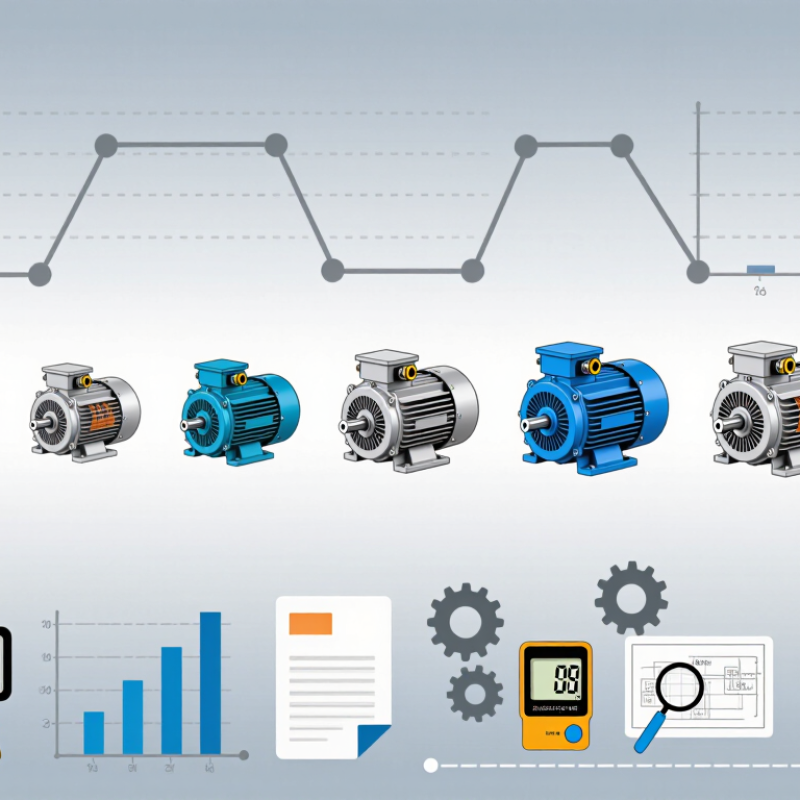
Motor manufacturing for a large appliance program can involve component plants, assembly lines, and regional distribution hubs. At the factory, copper windings and laminated steel cores are assembled, then rotors are balanced to limit vibration. End-of-line checks may measure noise, temperature, and electrical performance. Details can vary.
A global supply network connects these production steps with suppliers of metal, insulation, bearings, and control parts. Finished motors may travel by sea to regional warehouses, then move by truck to appliance factories or service centers. For buyers, shipping time is only one measure. Ask how suppliers track material batches, handle quality issues, and maintain replacement-part availability. Clear records help teams trace a problem to a production lot rather than guess across shipments.
Factory audits and test reports offer useful evidence, but they do not show every daily variation. A sample may perform well while a later batch reveals a change in noise or fit. That matters. Buyers should compare specifications, request recent inspection data, and confirm how changes to materials or production are communicated. A weak point in this review is that public information rarely reveals the full supplier map. Direct questions, supported by documented answers, are more reliable than assumptions about where every component is made.
Key Criteria for Evaluating Haier Motor Manufacturers
When evaluating manufacturers of motors for household appliances, start with the operating requirements, not a catalogue headline. Confirm rated voltage, output, speed range, duty cycle, and mounting dimensions against the actual equipment. Ask for winding insulation details and documented temperature-rise results. Compare these records across suppliers. Check the evidence.
Request sample units and test them under realistic load. Listen for changes in noise, and measure vibration after the motor reaches operating temperature. A quiet bench test may not predict performance inside a cabinet, where airflow and resonance differ. Verify efficiency data and test conditions; figures without methods are hard to compare. Small differences matter.
Review quality controls, too. Ask how incoming materials, winding tolerances, and final inspections are recorded. Look for traceable batch records and a clear process for handling defects. Confirm lead times, spare-part availability, and communication during design changes. A low quotation can look attractive, yet unclear tolerances may create costly assembly adjustments later. No checklist catches every issue; real fit can still surprise. Share drawings and expected operating conditions before approval, and keep written acceptance limits for samples and production units.
Top 10 Haier Motor Manufacturers: Profiles and Core Capabilities
A useful top-ten supplier review should compare engineering fit, not just quoted price. The first four profiles often include compact-motor specialists, high-volume appliance motor producers, custom winding workshops, and suppliers focused on quiet operation. Their capabilities may include customized shaft dimensions, thermal protection, vibration control, and production testing. Ask for drawings and test conditions; a capability claim means little without them.
Other profiles may specialize in geared drives, variable-speed systems, sealed motors for humid settings, energy-efficient designs, replacement units, or integrated motor assemblies. Check each supplier’s materials, quality controls, sample lead time, and ability to maintain consistent output across repeat orders. Request evidence such as inspection records and performance curves. A factory visit or independent sample test can reveal gaps that brochures miss. Rankings are imperfect: the best match depends on duty cycle, operating temperature, installation space, and service expectations.
Tips: Share your voltage, speed, torque, duty cycle, and mounting dimensions before requesting a quote. Compare equivalent specifications, not headline prices. Keep one unresolved question on your checklist; suppliers sometimes overlook small details.
Comparing Product Range, Quality Standards, and Export Services
When comparing ten motor manufacturers, assess product range against the actual workload, not just the number of models listed. Check rated power, speed, voltage, mounting dimensions, insulation class, and enclosure protection. A supplier serving pumps, fans, and conveyors may offer useful flexibility, but confirm that the required configuration is available for your order quantity. Request a sample data sheet and a clear explanation of any custom options. Details matter.
Quality claims need evidence. Ask which standards apply to the specific motor and request current test records, inspection procedures, and traceable production information. A certificate alone may not cover every model or factory. If possible, review sample inspection results and clarify how defects are handled. This takes time, but vague answers can become expensive later.
Export service deserves equal attention. Compare quotation accuracy, production lead times, export documents, packaging specifications, spare-part availability, and response speed across time zones. Ask how motors are protected against moisture and impact during shipment; a sturdy crate and sealed terminals matter on long routes. No supplier is perfect, and polished sales language is not proof of reliable delivery. Test communication with a detailed technical question before placing a large order. A slow or incomplete reply is worth noting, though one missed message should not decide everything.
Choosing a Haier Motor Manufacturer for Your Market and Application
Choosing a motor manufacturer for your market starts with the machine, not a catalog headline. Record supply voltage, frequency, torque, speed, duty cycle, and available mounting space. A pump in a humid coastal workshop has different needs from a fan operating indoors. Small details matter. Ask whether the supplier can provide drawings, test data, and clear answers about operating limits. These documents make comparisons more useful than a low quotation alone.
Match the motor design to the application and local operating conditions. For continuous use, review temperature rise, insulation class, cooling, and expected service intervals. For equipment that starts under load, discuss starting torque and current with an engineer. Check shaft dimensions, frame fit, connectors, and noise targets before approving a sample. Confirm any market-specific certification requirements with a qualified professional. A realistic load test can reveal vibration or heat that a basic bench check misses. It takes time, but often saves rework.
Also consider delivery lead times, spare-part availability, communication, and after-sales support in your region. Request a written specification and confirm how production changes are controlled. If the motor will be integrated into a larger system, share application details early; incomplete information can result in a motor that meets its specifications but fits poorly. No checklist catches everything. Even experienced buyers sometimes revise their assumptions after field trials. Choose a supplier willing to explain trade-offs, not merely promise a perfect fit.
Choosing a Motor: Efficiency-Class Benchmark for Global Buyers
A reference comparison of IEC efficiency-class minimums—not a ranking or performance claim for any manufacturer.
For a 7.5 kW, four-pole motor, the IEC 60034-30-1 reference minimum efficiencies shown are IE1: 87.0%, IE2: 89.6%, IE3: 91.7%, and IE4: 93.6%. Actual suitability depends on the motor’s rated power, supply frequency, operating duty, enclosure, and local requirements.