Choosing the right compressor can influence cooling stability, energy use, maintenance costs, and equipment life. For global buyers, the decision involves more than comparing horsepower or catalogue prices. A cold-storage room holding vegetables at low temperature needs different performance from a supermarket display case or a marine container. The refrigerant, evaporating temperature, motor design, oil compatibility, and operating environment all matter.
This guide examines the Top 10 GEA Bock Compressor Types for Global Buyers. It focuses on practical selection points rather than attractive specifications alone. Each Gea Bock Compressor type is considered through capacity range, temperature application, refrigerant suitability, service access, and likely installation conditions. Technical details should be checked against current manufacturer documentation and local requirements. Product availability may also vary between regions.
Real-world experience often exposes overlooked issues. A compressor that performs well in a test room may face dust, voltage variation, frequent starts, or limited technician support in the field. That matters. Buyers should review approved refrigerants, wiring requirements, oil charges, sound levels, and replacement-part channels before ordering. Authorized distributors and qualified refrigeration professionals remain valuable sources for verification.
A ranking is never absolute. The best option depends on the complete system, not the compressor alone. This article offers a practical starting point, while acknowledging that project data may change the final recommendation. Careful comparison can reduce avoidable downtime and support safer, more reliable refrigeration decisions across international markets.
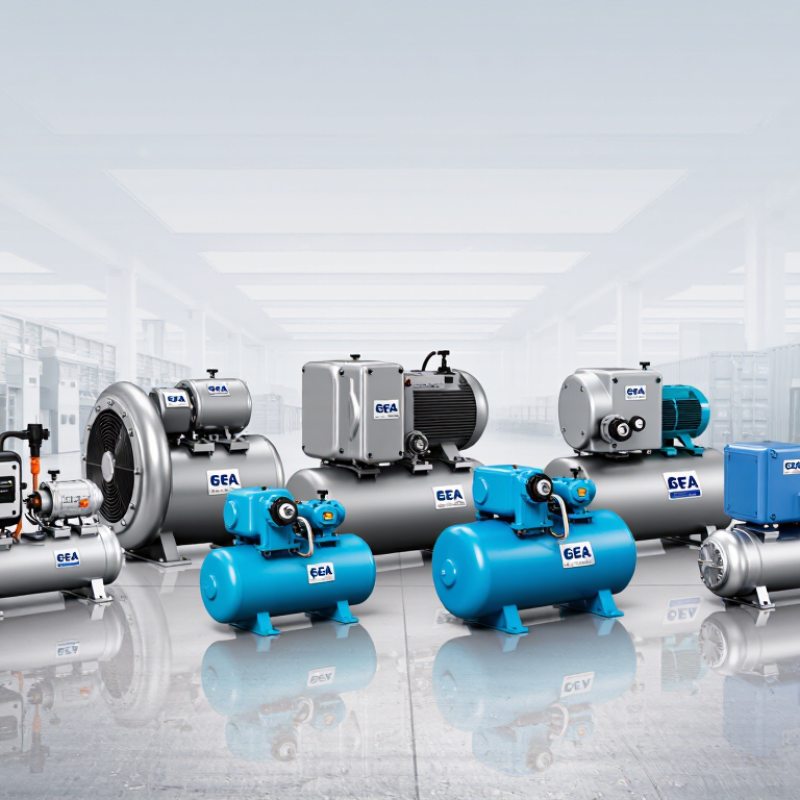
Industrial refrigeration buyers should classify reciprocating compressors by drive design, refrigerant, capacity, and service conditions. Semi-hermetic models suit supermarkets, cold rooms, and food-processing lines. Open-drive versions fit large industrial systems where motor replacement must remain simple.
Refrigerant choice matters. Carbon dioxide supports low-global-warming designs, while ammonia serves efficient, high-capacity plants. The wrong match can increase oil return problems and discharge temperatures.
The International Energy Agency’s The Future of Cooling report projects global cooling demand could triple by 2050. That forecast makes efficiency more than a purchasing preference. It becomes operating discipline.
Buyers should compare seasonal efficiency, part-load performance, vibration levels, and maintenance access.
For example, a compressor near a loading dock may face dust, heat, and frequent door openings. A laboratory system needs steadier control and tighter temperature stability.
UNEP’s 2020 Cooling Emissions and Policy Synthesis Report warns that cooling emissions could more than double by 2050 without stronger efficiency measures. This supports evaluating variable-speed operation, heat recovery, and low-impact refrigerants.
Yet classification charts can oversimplify real sites. A nominal capacity rating may not reflect winter head pressure or contaminated condenser air.
I would verify selection data against local climate records, service skills, and measured load profiles. Small details matter. A neat brochure cannot replace commissioning evidence.

Global buyers often search for ten compressor types, but the best choice depends on refrigerant, temperature, capacity, and local service support. A practical ranking includes semi-hermetic reciprocating, compact reciprocating, single-stage, two-stage, tandem, parallel, medium-temperature, low-temperature, high-temperature, and carbon-dioxide transcritical designs.
Semi-hermetic models suit supermarkets, cold rooms, and industrial refrigeration. Compact units fit smaller cabinets where space matters. Single-stage compressors offer simple maintenance. Two-stage designs can improve performance in demanding low-temperature systems. Tandem and parallel arrangements provide flexible capacity control. Medium-temperature units support chilled storage and food displays. Low-temperature types handle frozen products. High-temperature models suit process cooling. Carbon-dioxide systems require careful pressure management.
The details matter.
Buyers should compare displacement, motor efficiency, oil compatibility, discharge temperature, noise, vibration, and starting current. Field experience shows that a correctly sized compressor often outperforms a larger, poorly matched unit. Installation quality matters too. Dirty condensers, unstable voltage, and incorrect superheat settings can shorten operating life.
A neat top-ten ranking is useful, but it is not absolute. Regional regulations and available refrigerants may change the decision. Some catalog categories overlap, which can confuse first-time purchasers. Ask for performance data at the actual evaporating and condensing temperatures. Confirm spare-part availability before approving the purchase. Reliable suppliers should provide test conditions, wiring information, service guidance, and documented efficiency figures. Test carefully.
For global buyers, ten useful semi-hermetic reciprocating configurations cover low-temperature, medium-temperature, and high-temperature duties. They include single-cylinder, two-cylinder, four-cylinder, six-cylinder, and eight-cylinder designs. Other categories include parallel-ready units, compact variable-speed models, CO2 R744 systems, ammonia R717 systems, and hydrocarbon-compatible models.
Key specifications matter more than cylinder count alone. Compare swept volume, displacement rate, motor power, operating speed, suction temperature, discharge pressure, oil type, and allowable voltage. Low-temperature models often support freezing rooms near -30°C, while medium-temperature units commonly serve chilled storage near -10°C. CO2 systems can operate at much higher discharge pressures, requiring stronger valves, piping, and controls. R134a offers stable medium-temperature performance, but its global-warming impact remains significant. R448A and R449A can reduce impact, although glide complicates charging and control. R290 and R600a offer low climate impact, yet charge limits and safety design require careful review. R717 delivers strong efficiency in larger plants but demands trained handling.
The IEA’s The Future of Cooling report projects cooling energy demand could more than triple by 2050. UNEP’s 2022 technical assessment also emphasizes lower-GWP refrigerant transitions. A higher nominal COP does not always mean lower operating cost. Poor oil return, short cycling, or oversized capacity can erase laboratory gains. I would recheck every selection against the latest performance map, because published data may assume ideal ambient conditions.
| Rank | Compressor Type | Typical Application | Common Refrigerant Options* | Typical Displacement Range | Indicative Cooling Capacity* | Typical Evaporating Range | Main Performance Difference |
|---|---|---|---|---|---|---|---|
| 1 | Two-Cylinder Semi-Hermetic Reciprocating | Small commercial refrigeration and compact cold rooms | R134a, R513A, R450A; selected low-GWP alternatives depending on design | Approx. 2–8 m³/h | Approx. 1–6 kW at medium-temperature conditions | −10°C to +10°C | Compact footprint, low initial cost, and good part-load efficiency for small systems. |
| 2 | Two-Cylinder Low-Temperature Reciprocating | Small freezers and low-temperature display cases | R404A, R507A, R448A, R449A; refrigerant approval is configuration-specific | Approx. 2–8 m³/h | Approx. 1–5 kW at low-temperature conditions | −35°C to −10°C | Designed for higher pressure ratios and lower suction temperatures than medium-temperature versions. |
| 3 | Four-Cylinder Medium-Temperature Reciprocating | Supermarkets, process cooling, and medium-size cold rooms | R134a, R513A, R450A, R407C, and selected HFO/HFC blends | Approx. 10–25 m³/h | Approx. 5–18 kW at medium-temperature conditions | −10°C to +10°C | Balanced capacity, efficiency, and serviceability for general commercial refrigeration. |
| 4 | Four-Cylinder Low-Temperature Reciprocating | Frozen-food storage, blast-freezing support, and freezer cases | R404A, R507A, R448A, R449A, and other approved low-temperature blends | Approx. 10–25 m³/h | Approx. 4–16 kW at low-temperature conditions | −35°C to −10°C | Higher compression ratio capability with stronger low-temperature operating performance. |
| 5 | Six-Cylinder Medium-Temperature Reciprocating | Large supermarkets, centralized refrigeration, and industrial cooling | R134a, R513A, R450A, R407C, and approved lower-GWP alternatives | Approx. 25–60 m³/h | Approx. 15–45 kW at medium-temperature conditions | −10°C to +10°C | Higher capacity with improved redundancy potential when used in parallel compressor systems. |
| 6 | Six-Cylinder Low-Temperature Reciprocating | Industrial freezers and large frozen-food distribution centers | R404A, R507A, R448A, R449A, and other approved low-temperature refrigerants | Approx. 25–60 m³/h | Approx. 12–40 kW at low-temperature conditions | −35°C to −10°C | Suitable for demanding low-temperature duty, with capacity flexibility in multi-compressor racks. |
| 7 | Eight-Cylinder Medium-Temperature Reciprocating | High-capacity commercial systems and industrial process cooling | R134a, R513A, R450A, R407C, and selected lower-GWP refrigerants | Approx. 60–120 m³/h | Approx. 35–90 kW at medium-temperature conditions | −10°C to +10°C | High refrigerating capacity and strong suitability for centralized systems with staged control. |
| 8 | Eight-Cylinder Low-Temperature Reciprocating | Large freezer plants and industrial low-temperature systems | R448A, R449A, R404A, R507A, and other approved low-temperature blends | Approx. 60–120 m³/h | Approx. 30–80 kW at low-temperature conditions | −35°C to −10°C | High-capacity low-temperature operation, usually requiring careful oil-return and discharge-temperature management. |
| 9 | Semi-Hermetic Carbon-Dioxide Reciprocating | Transcritical supermarket systems and heat-recovery refrigeration | R744 (carbon dioxide) | Approx. 10–80 m³/h, depending on cylinder count and design | System capacity varies widely with gas-cooler and evaporating conditions | Approx. −45°C to +5°C suction evaporation | Very high operating pressures, excellent volumetric capacity, and strong heat-recovery potential. |
| 10 | Parallel-Compressor Rack Configuration | Variable-load supermarkets, logistics centers, and industrial plants | R134a, R513A, R448A, R449A, R744, or other approved system refrigerants | Combined capacity depends on compressor quantity and size | From small commercial systems to several hundred kilowatts | Medium- or low-temperature suction groups | Excellent load matching, operational redundancy, and easier capacity staging than a single-compressor system. |
Selecting the right compressor type begins with the refrigeration system, not the catalog photo. Define the refrigerant, cooling load, suction temperature, condensing temperature, and operating hours. A small cold room may need a compact reciprocating design. A food distribution warehouse often requires a larger semi-hermetic unit with serviceable components.
Check the duty cycle carefully. Continuous operation demands stable oil return, suitable motor protection, and strong thermal control. Variable-speed applications need a compressor approved for frequent starts and changing loads. For ammonia or carbon dioxide systems, material compatibility and pressure ratings require documented engineering review. Never rely on pressure alone.
Installation details matter more than many buyers expect. Measure the available space, pipe length, vibration path, and electrical supply. A technically suitable compressor can still fail after poor oil management or incorrect suction-line sizing. Field technicians should verify superheat and discharge temperature during commissioning. Small errors become expensive quickly.
Noise limits may influence the choice. Residential projects often favor quieter, enclosed designs. Industrial plants may accept higher sound levels for easier maintenance access. Efficiency ratings help, but real performance changes with ambient temperature, defrost cycles, and part-load operation. Buyers sometimes select the largest model for safety. That choice can increase cycling, wear, and energy use. A better decision uses measured load data, seasonal conditions, and realistic maintenance skills. Even experienced teams should question incomplete specifications before approving the purchase.
Selecting among ten compressor types requires more than comparing cooling capacity. Installation conditions shape the decision. A semi-hermetic reciprocating unit may suit cold rooms, while a screw compressor fits larger industrial loads. Confirm refrigerant compatibility, oil type, voltage, pipe size, and control signals before ordering. Small mismatches create large delays.
Mount the compressor on a rigid, level base with vibration isolators. Leave enough clearance for service tools and airflow. Suction lines should be short, insulated, and properly supported. Liquid migration can damage internal parts, especially during long shutdowns. A crankcase heater may help, but it cannot replace correct system design. Field conditions are rarely perfect.
Maintenance planning should include oil checks, leak testing, filter replacement, and terminal inspection. Record discharge temperature, suction pressure, current draw, and vibration during normal operation. These readings establish a useful baseline. Compatibility also includes spare parts availability in the buyer’s region. A low purchase price can become expensive when seals or valves require weeks to arrive. Global buyers should verify packaging strength, export documents, local technical support, and warranty procedures. Do not trust a catalog number alone. Review the application with a qualified engineer. Even experienced teams sometimes overlook ambient temperature or unstable power, and that mistake deserves a second check.