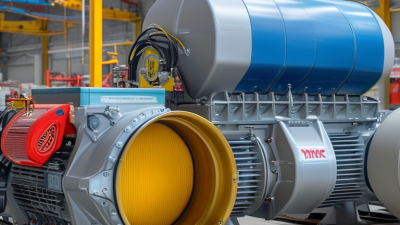
China Top Carlyle Compressor Supplier for Global Buyers
Choosing a China Top Carlyle Compressor Supplier requires more than comparing prices on a product page. Global buyers need dependable equipment, clear specifications, and responsive technical support. A suitable supplier should understand Carlyle Compressor models, refrigeration applications, voltage requirements, and installation conditions. Experience matters when a compressor must operate inside a cold storage room, supermarket system, or industrial chiller. Small details matter.
This guide explores how qualified Chinese suppliers serve international customers with practical sourcing support. It considers product authenticity, model matching, factory capability, quality inspection, packaging, and export communication. Buyers should request nameplate photographs, performance data, warranty terms, and test records before placing an order. A serious supplier should explain oil compatibility, operating limits, replacement parts, and delivery risks without hiding uncertainty. Not every low-cost offer is efficient. Some specifications may need confirmation. That is where careful engineering review becomes valuable. Reliable cooperation develops through documented checks, honest answers, and consistent after-sales service. The best supplier is not simply the cheapest one. It is the partner that helps the Carlyle Compressor perform safely, efficiently, and predictably across different markets.
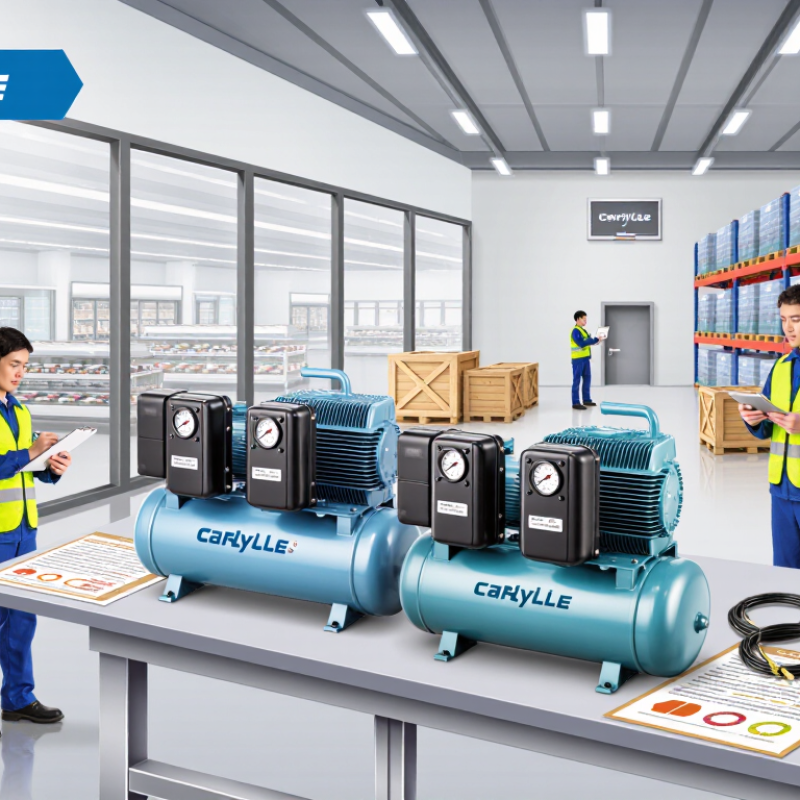
Carlyle Compressors: Product Types, Technologies, and Core Applications
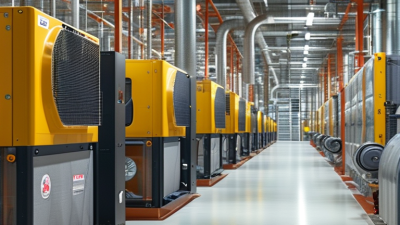
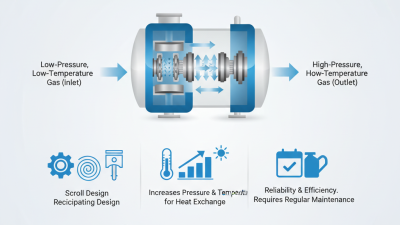
Commercial refrigeration compressors are commonly built in reciprocating, scroll, and screw configurations. Reciprocating models suit cold rooms and medium-capacity systems. Scroll designs offer compact operation and fewer moving parts. Screw compressors support larger industrial loads, including food processing and district cooling.
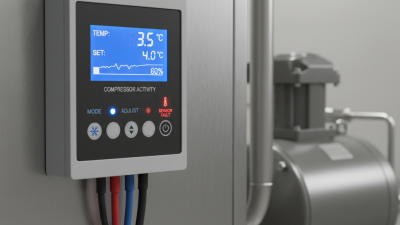
Modern units increasingly use variable-speed drives, electronic capacity control, and improved oil-separation systems. These technologies reduce cycling losses and help maintain stable suction pressure. The International Energy Agency reports that space-cooling demand could more than triple by 2050 without stronger efficiency measures. That trend makes compressor selection a cost and reliability decision, not only a catalog choice.
Core applications include supermarkets, refrigerated warehouses, transport cooling, process plants, and comfort-air systems. Field engineers should compare refrigerant compatibility, operating temperature, sound levels, service access, and seasonal efficiency. The U.S. Department of Energy identifies compressor efficiency as a major factor in refrigeration-system energy use. Small details matter, too. A poorly matched motor can increase heat and maintenance frequency. Actual results still depend on piping, controls, ambient temperature, and installation quality. This is where many specifications become imperfect. Performance tables rarely reflect every dusty condenser, unstable voltage, or rushed commissioning job. Global buyers should request test conditions, efficiency data, spare-parts support, and documented quality procedures before approving a supplier.
Why Global Buyers Source Carlyle Compressors from China
Global buyers source these compressors from China because the country combines broad manufacturing capacity with practical export experience. Machining, casting, motor production, testing, and packaging can often be coordinated within one supply network. This reduces communication gaps and supports tailored voltage, refrigerant, and mounting requirements. The International Energy Agency reported that space-cooling electricity demand could more than triple by 2050 without efficiency improvements. Reliable compressor sourcing is therefore becoming a serious operating decision.
Cost matters, but it is not the whole story. Experienced Chinese suppliers usually provide factory inspection records, performance curves, oil specifications, and batch traceability. Buyers can also request vibration testing, leak checks, and trial orders before larger shipments. The UNEP-led Global Cooling Watch 2023 report identified cooling efficiency as a major path toward reducing future energy demand and emissions. Better component selection supports that objective. The evidence is practical.
There is a catch. Not every factory offers the same engineering depth or quality discipline. I would not choose solely by quotation price. A careful buyer should compare capacity at real operating conditions, warranty response, spare-part access, and documentation quality. Factory audits and independent pre-shipment inspections add time, yet they expose weaknesses early. China remains attractive because it can support scalable production, but supplier verification still requires experience, technical questions, and some healthy skepticism.
Why Global Buyers Source Carlyle Compressors from China
China’s large manufacturing base supports extensive component supply chains, production capacity, and export connectivity for industrial refrigeration equipment. This scale can help international buyers compare suppliers, consolidate sourcing, and obtain customized compressor solutions. The chart shows each economy’s approximate share of global manufacturing value added in 2022, based on UNIDO industrial statistics.
Source: United Nations Industrial Development Organization, World Manufacturing Production data, 2022.
How to Evaluate a China-Based Carlyle Compressor Supplier
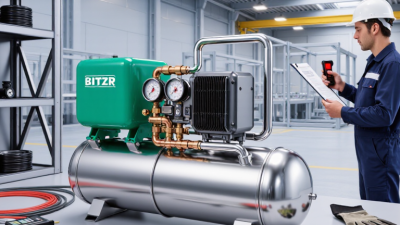
Selecting a China-based compressor supplier requires more than comparing online prices. Start by checking the supplier’s technical experience with semi-hermetic reciprocating compressors. Ask for factory photographs, production records, and recent export references. A serious supplier should explain model selection, cooling capacity, voltage options, and oil requirements clearly.
Request test evidence for every batch.
Useful documents include performance curves, insulation tests, pressure test records, and serial-number traceability. Confirm whether components come from stable, documented sources. Examine the workshop, too. Clean assembly areas, calibrated instruments, and protected storage often reveal more than polished brochures. Ask about quality control at each stage.
Do not ignore communication. A reliable supplier answers technical questions directly and provides drawings before production. Check warranty terms, spare-part availability, packaging strength, and response times after delivery. For international projects, verify export documents and product compliance with the destination market. A video call can help, but it cannot replace an independent inspection.
That matters.
Some buyers focus too heavily on unit price. I have seen low quotations become expensive after delays, mismatched parts, or unclear warranty limits. My own evaluations are not perfect; supplier websites can look convincing, while factory capacity changes over time. Recheck critical evidence before payment. Clear specifications, staged inspections, and written responsibilities reduce avoidable risk.
Ordering, Shipping, and After-Sales Support for International Buyers
International buyers should send complete compressor requirements before requesting a quotation. Include cooling capacity, voltage, frequency, refrigerant, operating temperature, oil type, and installation conditions. A reliable China-based supplier should confirm these details in writing. Ask for technical drawings, performance data, inspection standards, and a clear warranty period. Small omissions can cause expensive delays.
Order confirmation should show the exact model, quantity, accessories, packaging method, lead time, payment terms, and delivery responsibility. Factory teams often check wiring and dimensions before production. Buyers should still review every document carefully. No supplier gets every detail right. A signed pre-production checklist can prevent mismatched terminals or unsuitable mounting parts. Factory photographs and test records also improve purchasing confidence.
For shipping, export packaging should protect the compressor from moisture, vibration, and impact. Request crate dimensions, gross weight, shipping marks, and commercial documents before dispatch. Tracking information should be shared after loading, not days later. After-sales support matters when equipment reaches a remote site. The supplier should offer installation guidance, troubleshooting steps, spare-part identification, and video assistance. Keep serial numbers, test results, and operating records available. Response times may vary across time zones, so agree on a contact channel and service window. A practical warranty process should explain evidence requirements, replacement procedures, and freight responsibilities. Clear support is valuable.